Kurtas & Kurtis
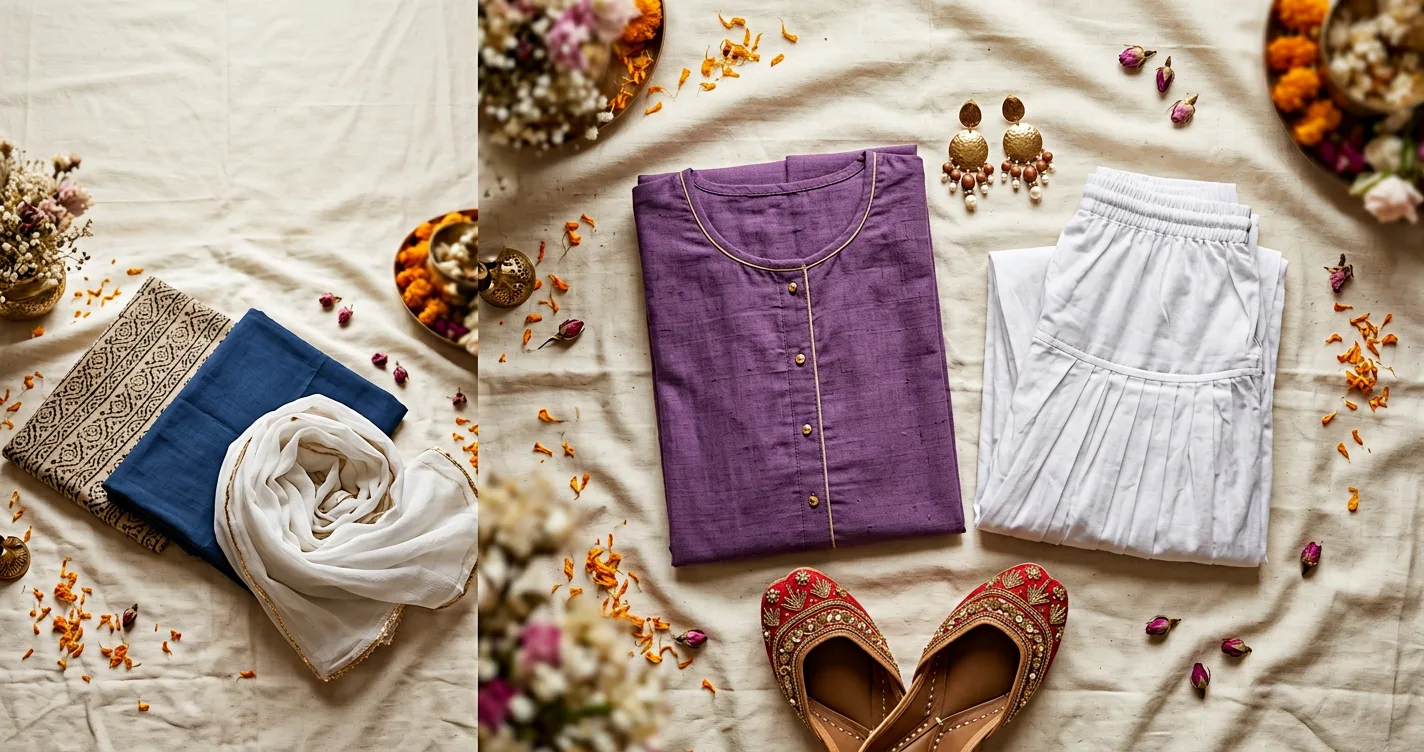
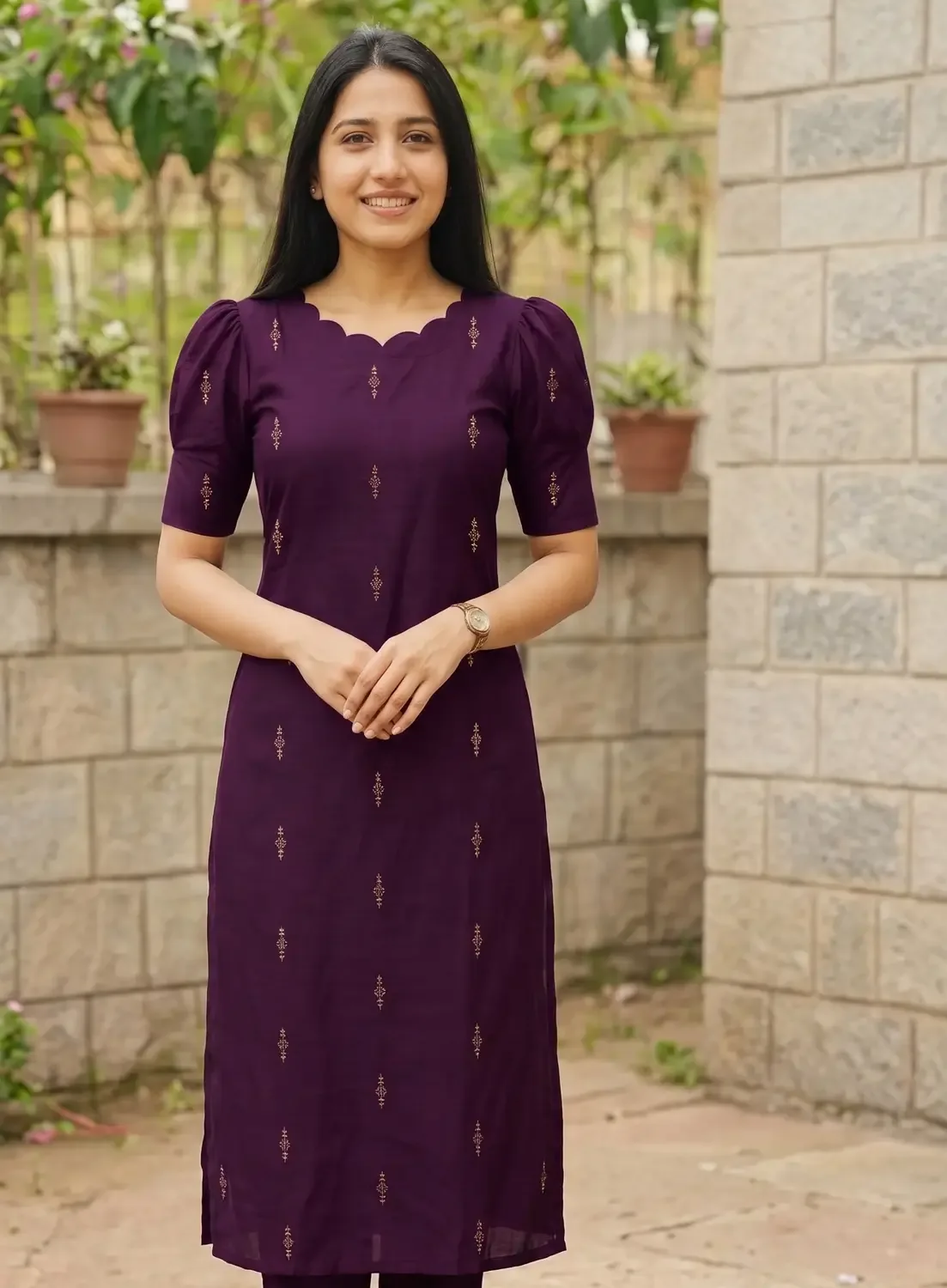
Rangmohini Women's Khadi Straight Kurta in Purple
Rangmohini
Deep plum khadi cotton with puff sleeves and small motifs: cheap enough to risk at a haldi.
Starting price
₹310
on Flipkart
Styling guide
Indo western dresses for wedding guests: 7 looks from haldi to reception, ₹1,228 to ₹3,333 complete, on kurta sets, sarees, a lehenga and juttis.
Styled by Akash Nishadraj · Updated 3 days ago · Published · Prices checked · 7 looks, 17 products
Indo western dresses for wedding functions solve a problem every Indian guest knows: five functions in three days, each with its own dress code, and one budget. The haldi wants something you can ruin. The sangeet wants something you can dance in. The reception wants something that holds up under stage lights and a hundred phone cameras.
These seven looks are for guests, not brides. Each one is built from real kurta sets, sarees, a lehenga and juttis sold on Flipkart and Amazon, and a complete look costs ₹1,228 to ₹3,333. The accessories repeat on purpose: one pair of blush juttis, one ivory potli and one plain watch carry three looks each. A ₹597 pair of juttis worn to three functions costs ₹199 a function, and nobody notices the repeat because the outfit around it changes.
For a guest, indo western means Indian garments worn with a modern edit. A straight kurta goes with a patiala or striped palazzos instead of a matching salwar. A saree gets a contrast dupatta worn like a cape. A printed lehenga goes with a plain watch and flat juttis instead of a full jewellery set. The garments stay familiar; the combinations are what make them current.
A ₹1,500 to ₹3,300 outfit is a strong guest outfit and a weak bridal one. The bride and her closest family wear heavy work, real zari and jewellery sets that cost far more. A guest's job is different: look festive, stay comfortable through a long function, and never compete with the bride. Every look here is planned for that job.
Day functions take brighter and lighter colours, because daylight flattens dark shades. Night functions take deeper ones, because warm bulbs and stage lights make pale colours look washed out. So the haldi and mehendi looks here sit in plum, beige and navy with bright accents, and the reception and close family looks move to maroon.
The sangeet is the night guests dance the most. A silhouette that moves with you, a flared kurta, a sharara or a lehenga, beats a fitted one. Flat juttis beat heels, because nobody dances well in pain at midnight.
Avoid bridal red with heavy gold unless the family has asked for it: that is the bride's colour. Avoid heavy embroidery with heavy jewellery, because the outfit then looks crowded rather than rich. Avoid stiff synthetics for any function with dancing. And avoid white at the main ceremony unless you know the family is comfortable with it, since some communities link white with mourning.
Indian weddings are a sequence of rooms, and each room has a code. Plan the outfit for the room, not the wedding as a whole.
A morning or afternoon at home or a lawn, with turmeric on everyone by noon. Wear cotton you can wash or lose. A ₹310 khadi kurta is the right level of risk.
Long hours sitting while the artist works, often outdoors. A breathable kurta with roomy palazzos and a dupatta you can push back from your hands.
Dancing, stage lights, a late night. A flared kurta set or a sharara, flat juttis, and a potli that holds a phone.
The longest function, often seated, sometimes in the heat. A lehenga or a kurta set with sleeves and a dupatta, and a plain watch so you know when the pheras will end.
The puja asks for coverage and a head cover. The reception asks for the dressiest look of the week: a silk-blend saree or a silk sharara set in a deep colour.
Top wedding guides rarely mention this, and every Indian guest has felt it: coverage expectations differ by family and community. A Punjabi family may expect a dupatta on the head during the pheras; a South Indian family may expect a saree for the muhurtham; a Marwari family may expect sleeves.
The safe default is simple. Choose sleeves for the ceremony and puja, and keep a dupatta within reach for every function. Six of the seven looks carry a dupatta, and the white embroidered one goes over a kurta or a saree in a second. Ask the host once, before you pack, and you never have to guess at the gate.
Look 1 of 7
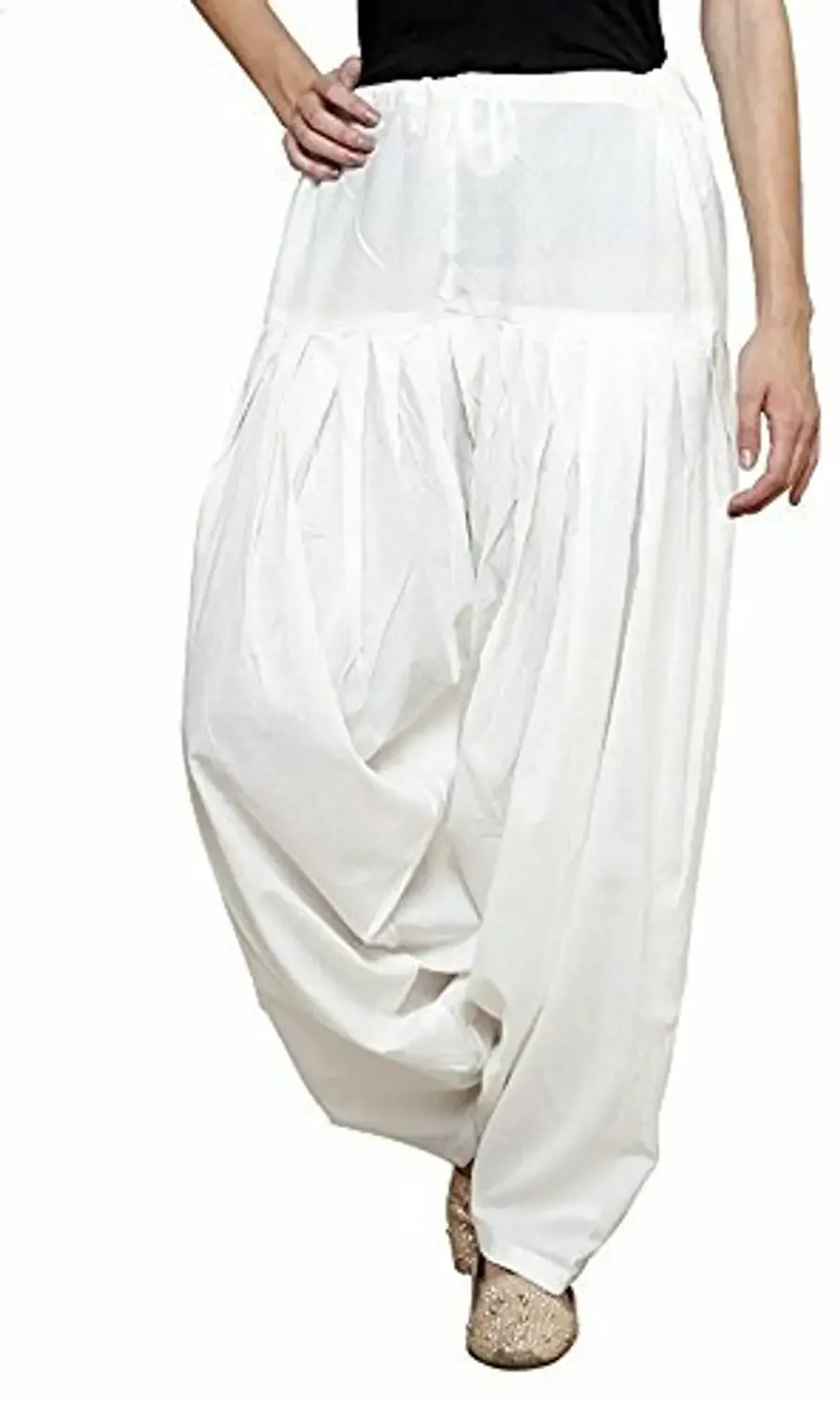
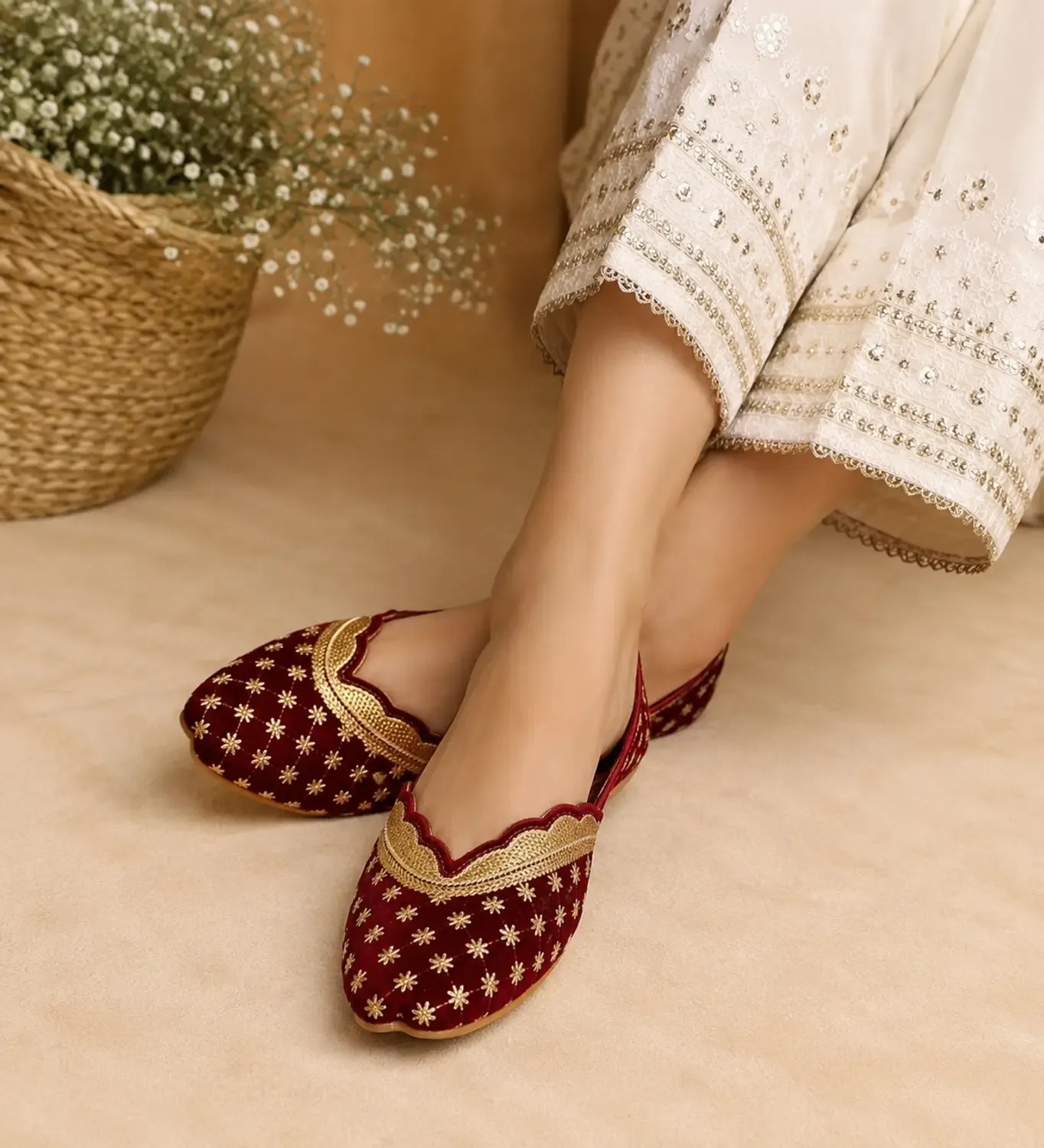
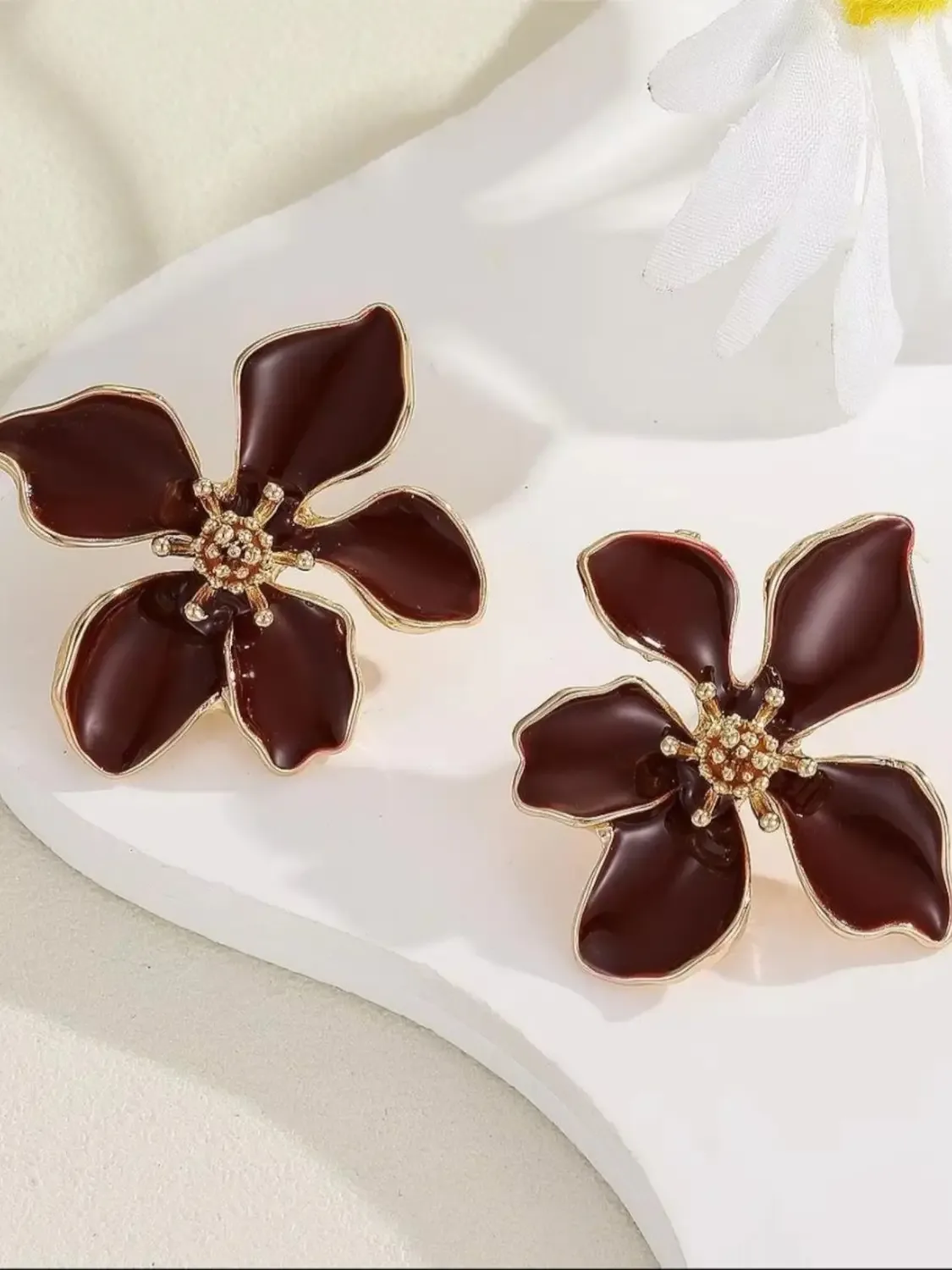
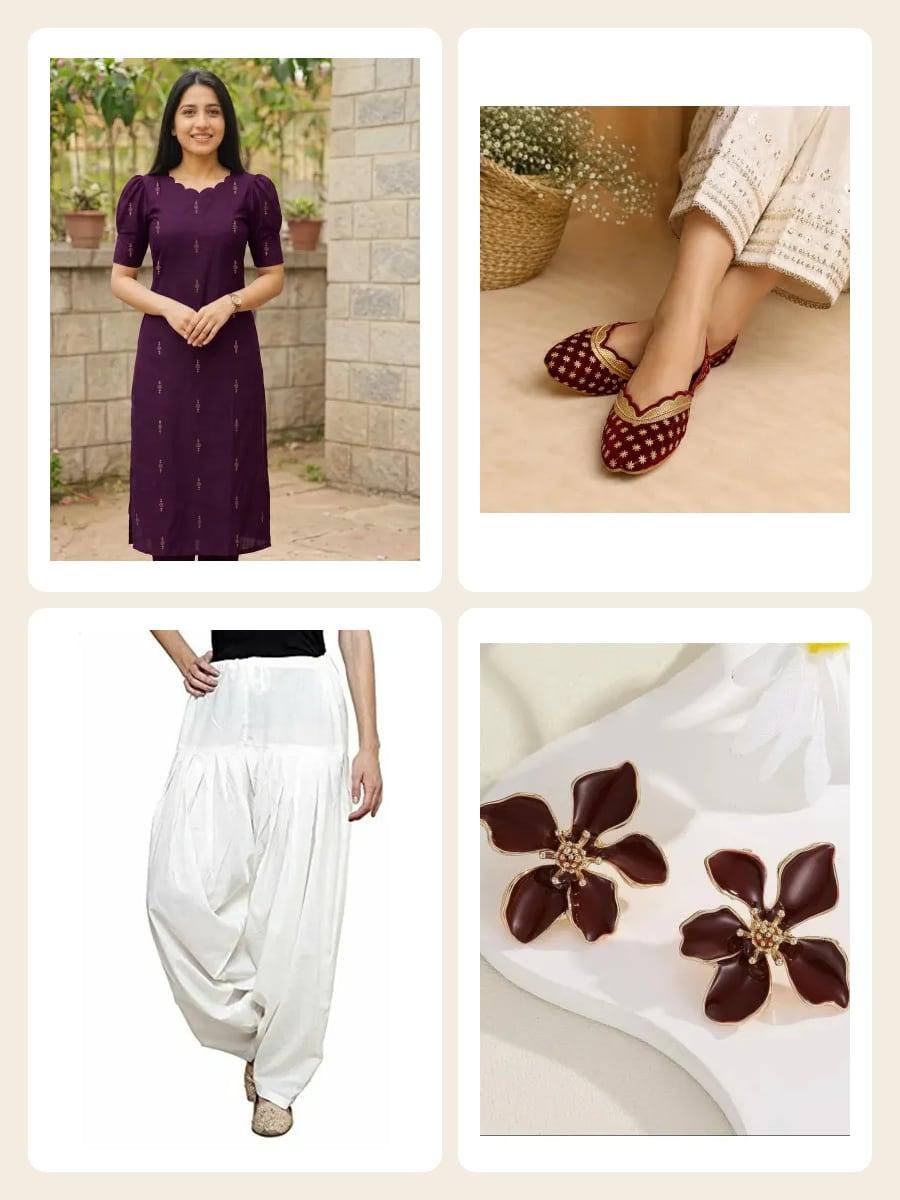
Among haldi outfits for women, this one is built to be splashed. The Rangmohini kurta is deep plum khadi with puff sleeves and a scalloped neck, and plum hides turmeric better than yellow. The white patiala gives the yellow crowd a bright base. Maroon and gold juttis and brown flower earrings add the festive note. What to keep in mind: The white patiala will take turmeric. Wash it the same day, and keep the velvet juttis off the wet floor.
Kurtas & Kurtis
Rangmohini
Deep plum khadi cotton with puff sleeves and small motifs: cheap enough to risk at a haldi.
Starting price
₹310
on Flipkart
Ethnic Bottoms
Ushagarments
White cotton patiala with deep pleats; machine washable as listed.
Starting price
₹251
on Flipkart
Juttis & Kolhapuris
Gamastitch
Maroon velvet with gold star embroidery: the festive piece.
Starting price
₹498
on Flipkart
Fashion Jewellery
Lady Raiment
Chocolate brown enamel flowers with gold edges.
Starting price
₹169
on Flipkart
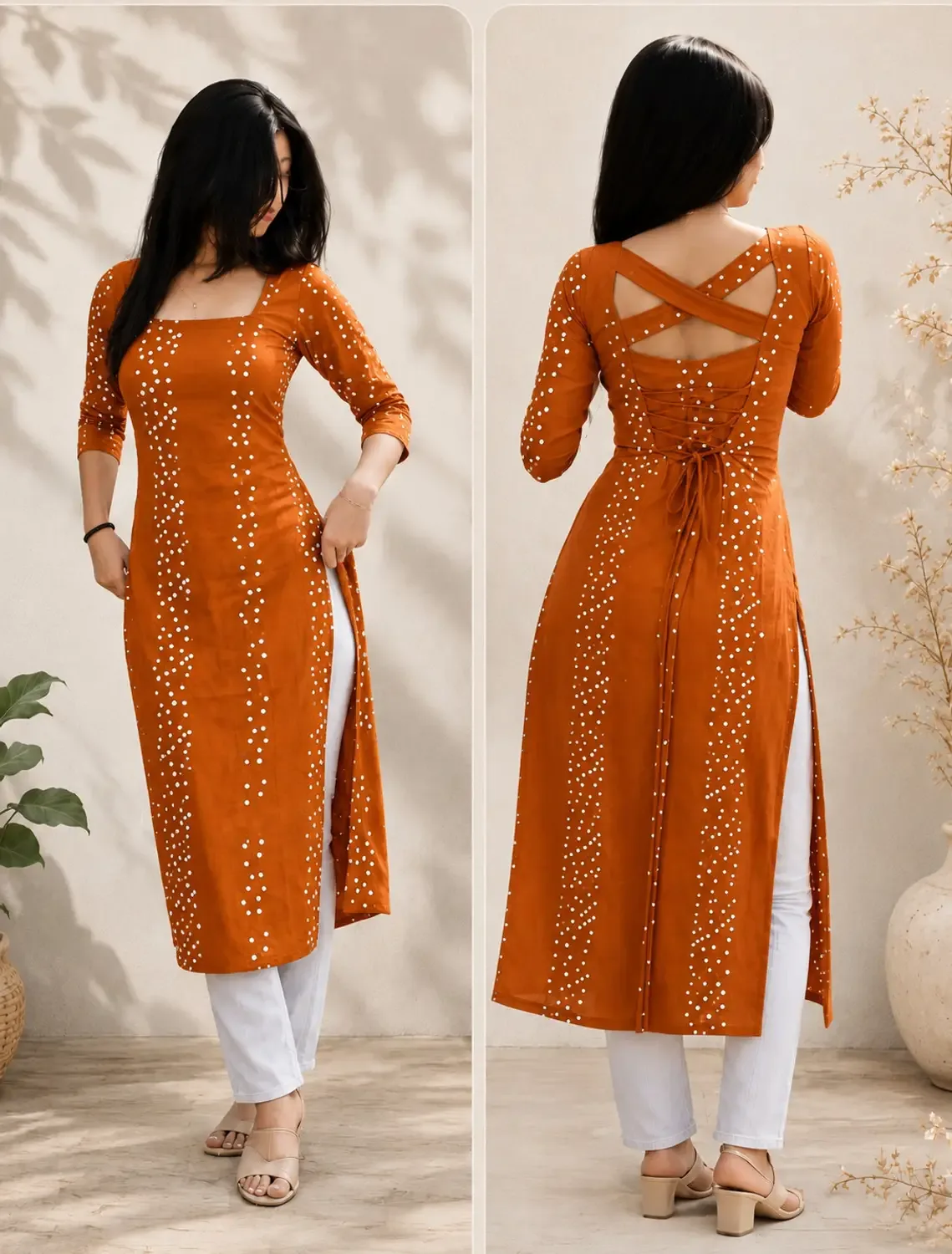
Kurtas & Kurtis
Zorasha Fashion
In place of the plum kurta: burnt orange joins the haldi palette, but it has an open back, so add a dupatta for elders.
Starting price
₹391
on Flipkart
Complete look = the 4 pieces' current prices added up, without the swaps. Each piece is sold separately by its own store, and prices can change.
Look 2 of 7
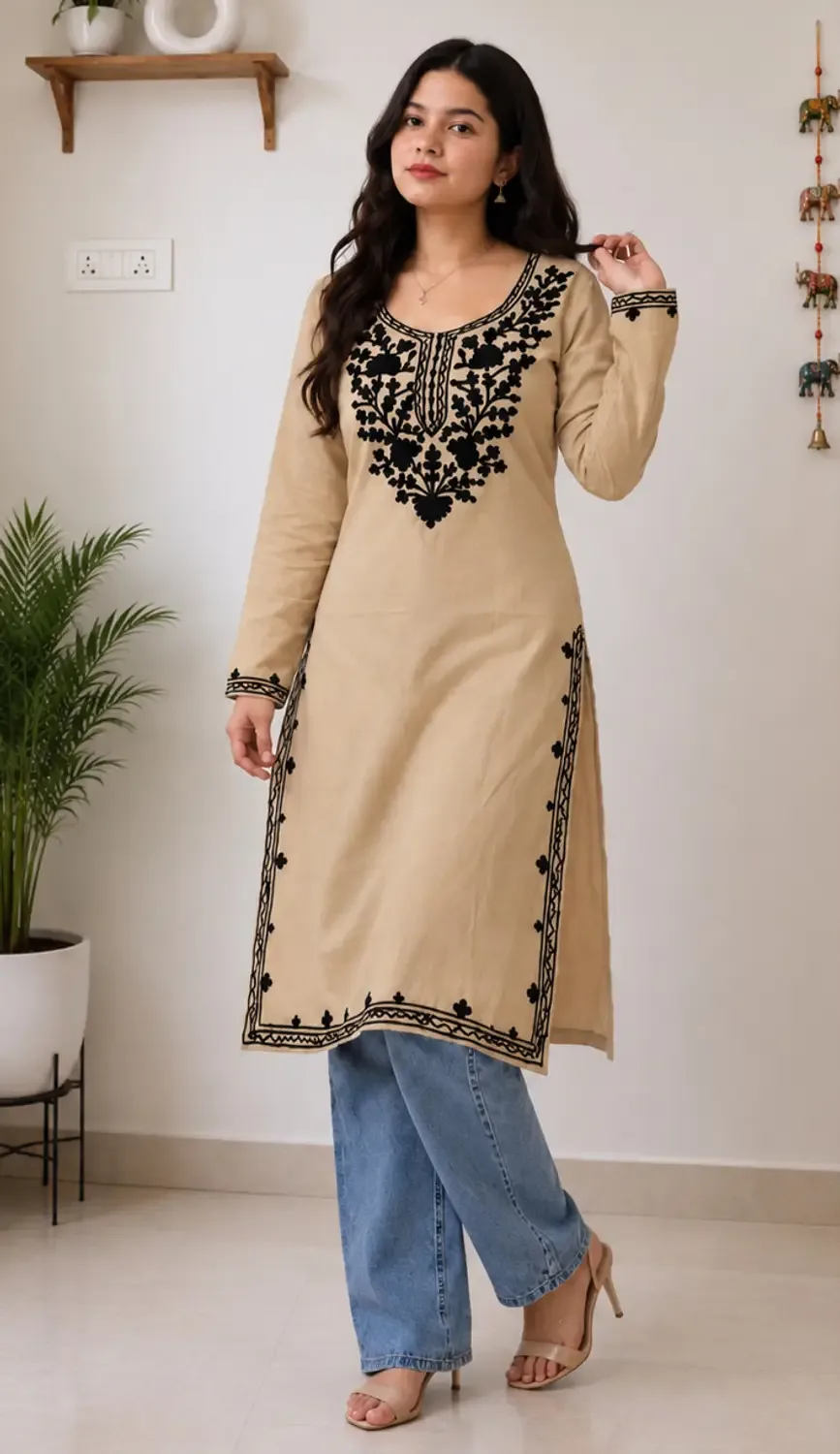
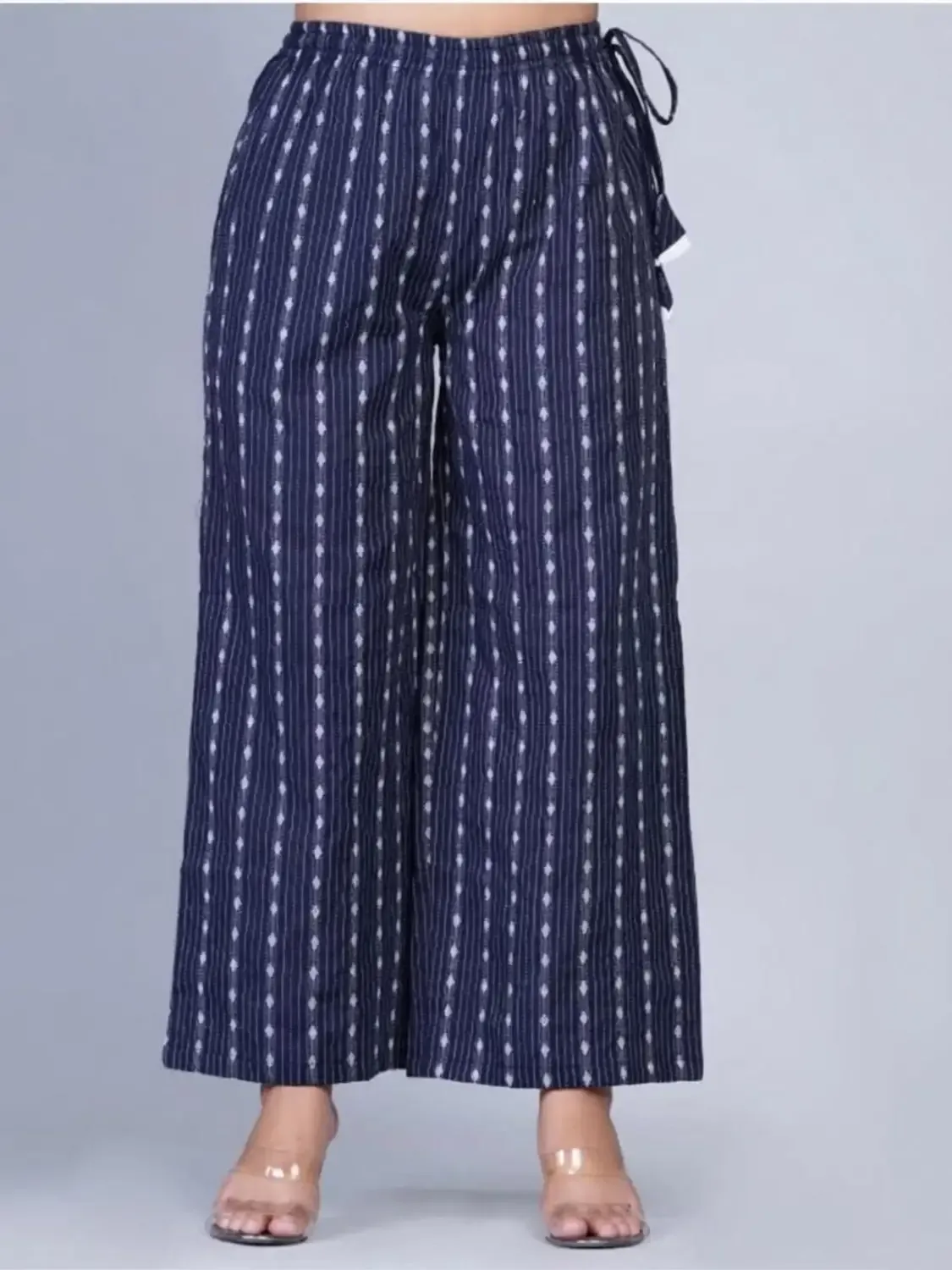
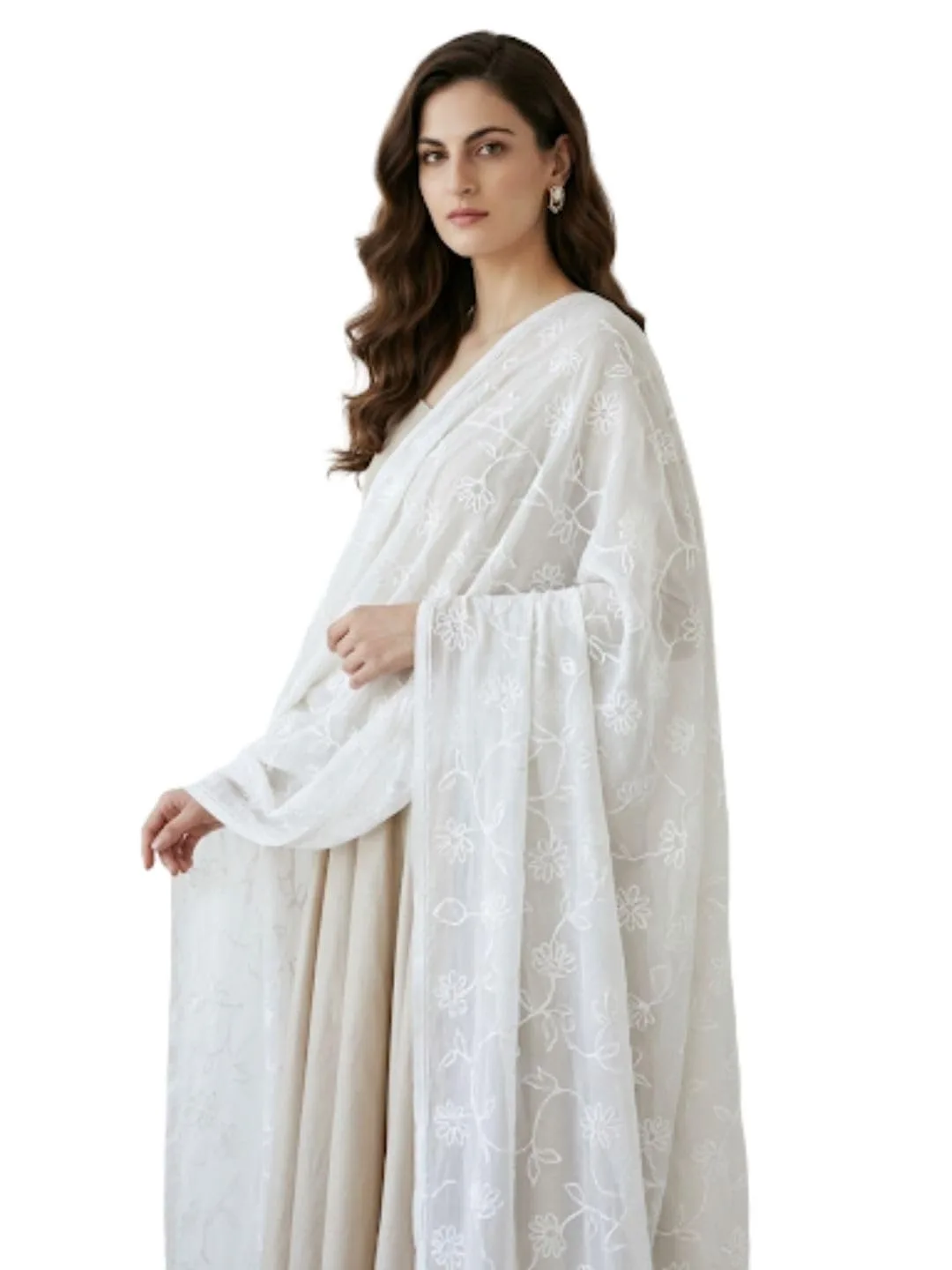
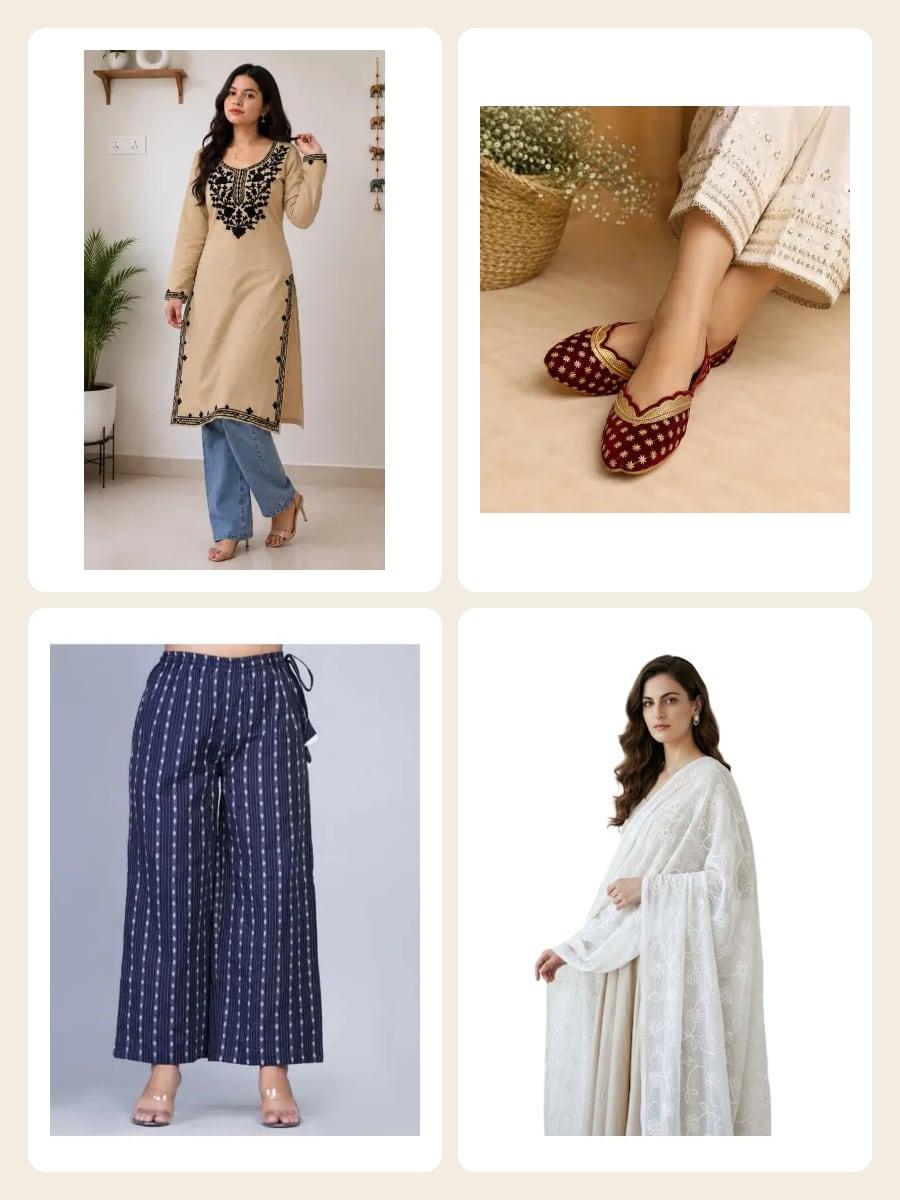
This mehendi outfit for women is built for the long sit while the artist works. The Ethniqu kurta is beige with black embroidery at the yoke and hem, and its full sleeves push up out of the way. Navy striped cotton palazzos let you sit cross-legged for hours. The white embroidered dupatta can be pushed back from your hands. What to keep in mind: Wet mehendi stains fabric. Keep the dupatta on one shoulder, away from your hands, until the henna dries.
Kurtas & Kurtis
Ethniqu
Beige cotton blend with black embroidery at the yoke, cuffs and hem.
Starting price
₹313
on Flipkart
Ethnic Bottoms
Loopup
Navy cotton with a fine white stripe and a tie waist; roomy for sitting.
Starting price
₹255
on Flipkart
Juttis & Kolhapuris
Gamastitch
Maroon and gold juttis, the same pair as the haldi look.
Starting price
₹498
on Flipkart
Scarves, Stoles & Dupattas
Dupatta Bazaar
White chiffon with white floral embroidery: the festive layer.
Starting price
₹349
on Amazon
Ethnic Bottoms
Ushagarments
In place of the palazzos: the white patiala from the haldi look makes the outfit lighter and more traditional.
Starting price
₹251
on Flipkart
Complete look = the 4 pieces' current prices added up, without the swaps. Each piece is sold separately by its own store, and prices can change.
Look 3 of 7
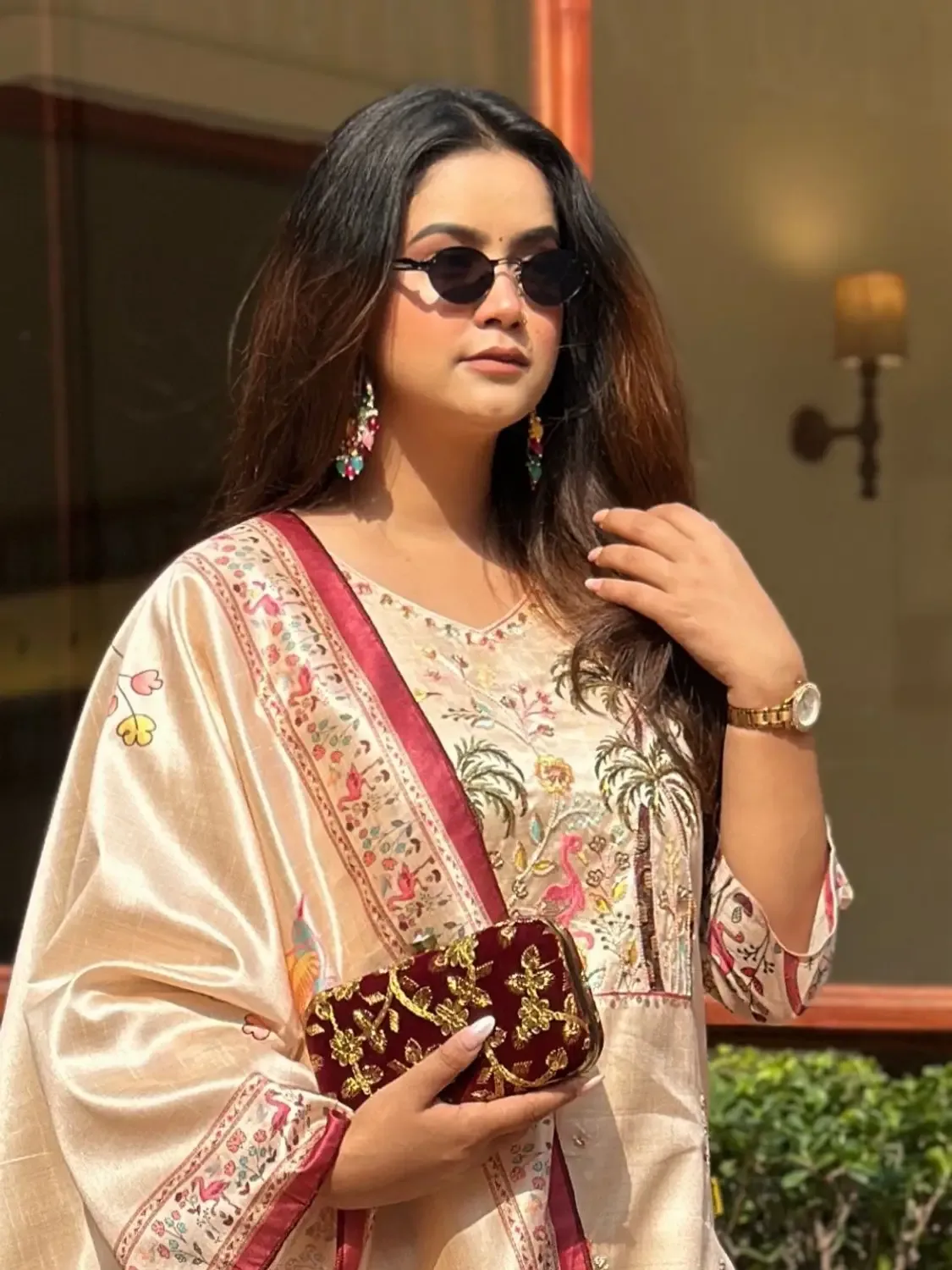
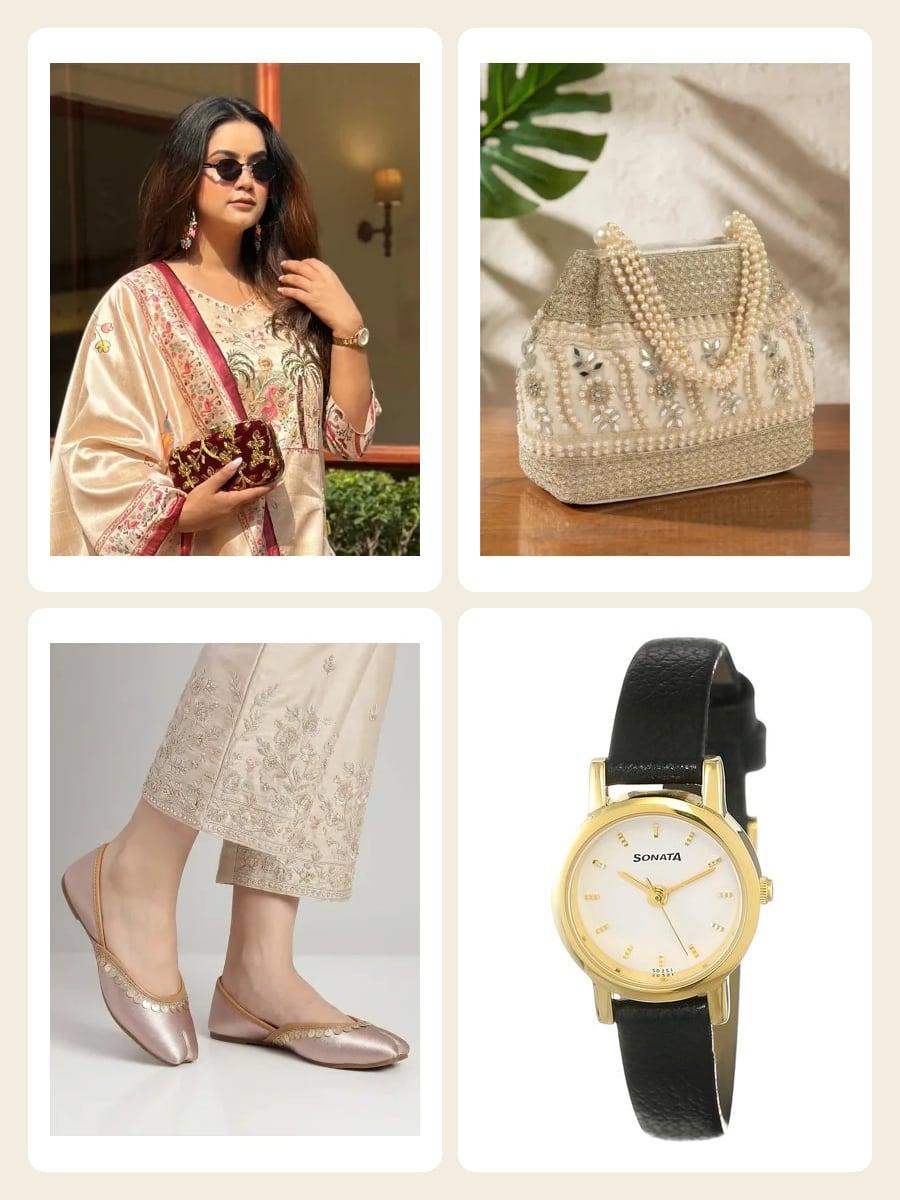
This sangeet outfit for women keeps the light pale and the shine small. The VredeVogel set is cream silk blend with a painted print of palms and figures, and a dupatta with a rose border. Blush juttis, an ivory pearl potli and a gold-tone watch all sit in the same pale family, so the outfit glows under stage lights instead of glittering. What to keep in mind: The straight set does not swing like a sharara. If the family plans a big dance, take the sharara swap.
Kurta Sets
VredeVogel
Cream silk blend with a painted print, pants and a rose-bordered dupatta: the hero.
Starting price
₹1,472
on Flipkart
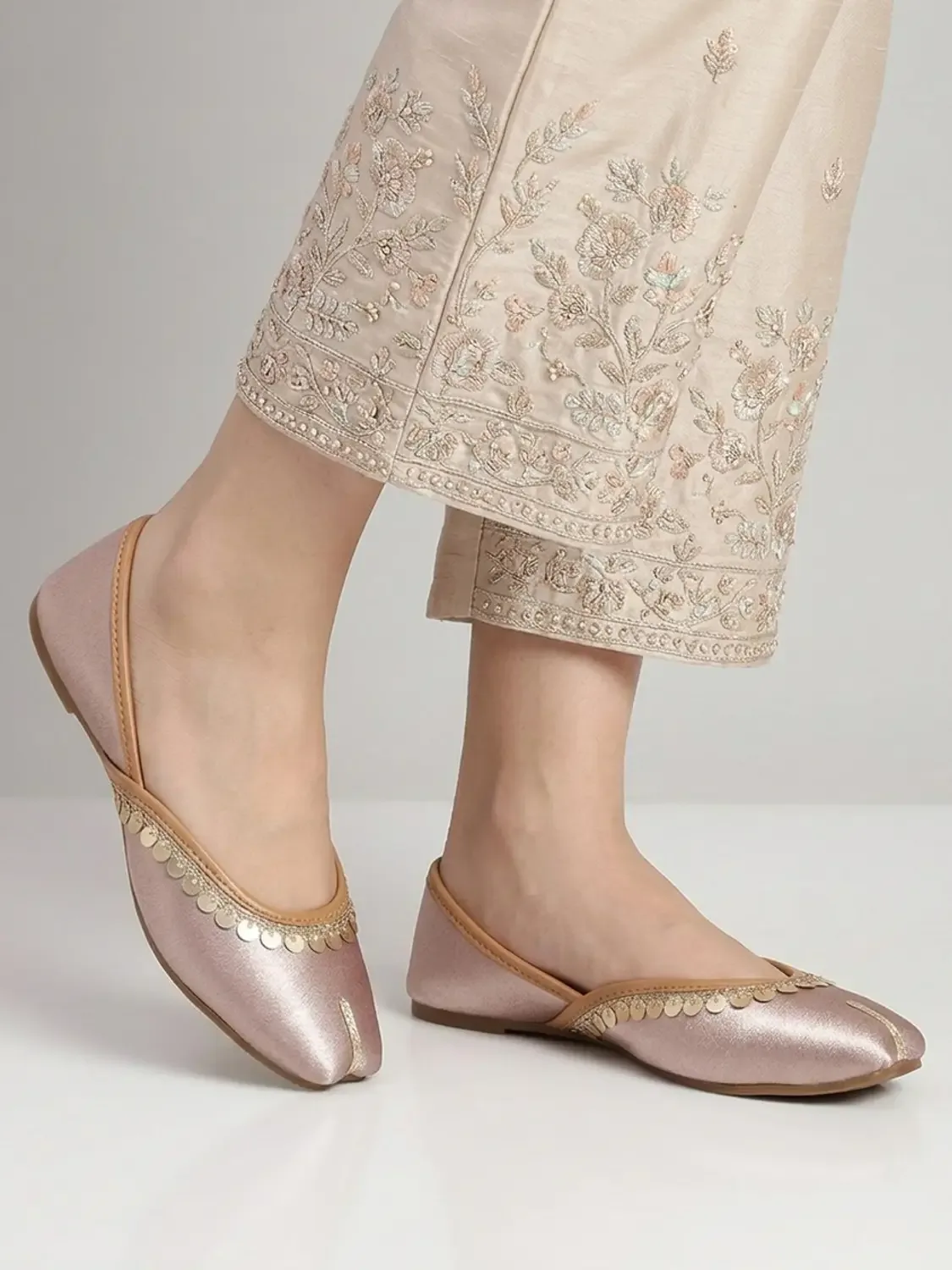
Juttis & Kolhapuris
Catbird
Blush rose-gold satin with a gold sequin trim; listed multicolour.
Starting price
₹597
on Flipkart
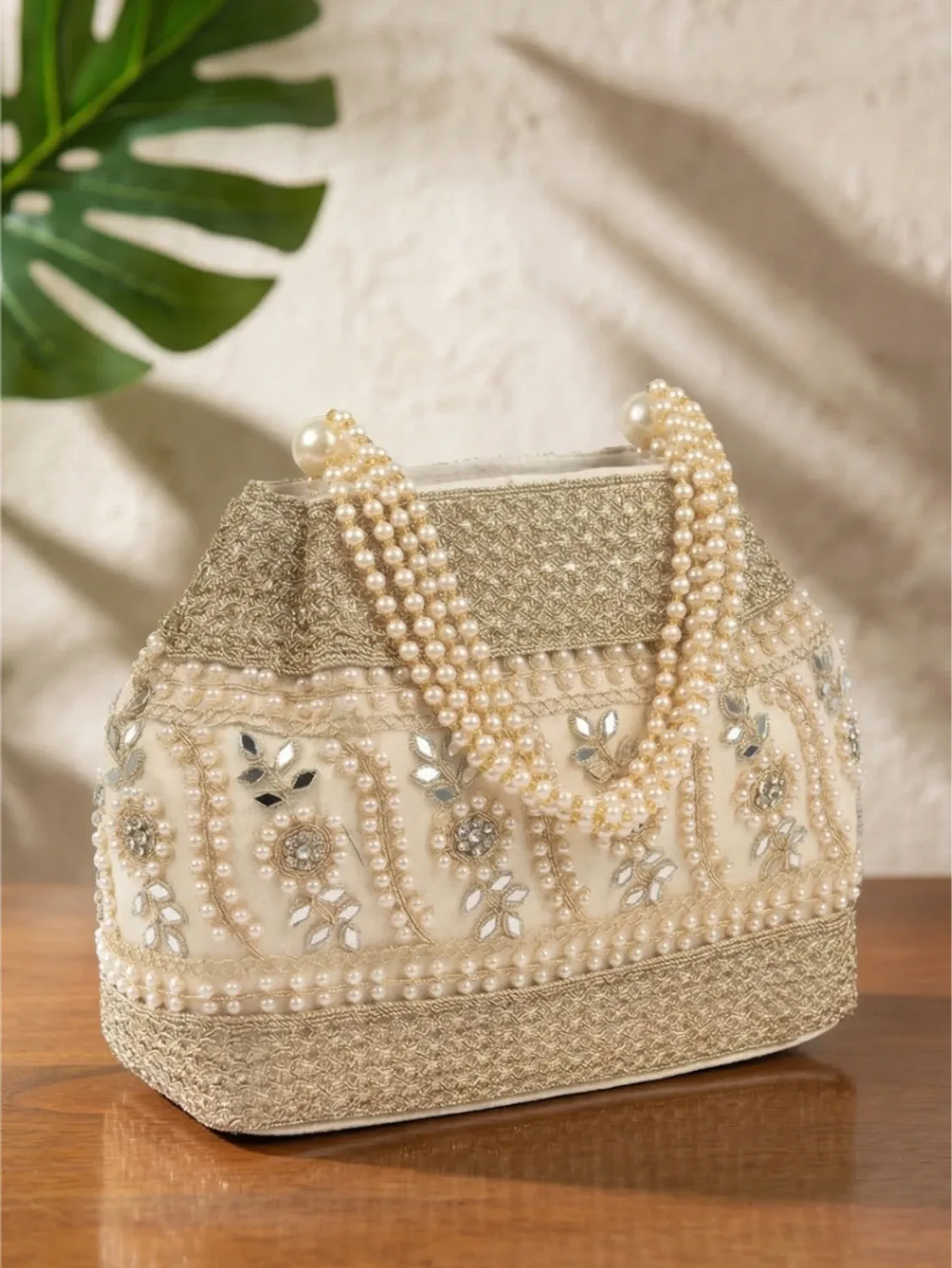
Bags & Backpacks
Demerra
Ivory with gold zari, pearl beading and a pearl handle; listed gold.
Starting price
₹489
on Flipkart
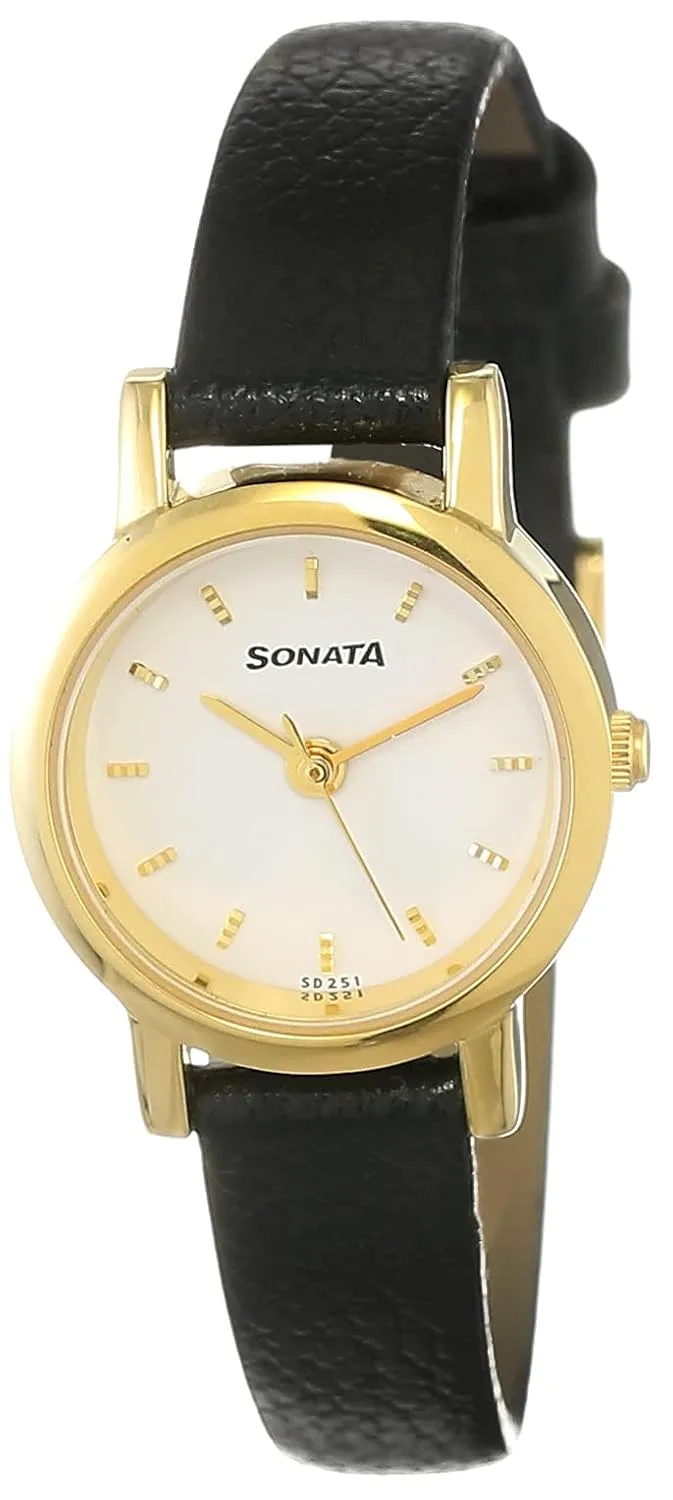
Watches
Sonata
White dial in a gold case on a black strap.
Starting price
₹625
on Amazon
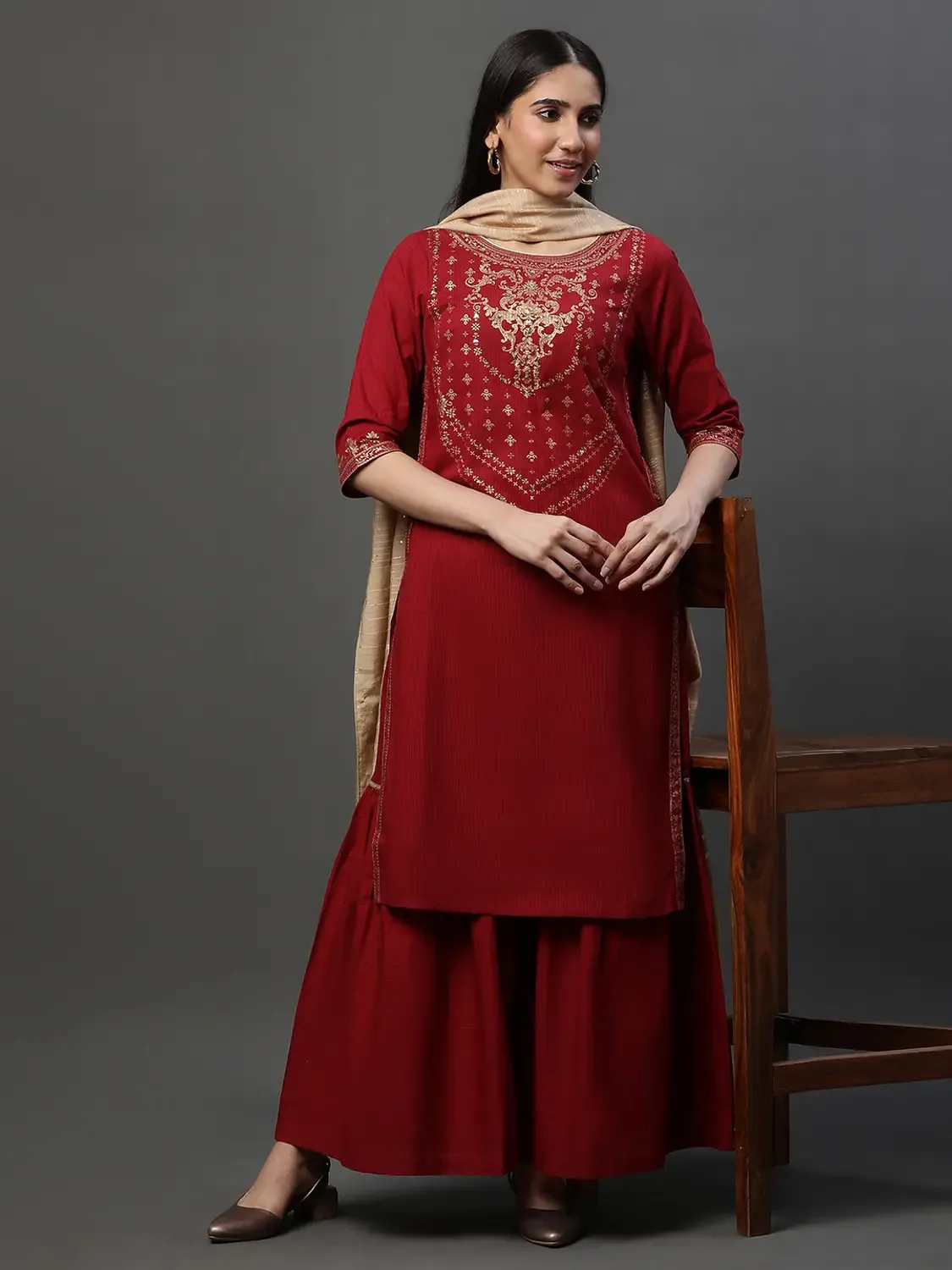
Kurta Sets
Aurelia
In place of the cream set: a red kurta with gold embroidery and a sharara that swings when you dance.
Starting price
₹1,780
on Flipkart
Complete look = the 4 pieces' current prices added up, without the swaps. Each piece is sold separately by its own store, and prices can change.
Look 4 of 7
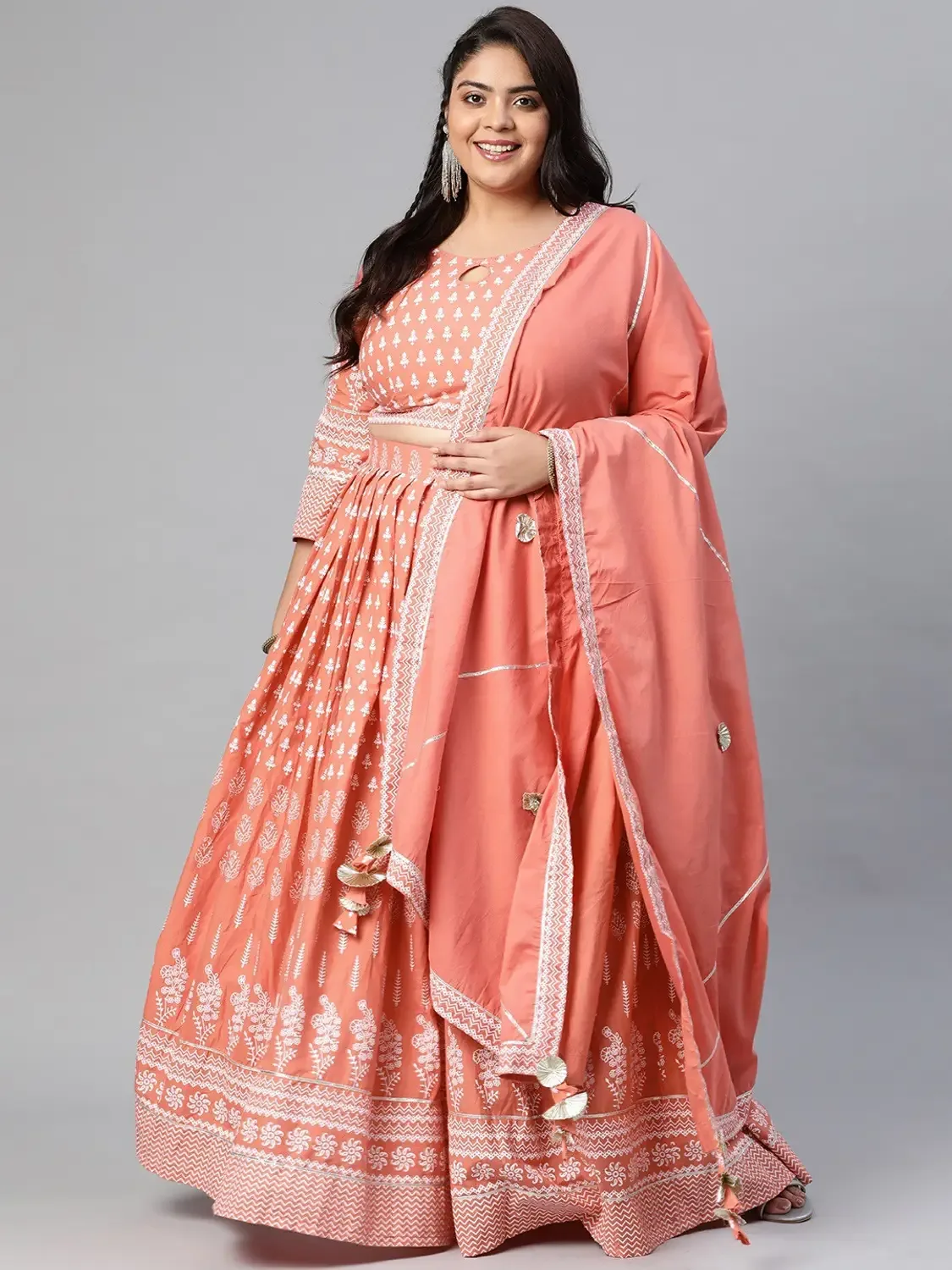
A peach coral lehenga choli looks festive at a ceremony without coming near the bride's red. The Divena lehenga is peach coral with an all-over white print and a matching dupatta, a printed style that breathes better than a heavy embroidered one. Tan juttis, a plain watch and brown flower earrings keep the rest warm and quiet. What to keep in mind: The listing says pink, but the photo shows peach coral. The fabric is not stated, so check it before a noon ceremony.
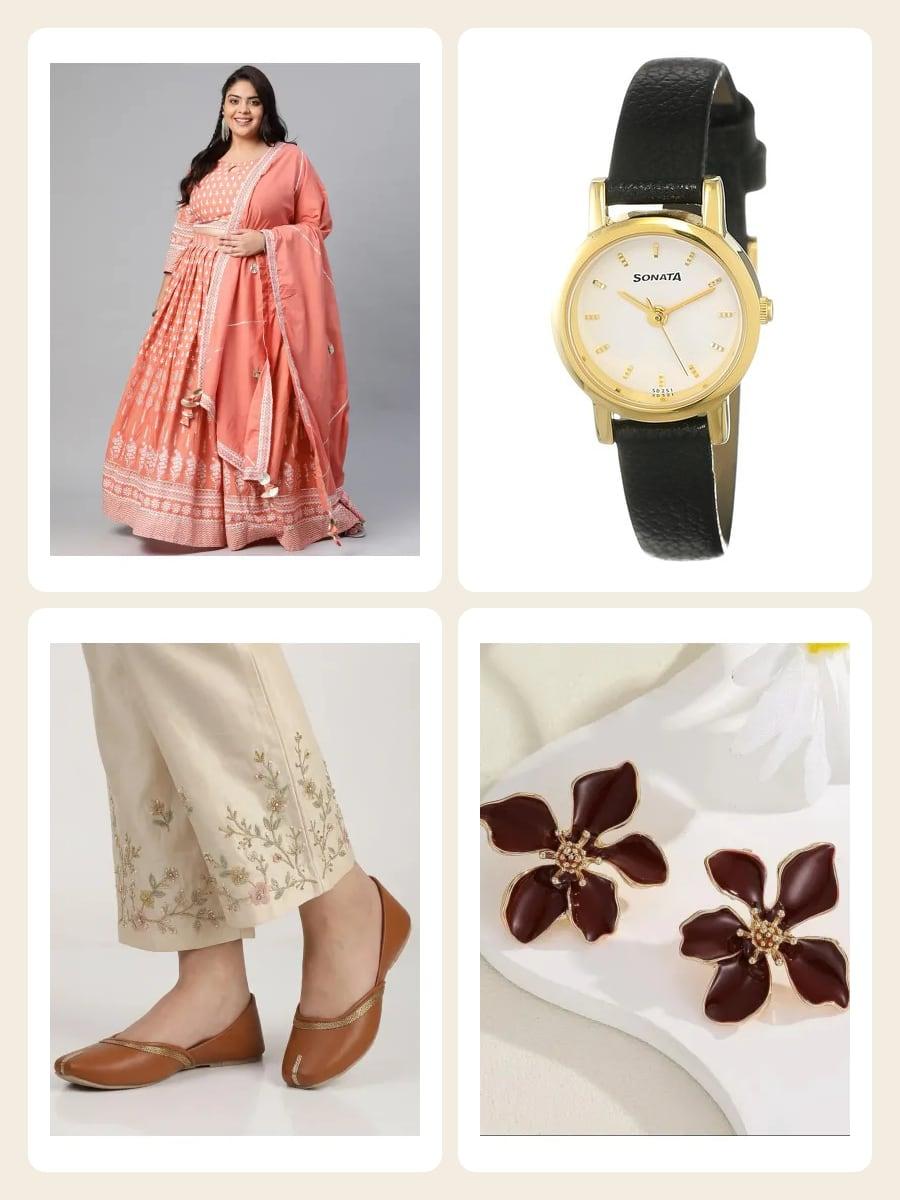
Lehengas
Divena
Peach coral printed lehenga, choli and dupatta; listed pink, reads peach coral.
Starting price
₹1,806
on Flipkart
Juttis & Kolhapuris
Catbird
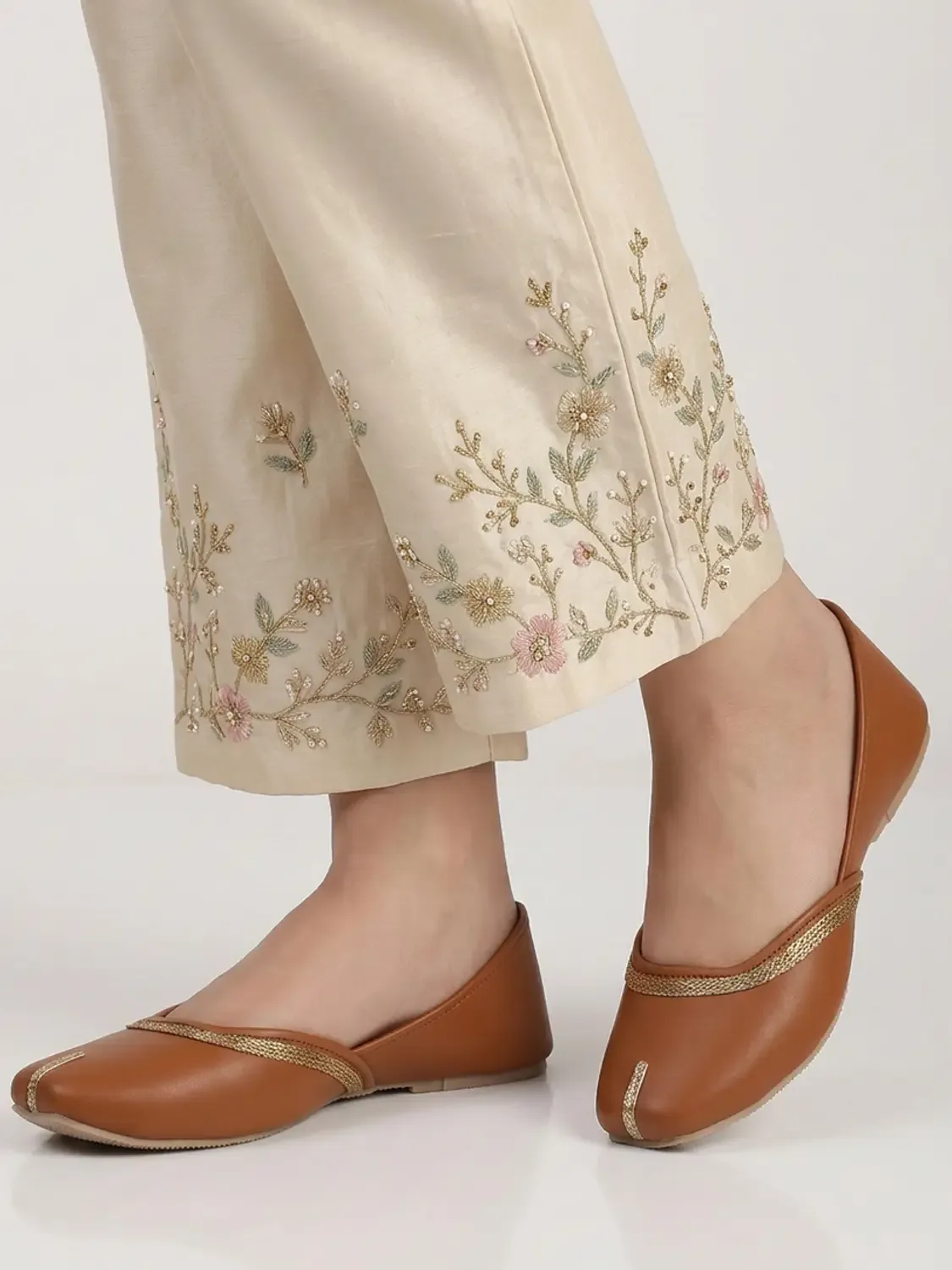
Tan juttis with a thin gold trim; warm and quiet under a lehenga.
Starting price
₹540
on Flipkart
Watches
Sonata
A plain gold-tone watch, so you know when the pheras will end.
Starting price
₹625
on Amazon
Fashion Jewellery
Lady Raiment
Chocolate brown flowers with gold edges that tie to the tan juttis.
Starting price
₹169
on Flipkart
Juttis & Kolhapuris
Catbird
In place of the tan juttis: blush sequin juttis repeat the coral in a paler tone and make the outfit more evening.
Starting price
₹597
on Flipkart
Complete look = the 4 pieces' current prices added up, without the swaps. Each piece is sold separately by its own store, and prices can change.
Look 5 of 7
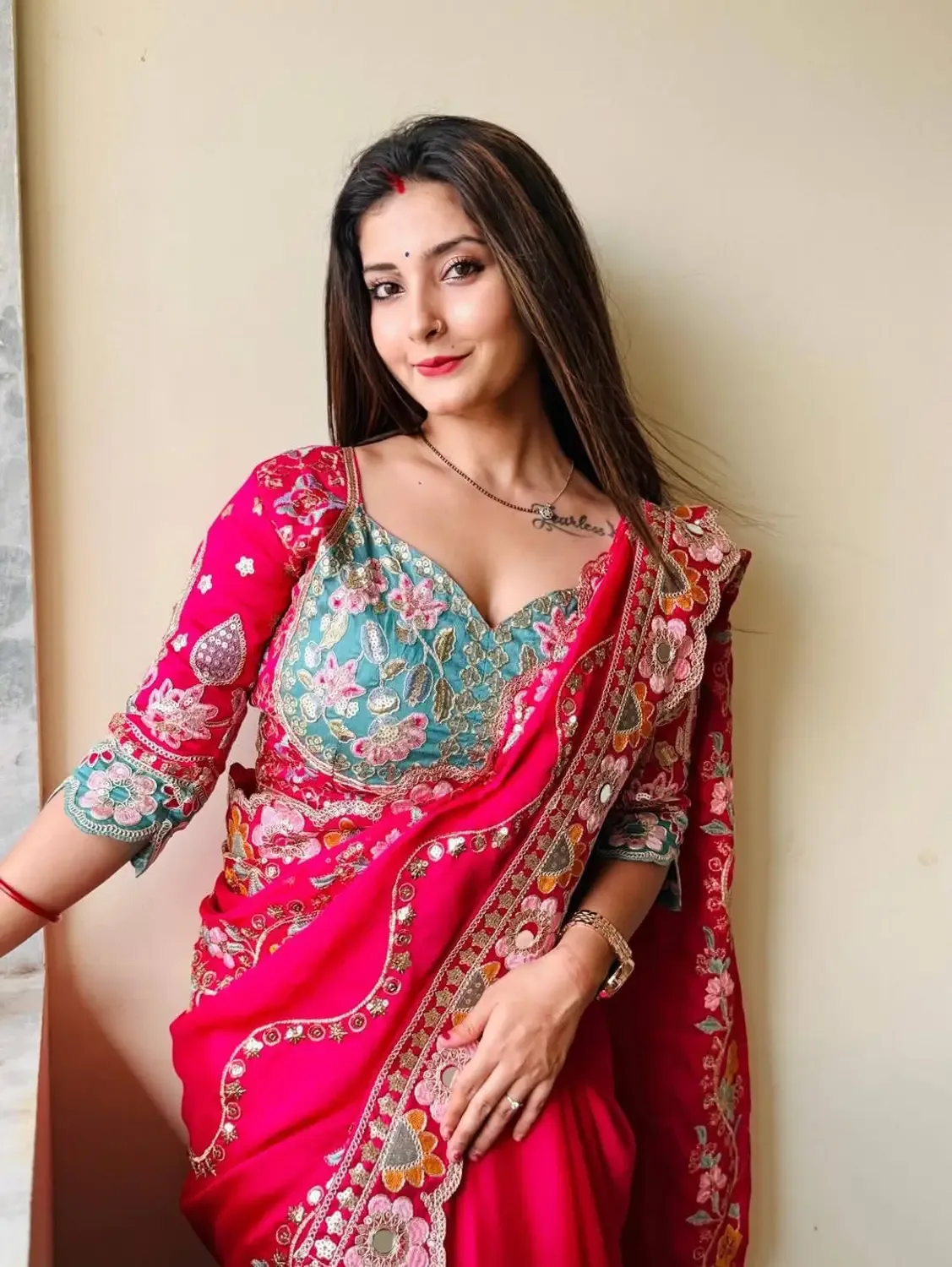
A pink saree with white juttis is a puja look that stays festive while you sit through the rituals. The Munir saree is rani pink silk blend with a multicolour embroidered border, shown with a teal embroidered blouse. White juttis with rust embroidery lighten the base. The white dupatta covers your head while the pallu stays pinned. What to keep in mind: The saree is dry clean only, which adds to its running cost. Keep the pallu and dupatta away from the diya flame.
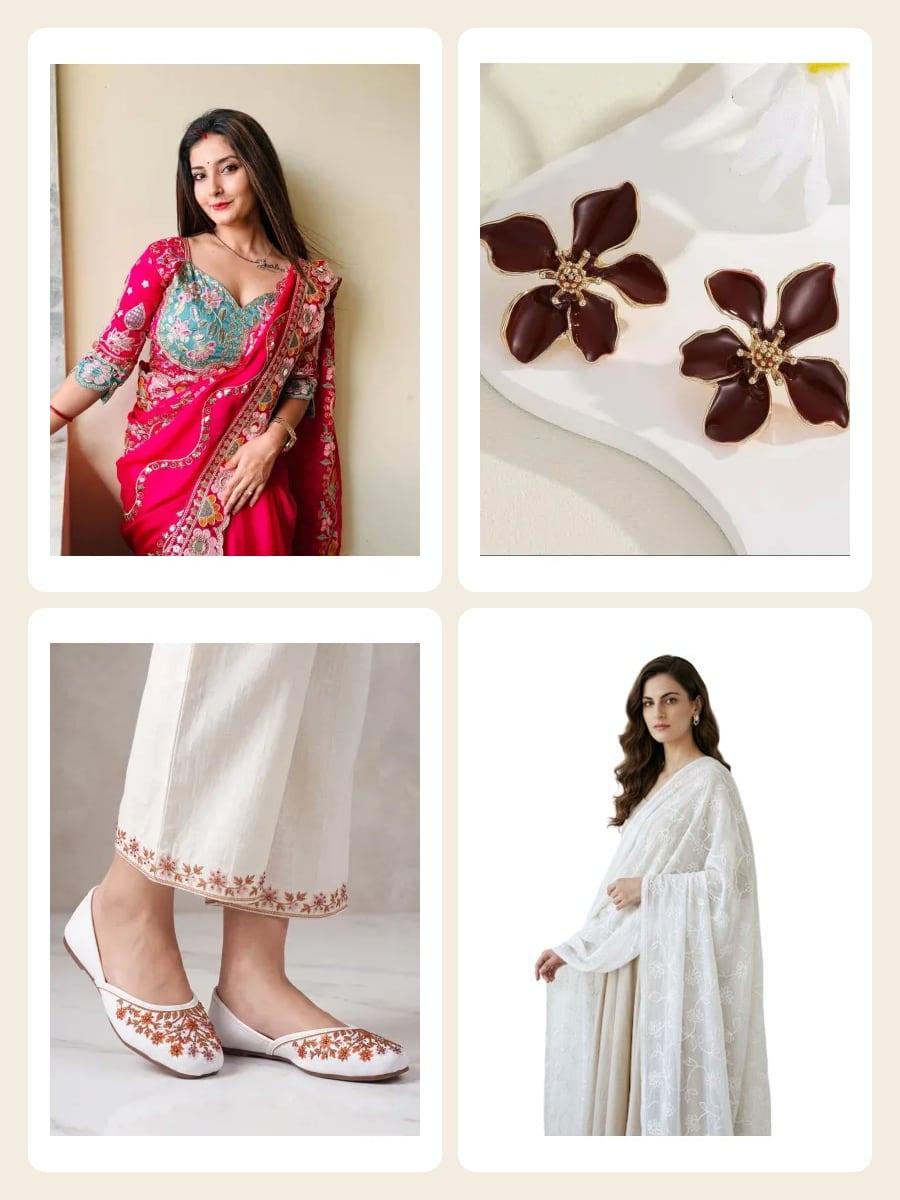
Sarees
Munir
Rani pink silk blend with a multicolour embroidered border and a teal blouse: the hero.
Starting price
₹1,717
on Flipkart
Juttis & Kolhapuris
Catbird
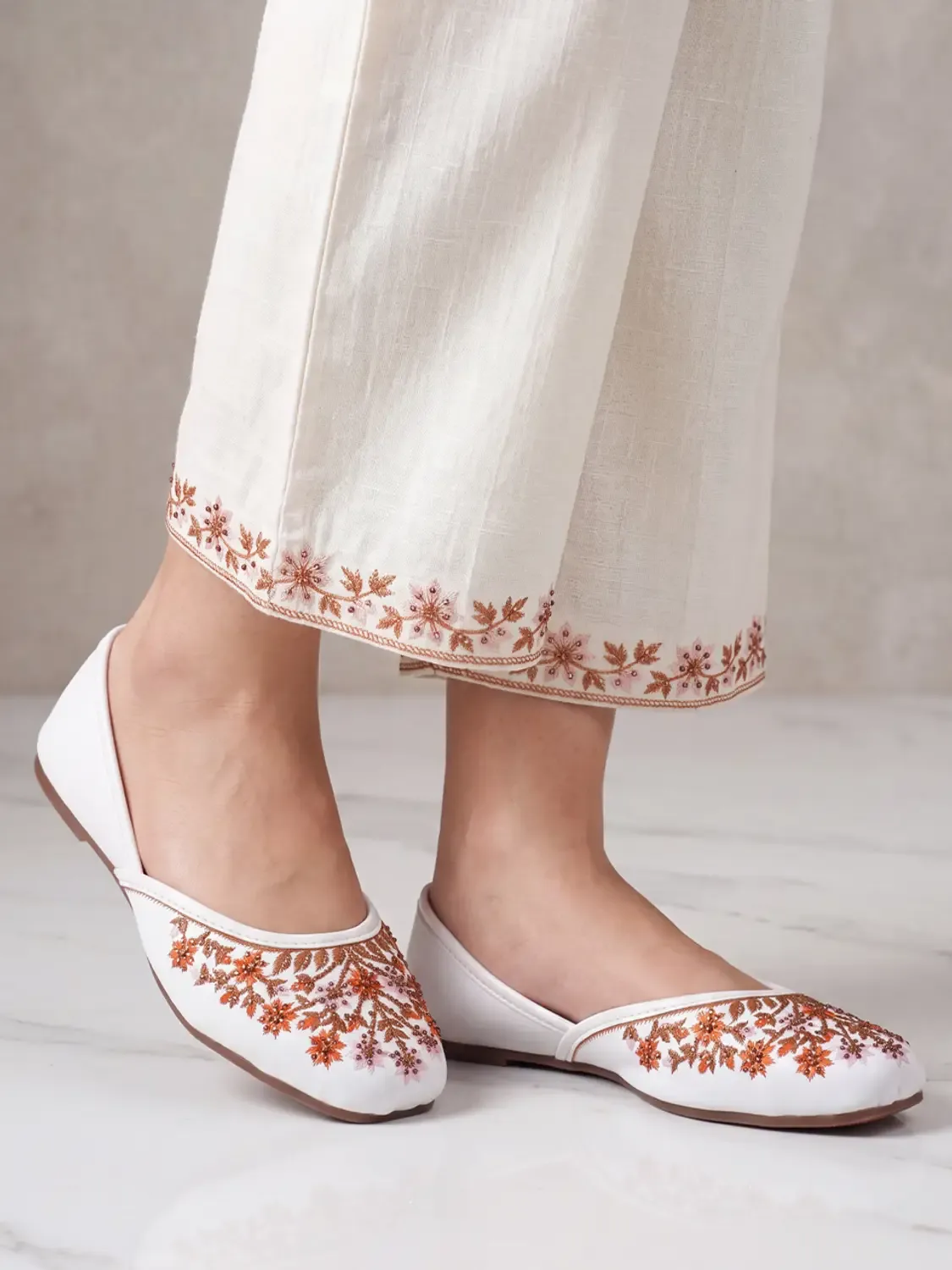
White juttis with rust floral embroidery; easy to slip off at the puja room door.
Starting price
₹761
on Flipkart
Fashion Jewellery
Lady Raiment
Brown enamel flowers that keep the jewellery small beside a busy border.
Starting price
₹169
on Flipkart
Scarves, Stoles & Dupattas
Dupatta Bazaar
White embroidered chiffon to cover the head while the pallu stays pinned.
Starting price
₹349
on Amazon
Juttis & Kolhapuris
Gamastitch
In place of the white juttis: maroon and gold velvet turns the outfit deeper for an evening aarti.
Starting price
₹498
on Flipkart
Complete look = the 4 pieces' current prices added up, without the swaps. Each piece is sold separately by its own store, and prices can change.
Look 6 of 7
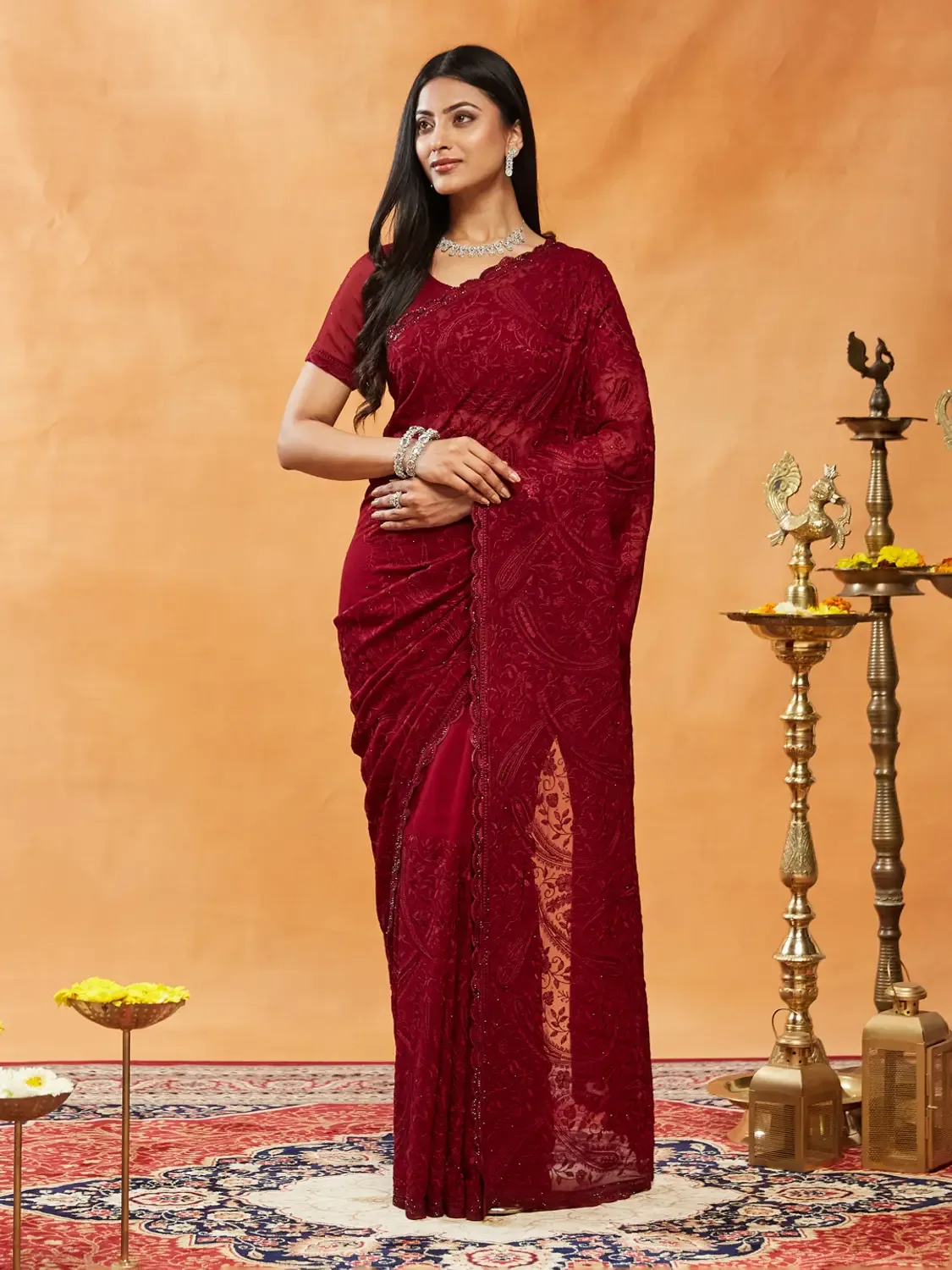
A maroon saree with a potli bag is the reception look: deep colour for stage lights, small bag for a long night. The Kasee saree is maroon silk blend with tone-on-tone paisley embroidery. A white embroidered dupatta worn as a cape lightens it near the face, and blush juttis and an ivory potli keep the accessories pale. What to keep in mind: The maroon reads close to red under warm light. If the bride wears red, check the shade with the family first.
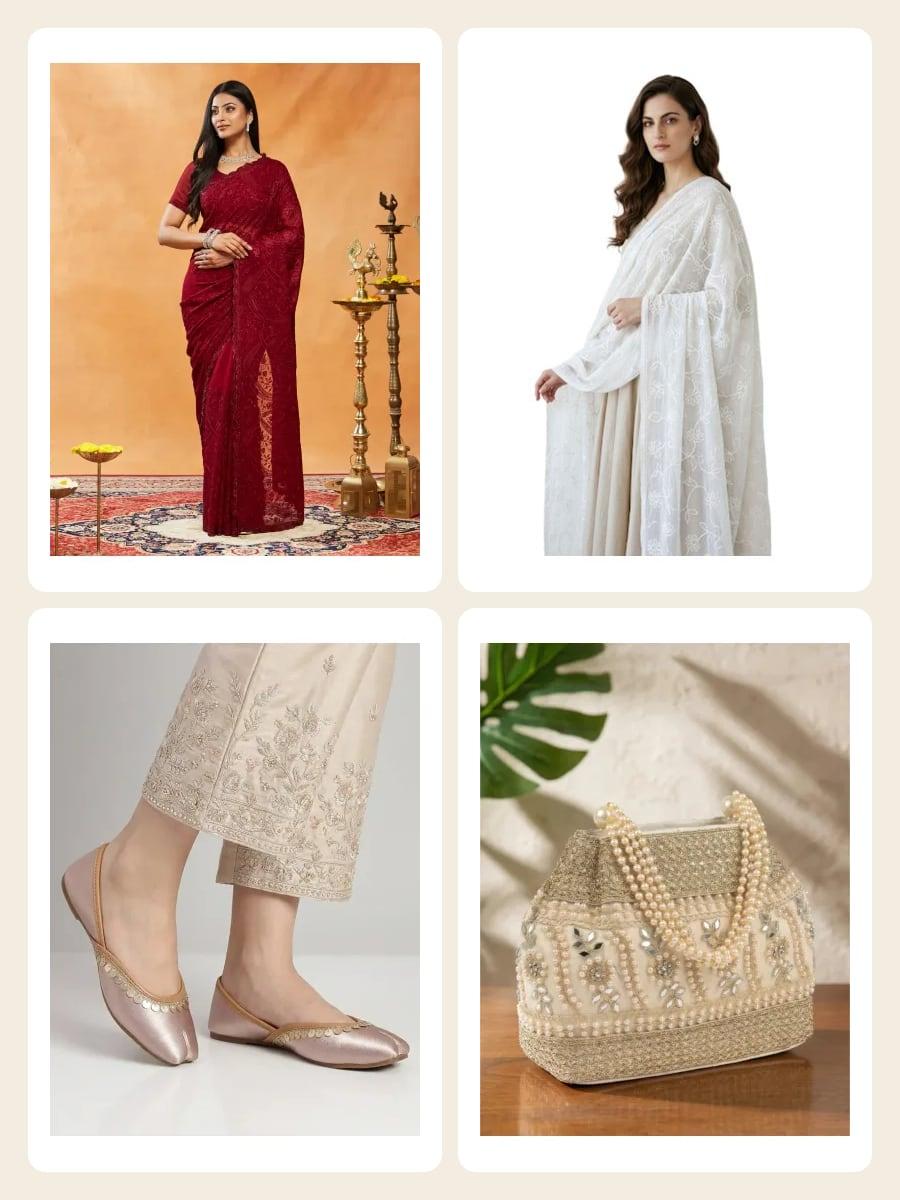
Sarees
Kasee
Maroon silk blend with tone-on-tone paisley embroidery: the hero.
Starting price
₹1,898
on Flipkart
Juttis & Kolhapuris
Catbird
Blush sequin juttis, the same pair as the sangeet look.
Starting price
₹597
on Flipkart
Scarves, Stoles & Dupattas
Dupatta Bazaar
White embroidered chiffon worn as a cape for the AC banquet hall.
Starting price
₹349
on Amazon
Bags & Backpacks
Demerra
The ivory pearl potli from the sangeet look.
Starting price
₹489
on Flipkart
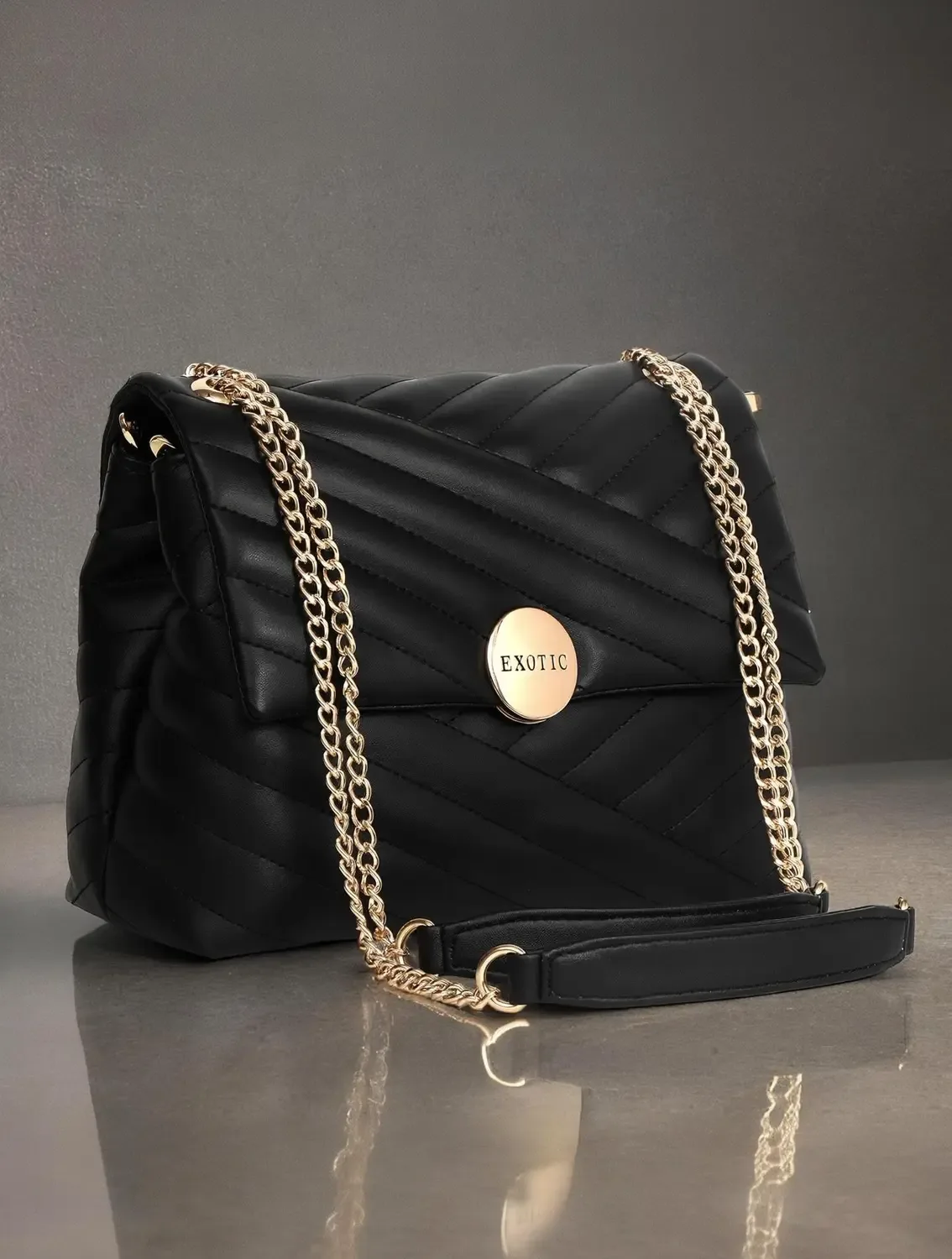
Bags & Backpacks
Exotic
In place of the potli: a black quilted bag on a gold chain holds more and makes the outfit sharper.
Starting price
₹630
on Flipkart
Complete look = the 4 pieces' current prices added up, without the swaps. Each piece is sold separately by its own store, and prices can change.
Look 7 of 7
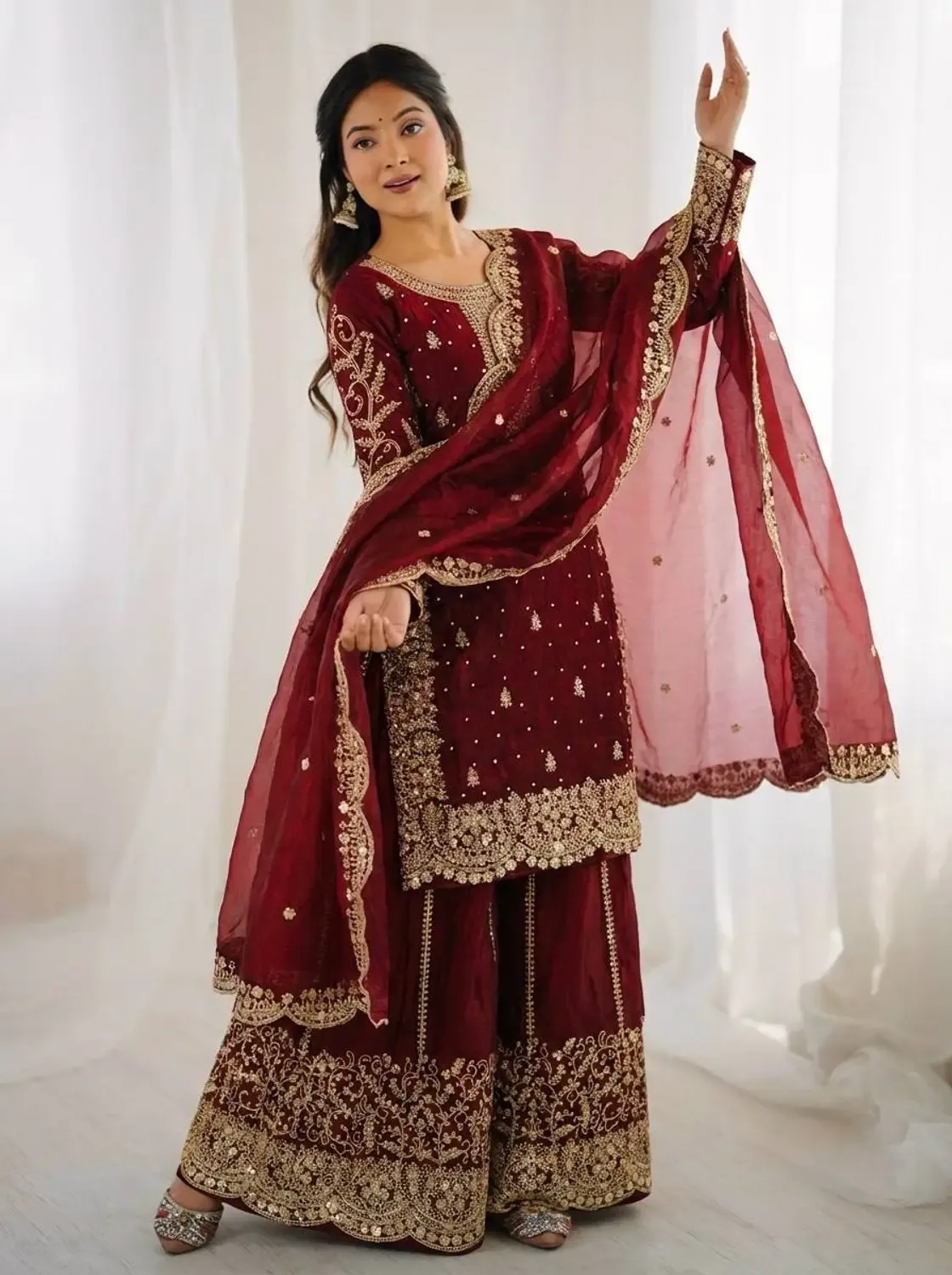
A maroon gold sharara set is for the wedding where you stand closest to the family and the camera. The Anghanbrothers set is maroon pure silk with gold zari at the neckline, hem and sharara, plus a matching dupatta. Blush juttis, an ivory potli and a plain watch keep the accessories light, so the zari leads. What to keep in mind: The listing says berry red; the photo shows maroon. Sizes start at M, so check the chart if you wear S.
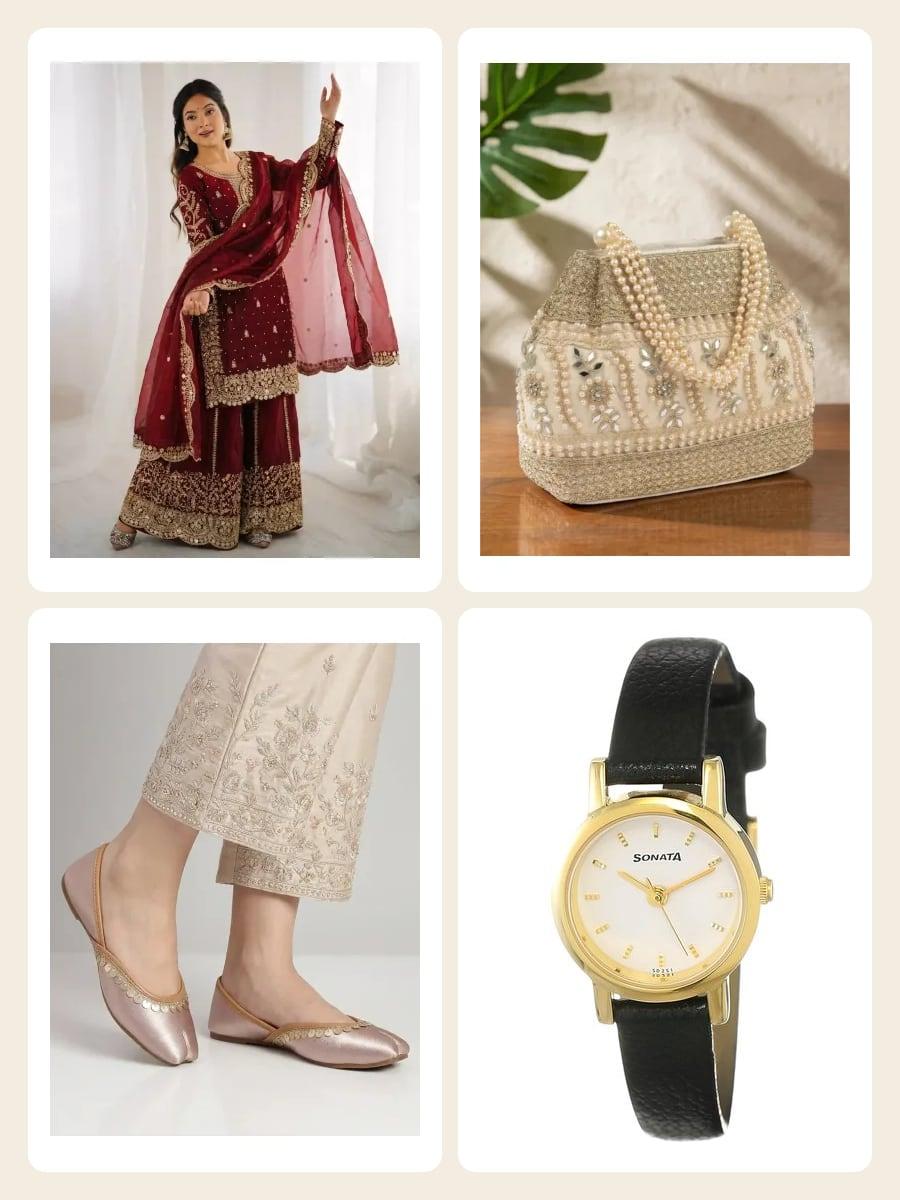
Kurta Sets
Anghanbrothers
Maroon pure silk with gold zari, a full sharara and a dupatta: the hero.
Starting price
₹1,494
on Flipkart
Juttis & Kolhapuris
Catbird
Blush sequin juttis that pick up the zari's gold.
Starting price
₹597
on Flipkart
Bags & Backpacks
Demerra
Ivory and gold pearl potli; the same bag as the sangeet and reception.
Starting price
₹489
on Flipkart
Watches
Sonata
A plain gold-tone watch for a long day of rituals.
Starting price
₹625
on Amazon
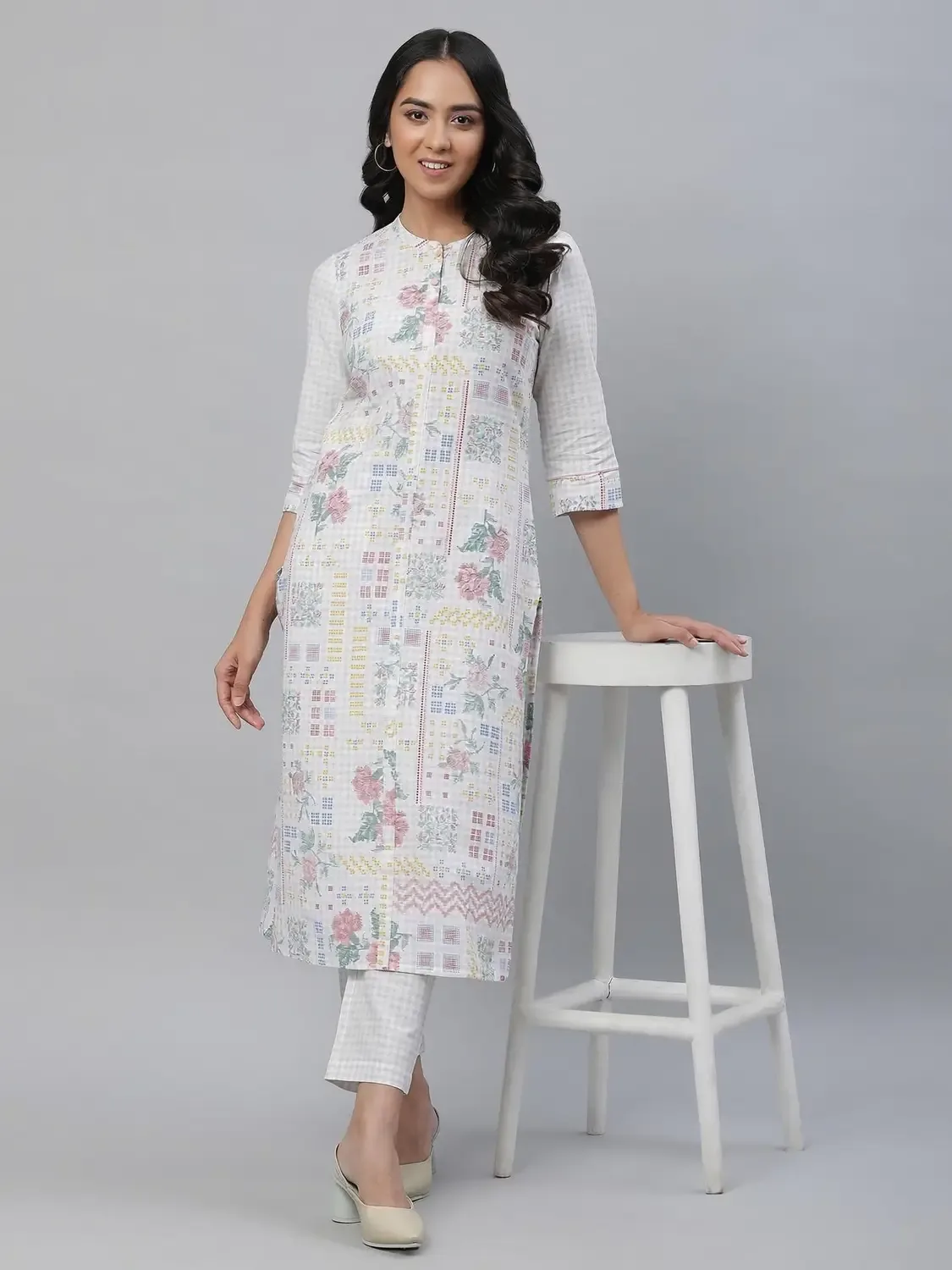
Kurta Sets
Aurelia
In place of the sharara set: white cotton with a pastel print suits a daytime family function, not the main ceremony.
Starting price
₹1,560
on Flipkart
Complete look = the 4 pieces' current prices added up, without the swaps. Each piece is sold separately by its own store, and prices can change.
Indian wedding season runs from October to February, and a packed banquet hall or a lawn at noon is warm even in December. Fabric decides how you look in the last photo.
The Rangmohini kurta is khadi cotton, the Ushagarments patiala and the Loopup palazzos are cotton, and the Ethniqu kurta is a cotton blend. They breathe in sun and wash after turmeric and mehendi. The catch is creasing, which matters less at a haldi than anywhere else.
The VredeVogel set, the Munir saree and the Kasee saree are silk blends. They hold a soft sheen under lights and drape well in photographs. They run warmer than cotton, and both sarees are dry clean only, so keep them for the evening functions where they earn that cost.
The Anghanbrothers sharara set is listed as pure silk. It is the richest fabric here, and it belongs to the function where you stand closest to the family and the camera.
Most guides add a new outfit per function. The cheaper method is to change what surrounds the main garment. In this guide, the white embroidered dupatta appears with a kurta at the mehendi, with the pink saree at the puja and with the maroon saree at the reception. The blush juttis go to the sangeet, the reception and the family wedding.
Do the same with one saree. Wear the Kasee maroon saree with the white dupatta as a cape and the ivory potli for the reception. Wear it again at a family puja with the brown flower earrings and no dupatta, and it reads as a different, quieter outfit. Change the blouse or the jewellery between functions, never all the pieces at once.
We read the pages that rank on Google India for "indo western dresses for wedding" and "indo western outfits for women" before writing this. They share four blind spots.
They do not price a guest look. They show designer lehengas and leave the rupee question open. None prices a full guest outfit, shoes and bag included, from a ₹1,228 haldi look to a ₹3,333 reception look.
They ignore the heat. Velvet and heavy organza look good in a lookbook and feel heavy at a noon ceremony in a humid city. Dancing at a sangeet in a packed hall asks for lighter fabric than most of them suggest.
They never rewear. None explains how one saree or lehenga goes to two functions with a different dupatta, blouse or jewellery. That is the guest's biggest saving, and it is how this guide is built.
They skip coverage. Dupatta and sleeve expectations change from one family to the next, and the guides write as if every wedding were a cocktail party.
Plan one outfit per function, buy the accessories that repeat, and leave the bridal colours to the bride. That is how indo western dresses for wedding functions stay at guest prices and still look different in every photo. Spend on the main garment for the evening functions and keep the day ones washable. For western silhouettes, see dresses for women for wedding; for parties, ethnic party wear for women; for tighter budgets, indo western dress for wedding under 1000.
FundaTrendKa styles and links to clothing, footwear and accessories sold by other retailers; we don't sell, stock or ship them. Each product is bought on its own from its store, and prices are the retailer's reference prices, which may change. We may earn a commission when you buy through these links, at no extra cost to you.