Dresses
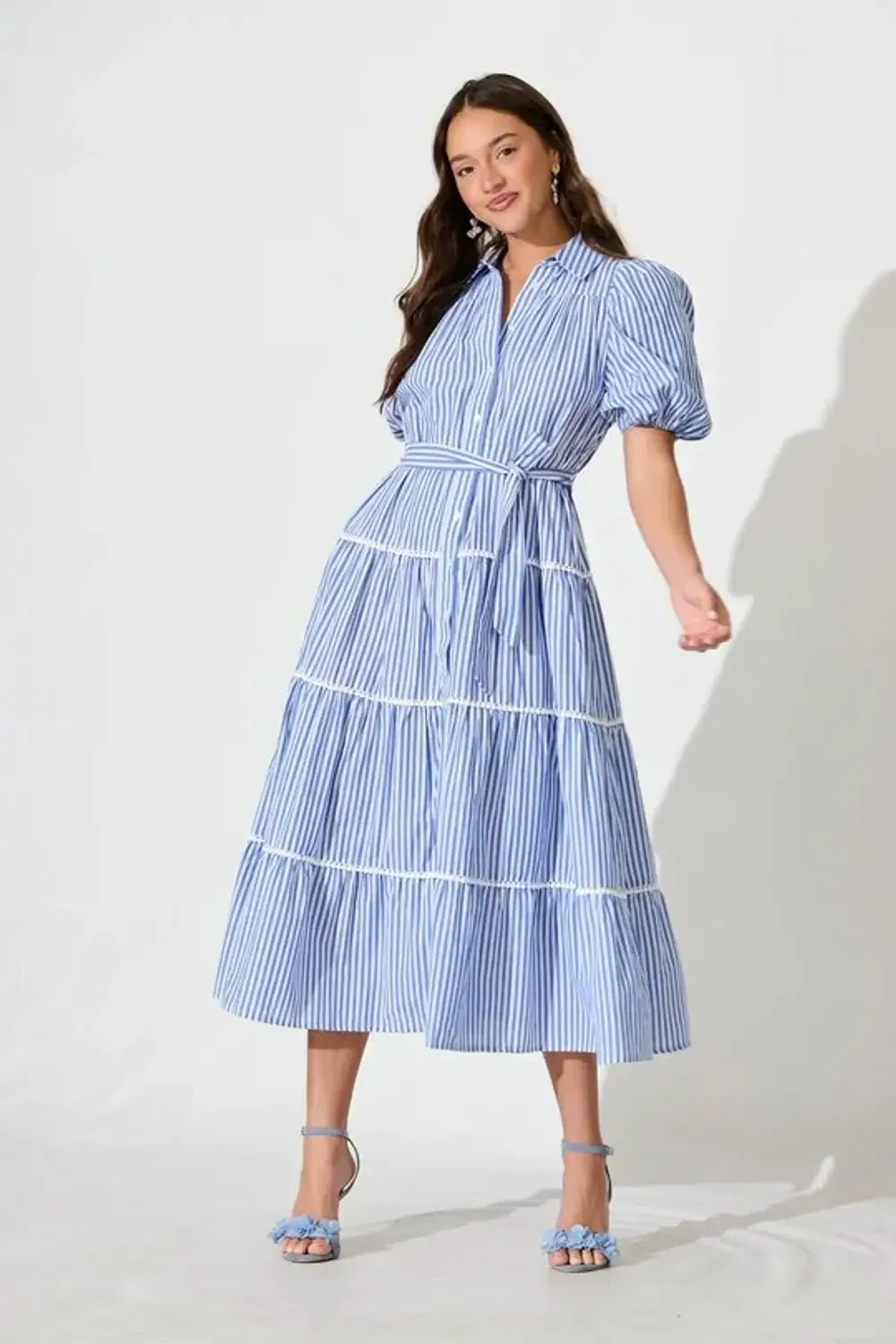
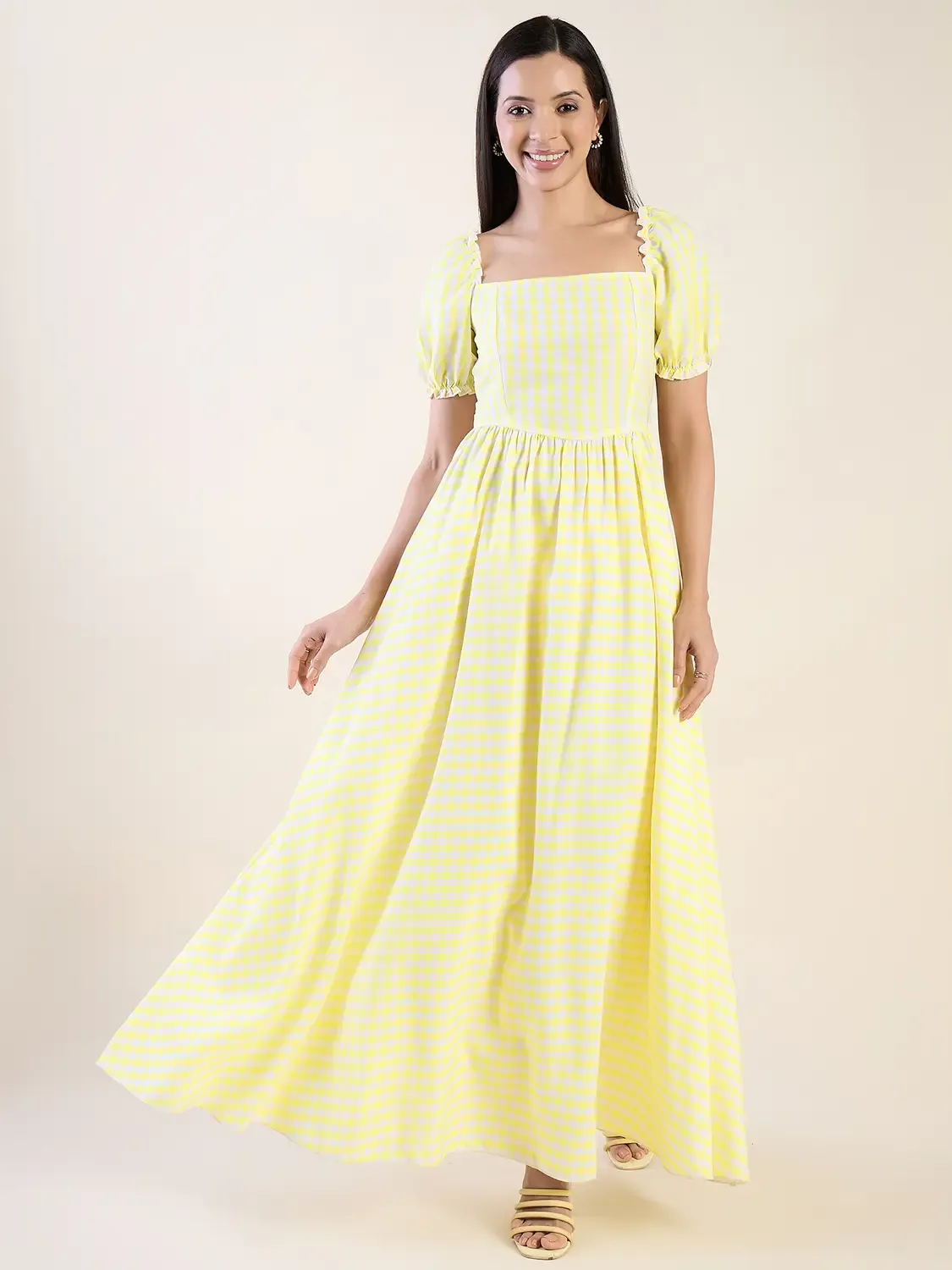
AAYU Women's Cotton Maxi Dress in Yellow
AAYU
Lemon and white gingham cotton blend with puff sleeves, a square neck and a full skirt.
Starting price
₹807
on Flipkart
Styling guide
Dresses for women for wedding functions in India: 7 soft looks from ₹1,157 to ₹3,236, built on cotton maxis, chiffon, jumpsuits and co-ords.
Styled by Akash Nishadraj · Updated 3 days ago · Published · Prices checked · 7 looks, 17 products
Dresses for women for wedding functions do not need a designer budget; they need the right dress for each event. A friend's wedding in Lucknow runs from a morning haldi to a late reception, and the dress that suits turmeric and floor cushions is not the one that suits a stage and flash photographs. This guide gives you seven soft, romantic looks for those seven moments, from a lemon gingham maxi to a plum jumpsuit with sheer sleeves. A complete look, shoes, bag and jewellery included, costs ₹1,157 to ₹3,236. Most dresses cost under ₹1,000. The value is in repeat wear: one pair of embroidered mules, one white net dupatta and one set of gold and silver bracelets travel across several functions, so each costs a few rupees per wear by the end of the wedding season.
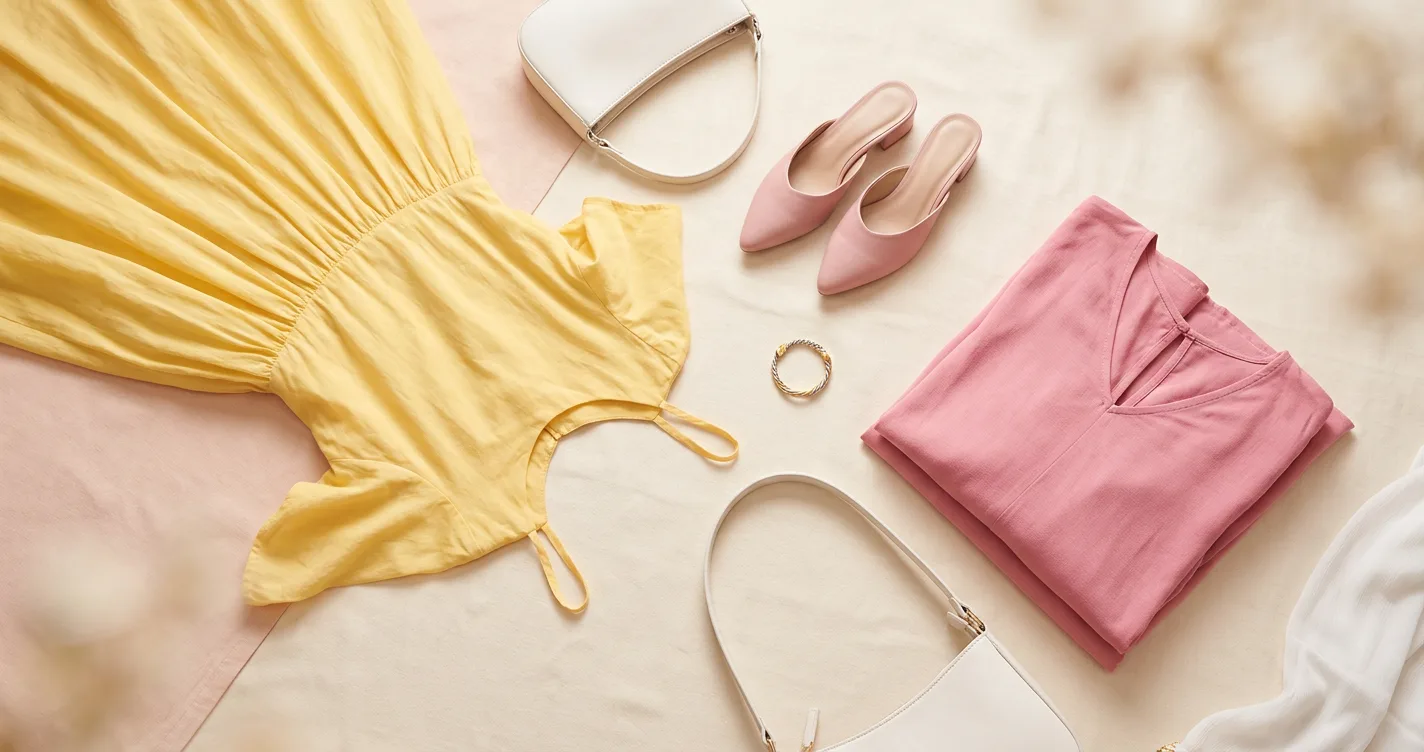
Romantic dressing is about movement and softness rather than shine. Fabric that flows when you walk, colours that sit gently beside the bride, and details like ruffles, tie straps and puff sleeves that look made for an occasion. Three rules keep it from looking like a summer holiday.
Each dress here has one romantic detail: tie straps on the chiffon maxi, sheer polka-dot sleeves on the jumpsuit, white ric-rac on the yellow skirt, a peplum on the black co-ord. One detail reads chosen. Ruffles, florals, bows and lace together read like a costume.
The real palette here is lemon yellow, butter yellow, blush pink, plum, red with white print, and black. Pastels suit day functions; plum and black suit the evening. Bridal red and heavy gold belong to the bride. The one red dress in this edit is covered in a white print, which keeps it festive rather than bridal.
Indian functions mean heat, crowds and hours of sitting. Cotton and viscose breathe; chiffon flows but needs a lining. Polyester jumpsuits and co-ords look sharp but run warm, so they belong in air-conditioned halls and evening receptions.
Avoid all-white at a traditional family function unless the hosts are relaxed about it; white is still the colour of mourning in many homes. Avoid stilettos on a lawn or a mehendi floor. Avoid a dress so short or so bare that you spend the night adjusting it. And avoid five accessories at once: a bracelet, a bag and one dupatta are enough.
Yes, at most functions, if you match the dress to the event. The rules change across the week.
Both are daytime, informal and often outdoors. Cotton maxis in yellow, green or a print are ideal, because turmeric and henna will land on them. Pick flats or mules you can slip off for floor seating.
The sangeet is a party with dancing. A flowing maxi or a jumpsuit is at home here, and short dresses pass at friends' sangeets.
Many families expect covered shoulders and a long hem at the religious ceremony. A calf-length midi with a dupatta over the shoulders works; a strappy dress does not.
Receptions are evening, formal and photographed. A jumpsuit or a velvet dress in plum or black holds up beside sarees.
Avoid bridal red, heavy gold and, in traditional homes, all-white and all-black. Red belongs to the bride in most Hindu weddings. White and black are read as mourning or unlucky by some families, especially at the pheras and pujas. Soft colours are the safe middle: a pastel dress for wedding day functions, plum and wine for the evenings. When in doubt, ask the person who invited you. It is a normal question, and it saves you from being the guest everyone remembers for the wrong reason.
The cheapest way to dress for a wedding week is to buy dresses and repeat everything else. Seven looks here use only five pairs of shoes, two dupattas, one bag and one bracelet set. The fuchsia mules go to the haldi and the sangeet. The white net dupatta covers the sangeet, the reception and the family wedding. The bracelets finish four looks. Each repeat changes meaning because the dress around it changes: the same mules read playful under lemon gingham and festive under blush chiffon. If you already own a pair of flats and a dupatta, start there and buy only the dresses. A wedding guest outfit under ₹1,000 is realistic when the dress is the only new piece.
Look 1 of 7
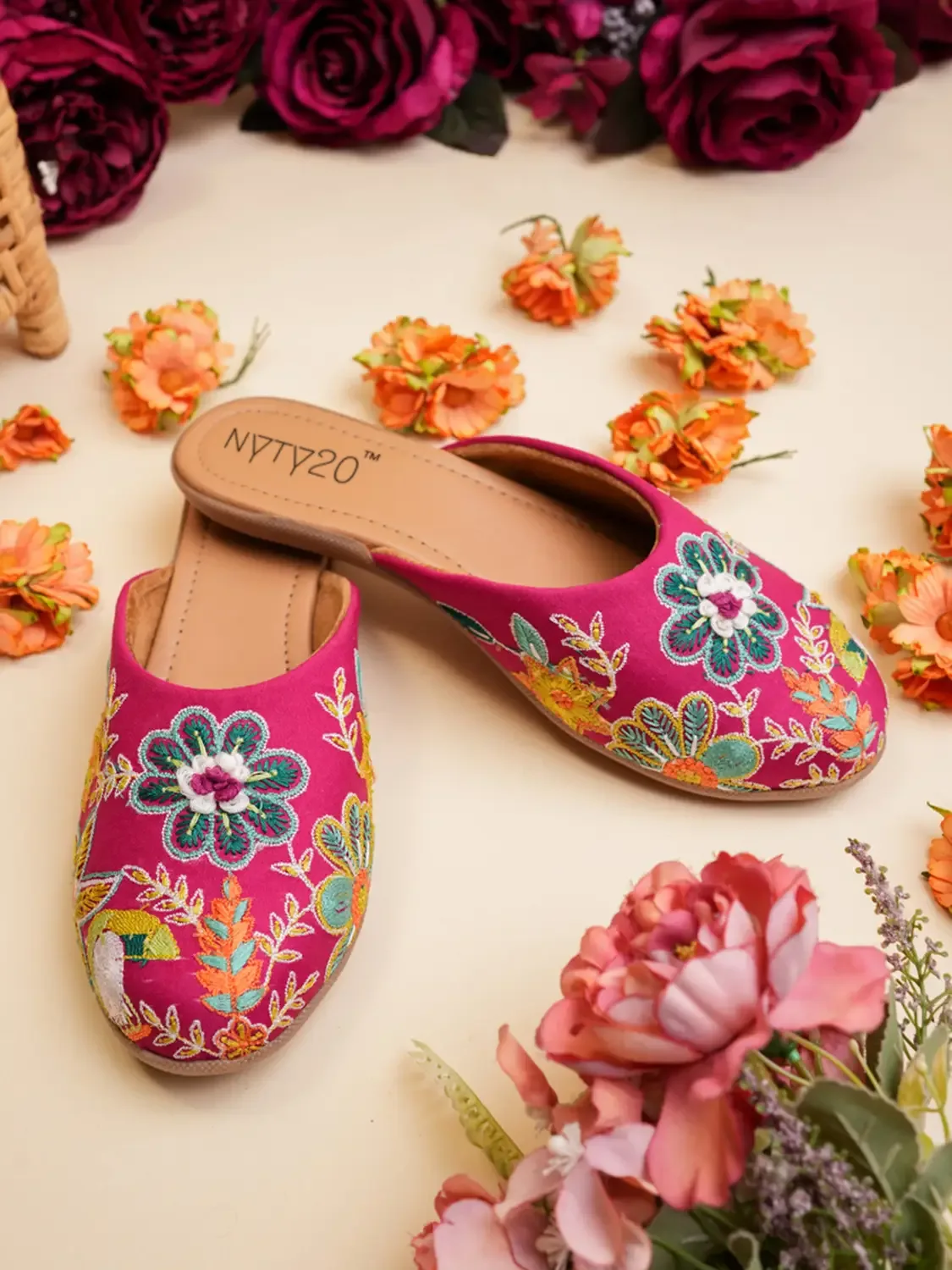
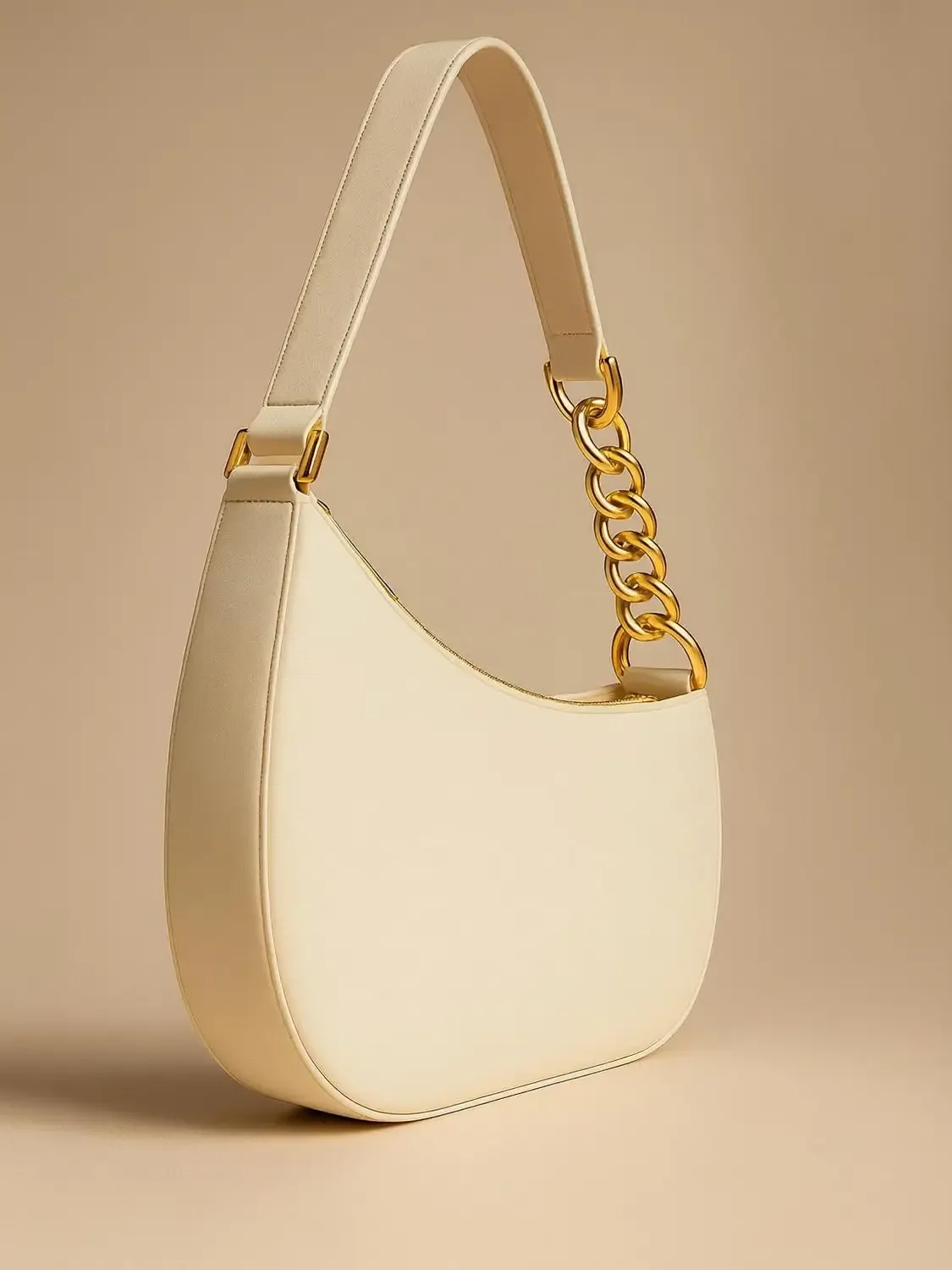
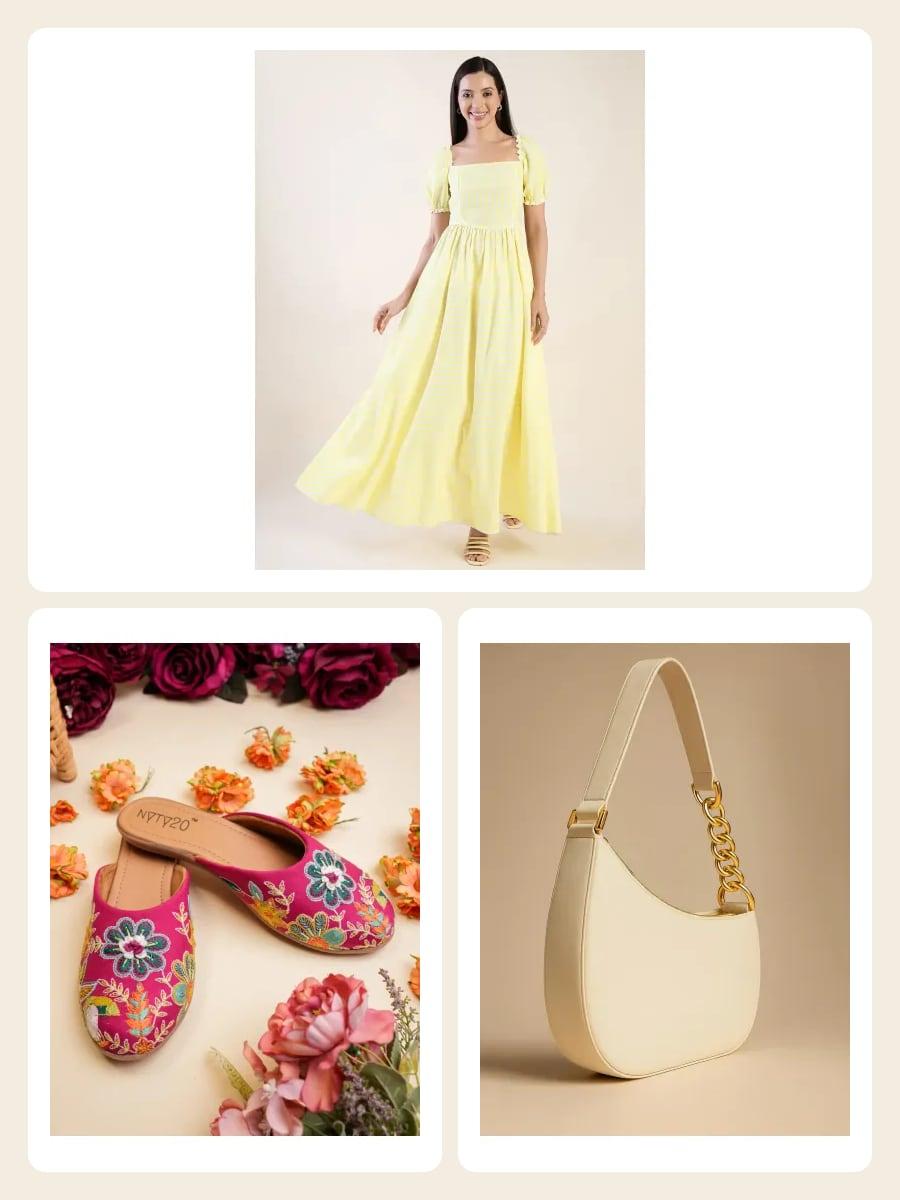
A yellow gingham haldi dress solves the function's two problems: it matches the turmeric and it breathes. The lemon check has puff sleeves and a square neck, so it looks dressed. Fuchsia embroidered mules slip off for floor seating, and the cream bag keeps your phone clear of the haldi bowl. What to keep in mind: The cream bag shows turmeric stains at once; keep it on a chair during the ceremony itself.
Dresses
AAYU
Lemon and white gingham cotton blend with puff sleeves, a square neck and a full skirt.
Starting price
₹807
on Flipkart
Mules & Clogs
Nyty20
Fuchsia mules covered in floral embroidery; they slip off for floor seating.
Starting price
₹411
on Flipkart
Bags & Backpacks
S.P. Pearls
A cream curved shoulder bag with a chunky gold chain; small enough to hold away from turmeric.
Starting price
₹367
on Flipkart
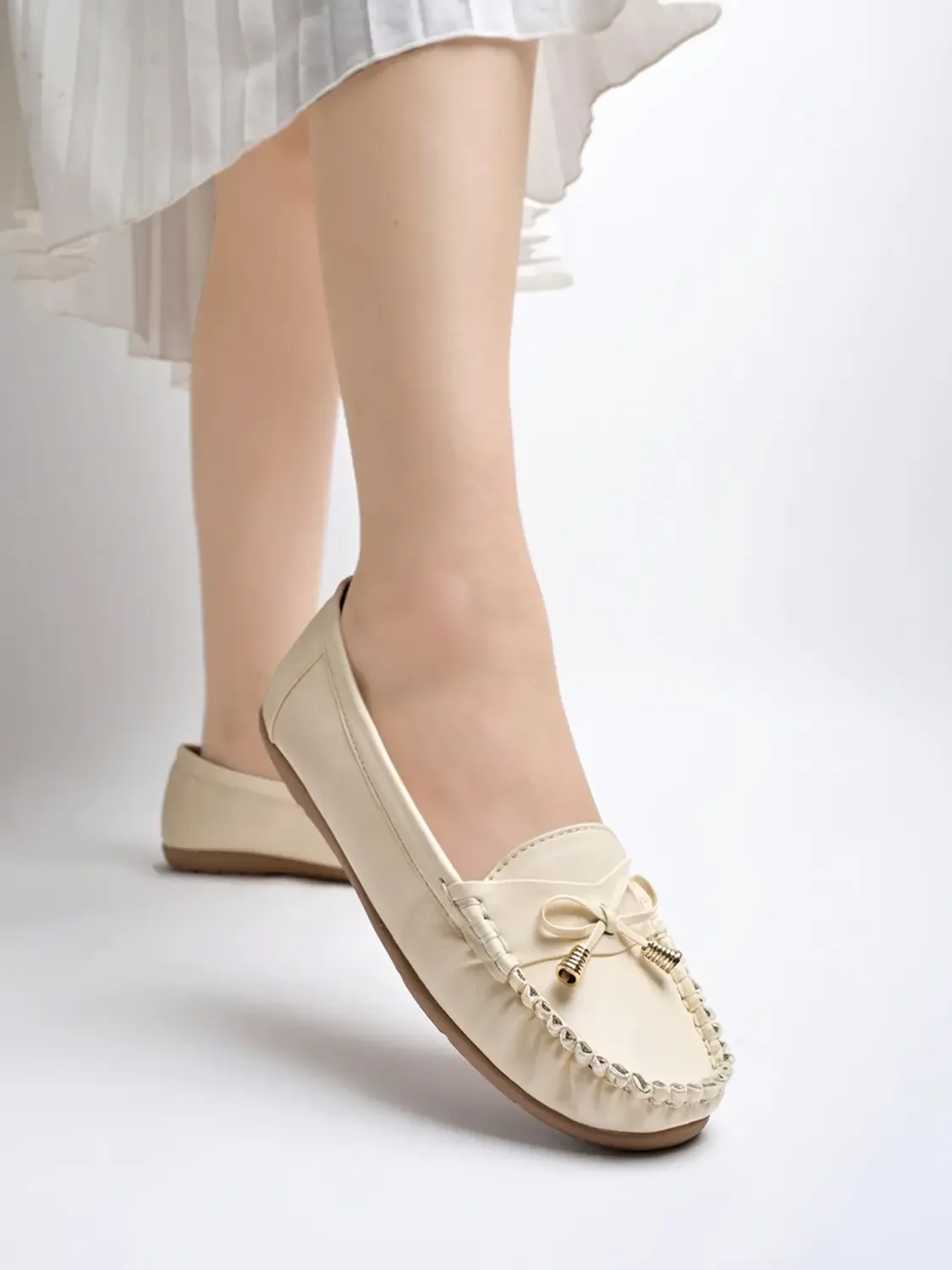
Flats & Ballerinas
Shoetopia
Cream moccasin flats with a bow; a closed shoe for a muddy lawn, and the look turns calmer.
Starting price
₹488
on Flipkart
Complete look = the 3 pieces' current prices added up, without the swaps. Each piece is sold separately by its own store, and prices can change.
Look 2 of 7
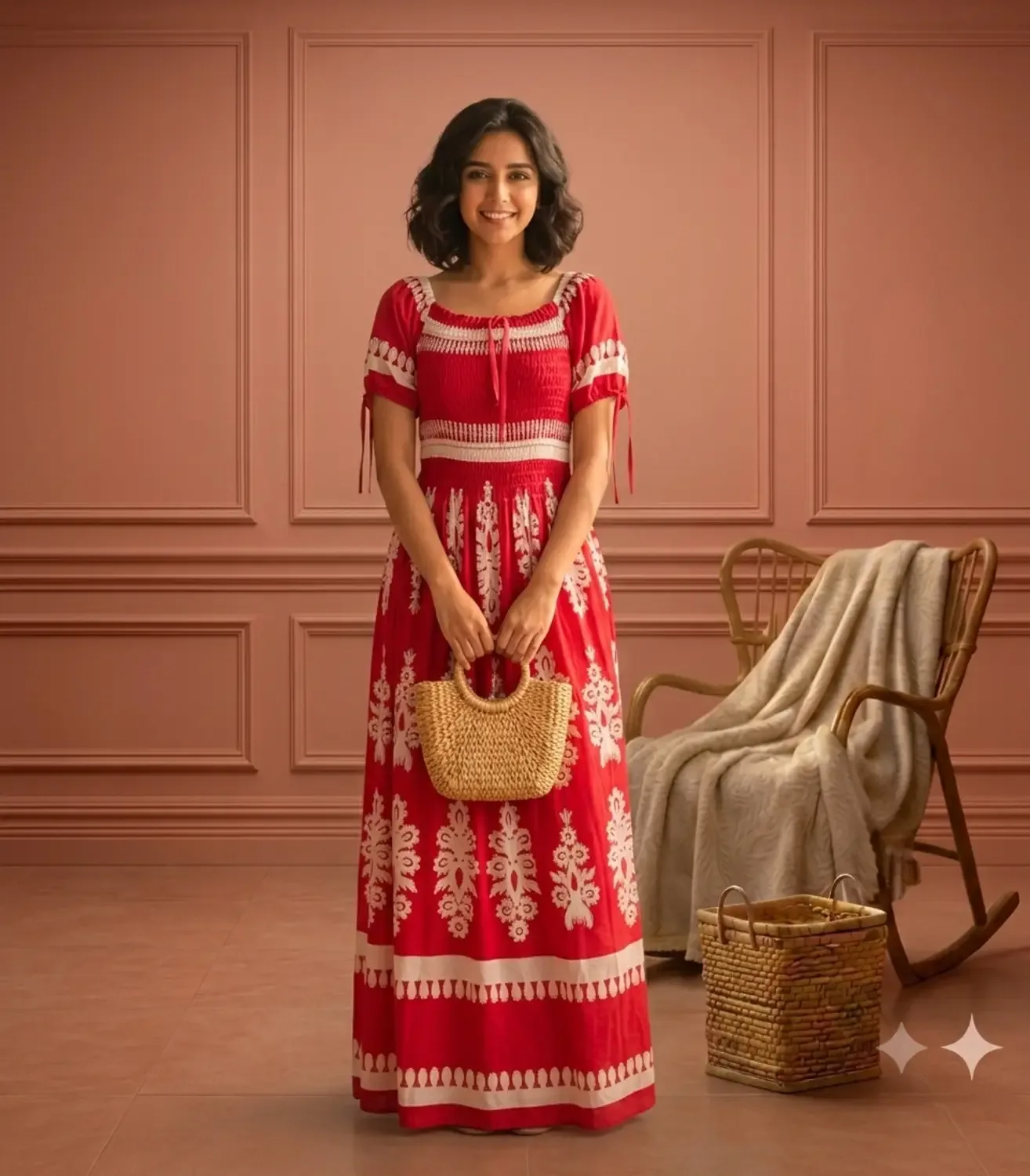
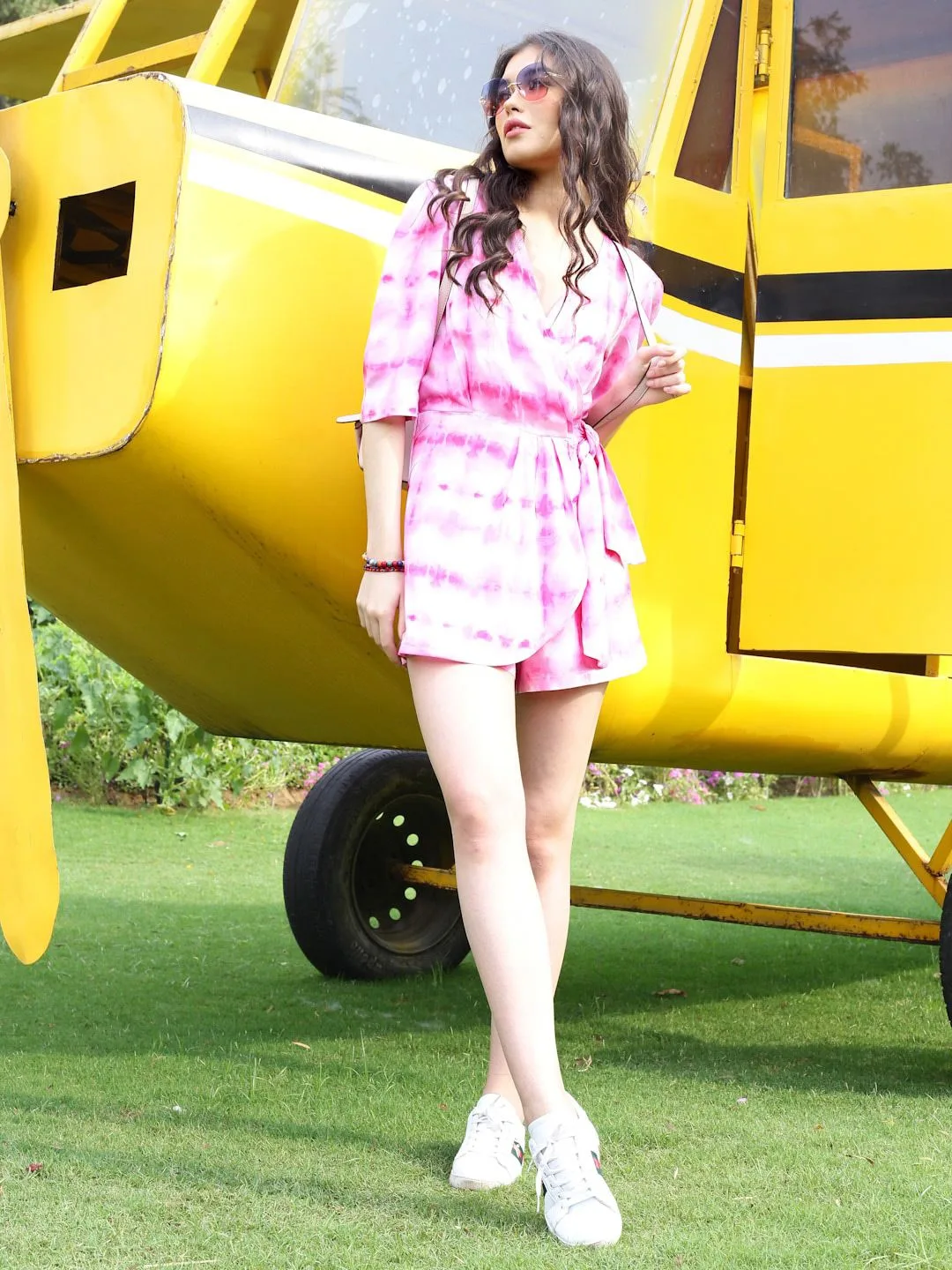
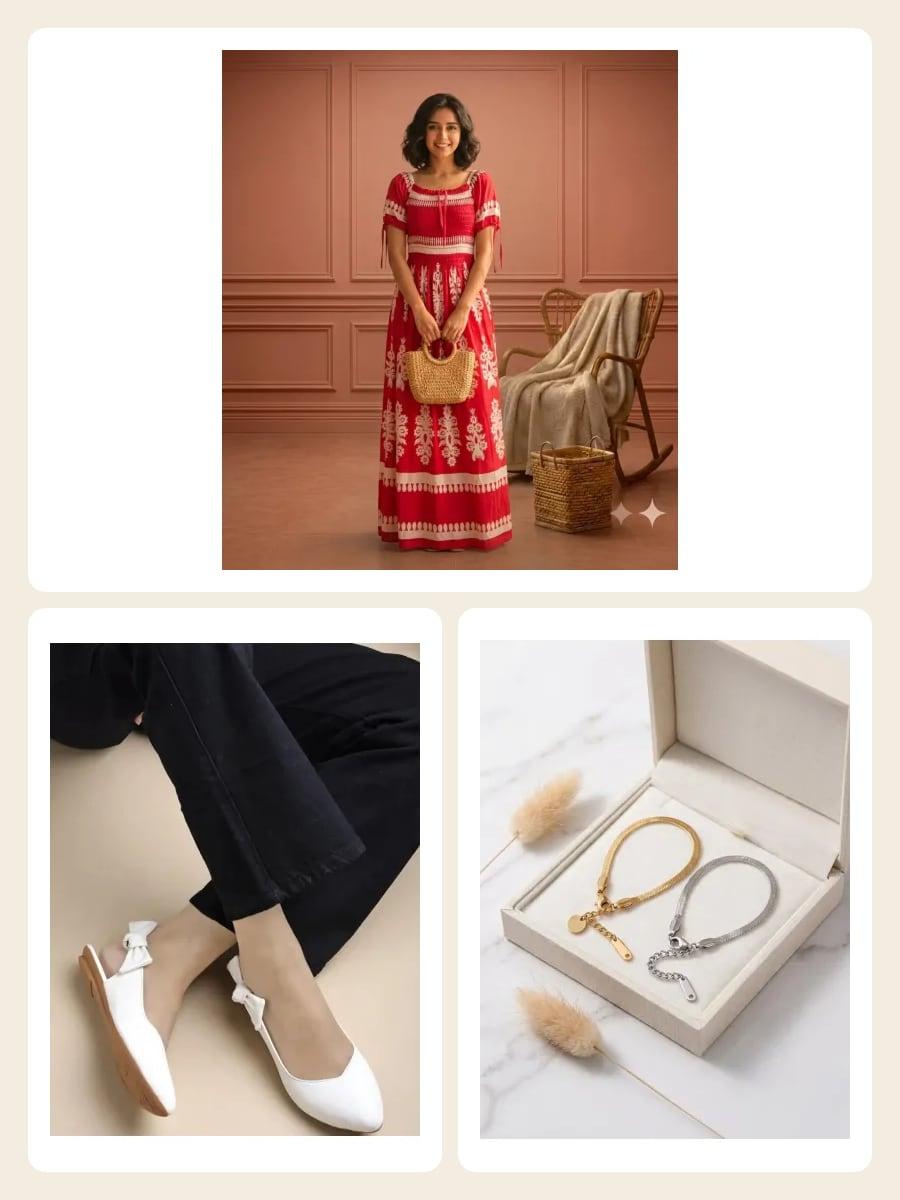
A red print maxi for the mehendi reads Indian from across the room: the white motifs look like block print. It is the cheapest look in this edit. White bow flats keep it light, and the gold and silver bracelets go on once your henna dries. What to keep in mind: The dress is listed as pink but is red in the photo, and the listing says dry clean only, which matters near henna.
Dresses
Mithi Fashion
Listed as pink; the photo shows red with a white ethnic print, a square neck and short tie sleeves.
Starting price
₹583
on Flipkart
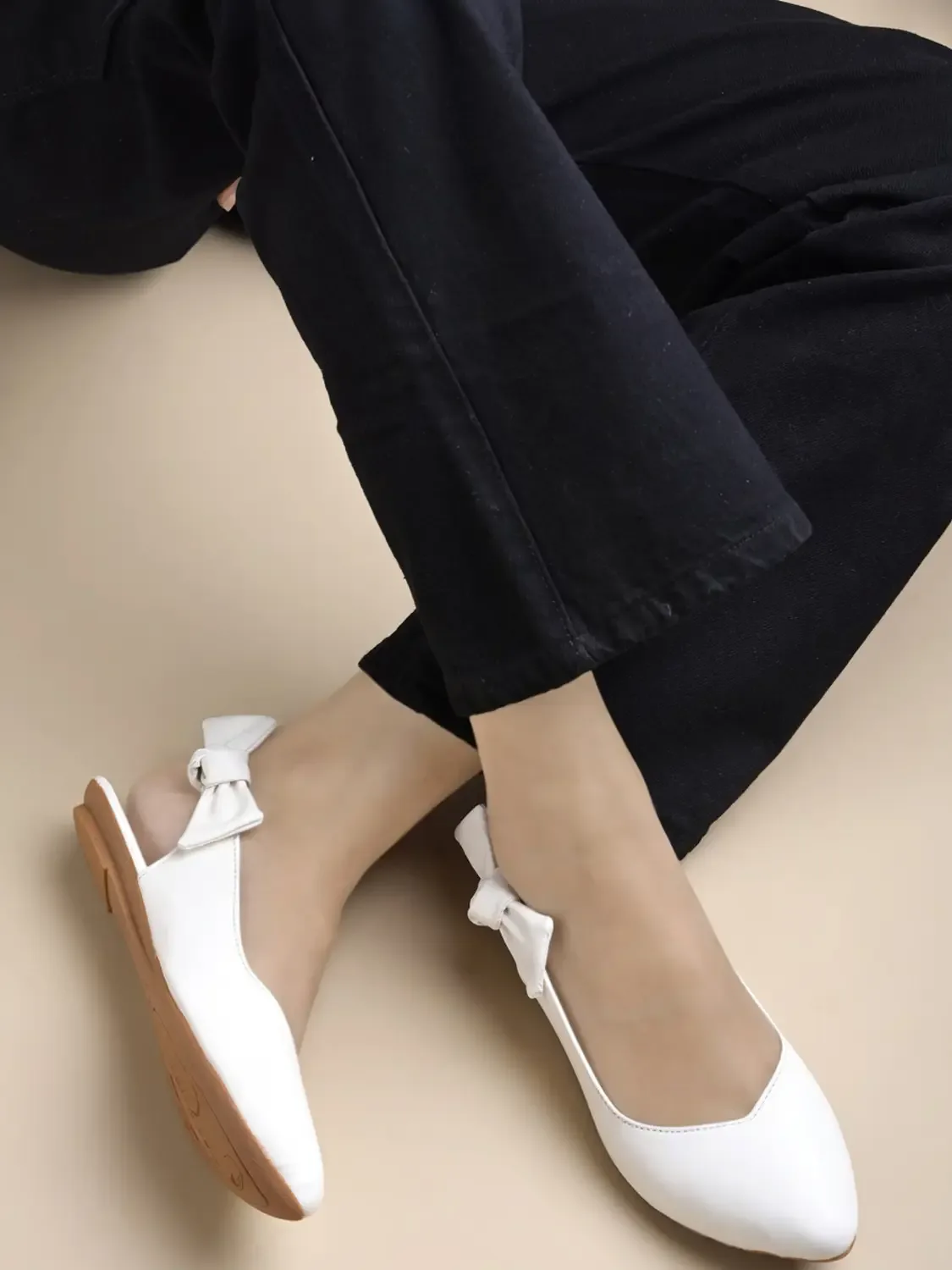
Flats & Ballerinas
Shoetopia
White pointed slingback flats with a bow; flat for hours on a mehendi floor.
Starting price
₹378
on Flipkart
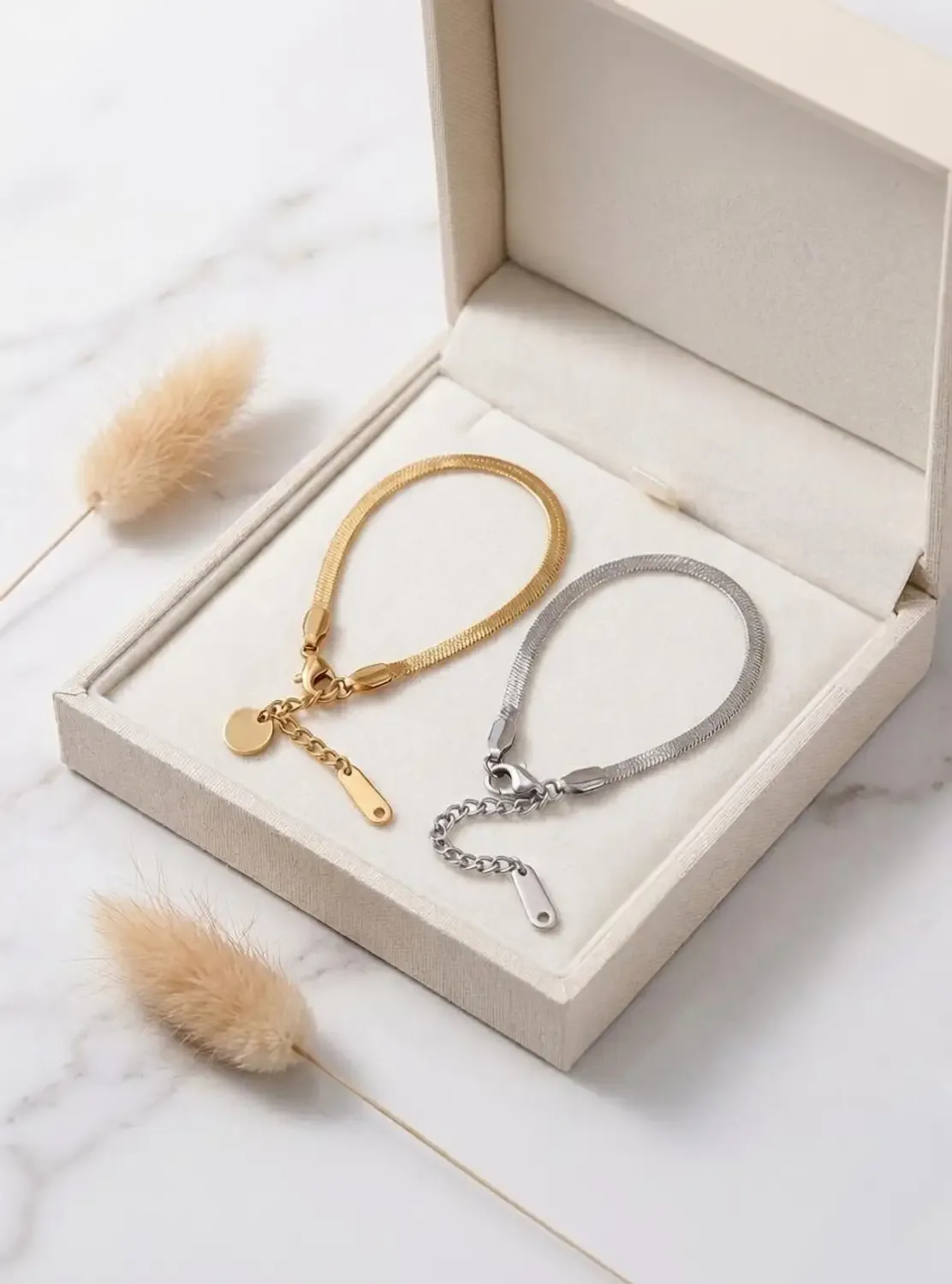
Fashion Jewellery
Kazare
Two thin snake-chain bracelets, one gold and one silver.
Starting price
₹196
on Flipkart
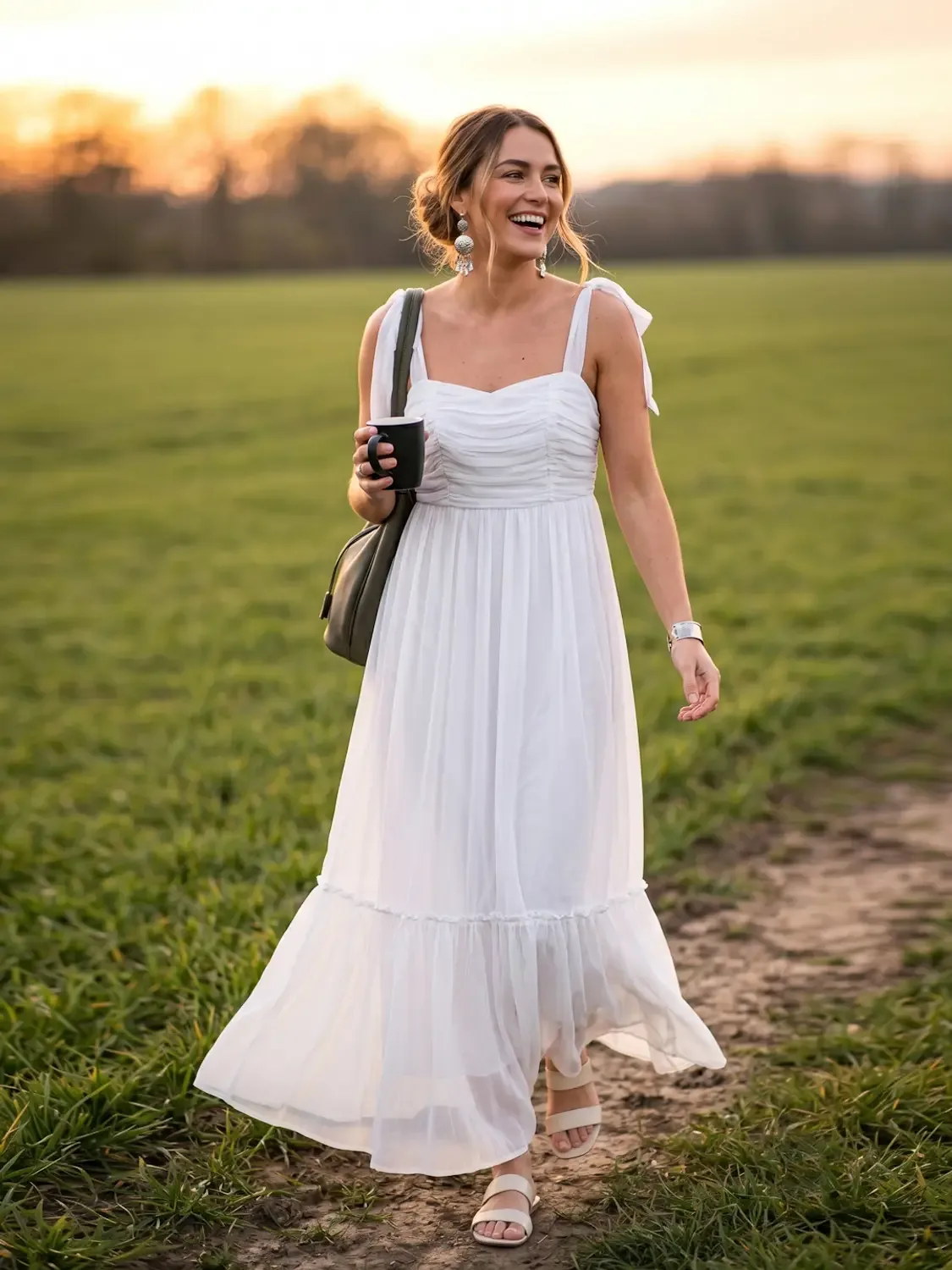
Dresses
AAYU
A white tiered chiffon maxi with tie straps; the look turns soft and bridal-party, but check that the family is relaxed about white.
Starting price
₹759
on Flipkart
Complete look = the 3 pieces' current prices added up, without the swaps. Each piece is sold separately by its own store, and prices can change.
Look 3 of 7
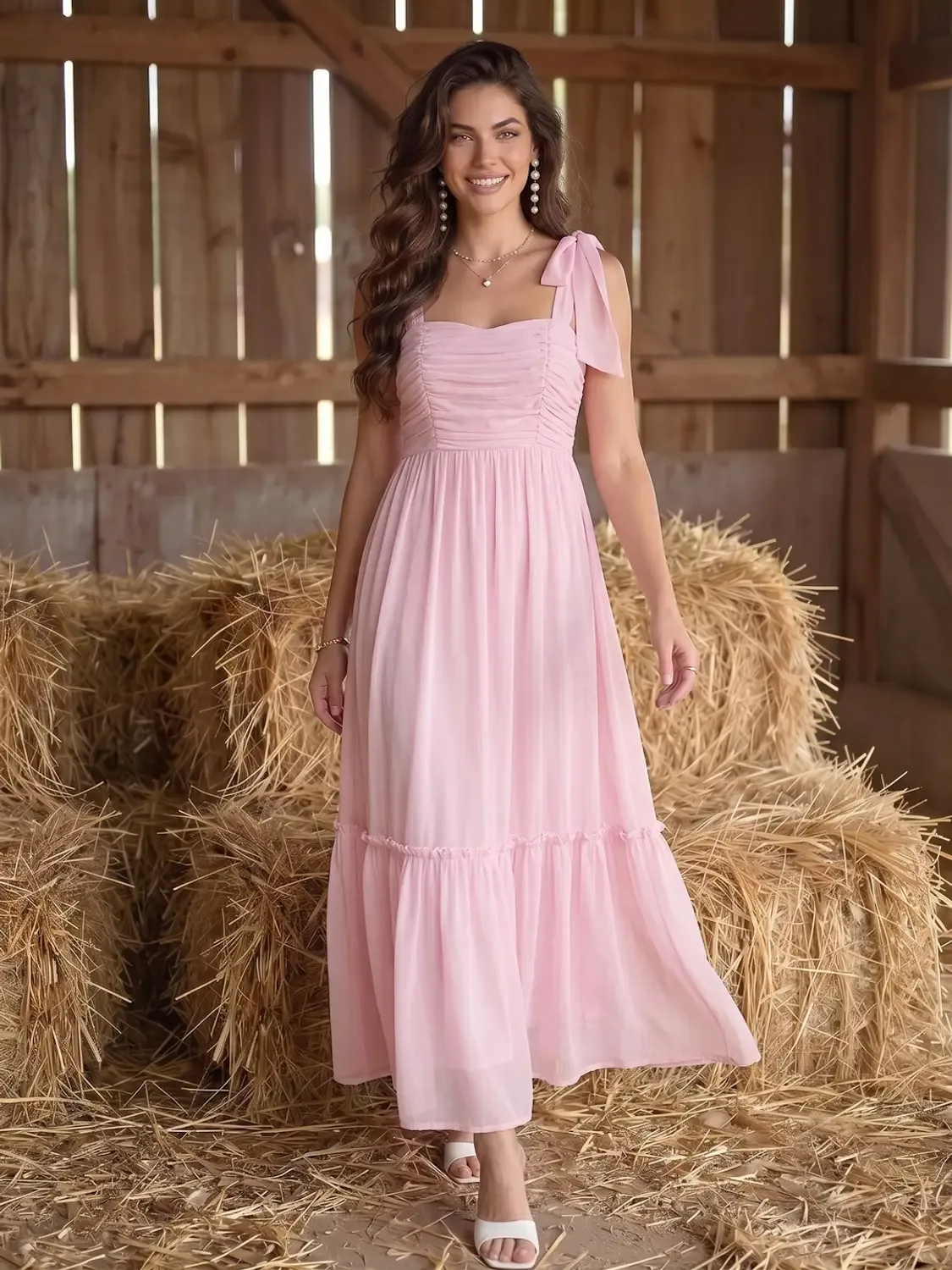
A pink chiffon maxi for the sangeet is built to move: a tiered skirt that swings when you dance. Blush and fuchsia are two depths of one colour, so the mules belong to the dress. The white net dupatta goes over the shoulders when elders arrive. What to keep in mind: Tie straps leave the shoulders bare, so keep the dupatta on for family performances.
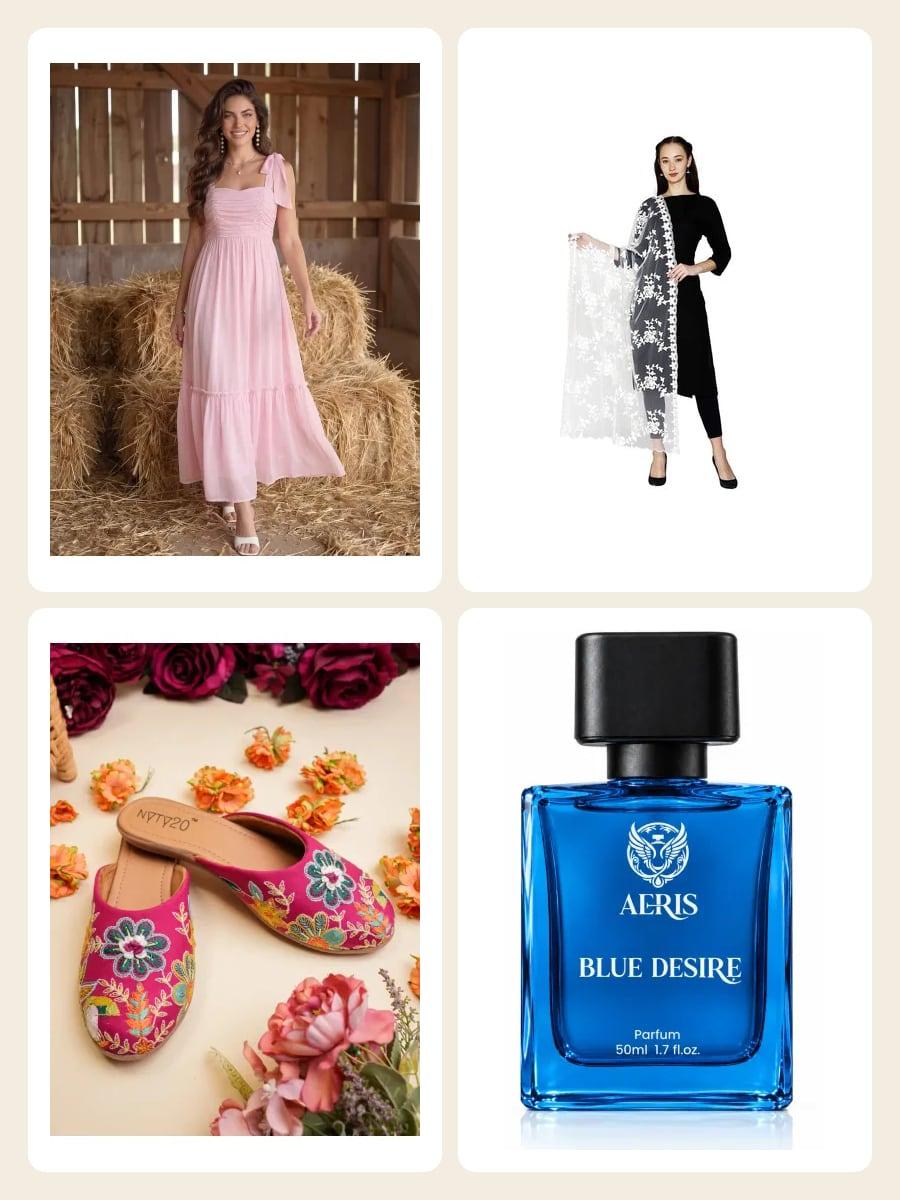
Dresses
AAYU
Blush pink chiffon with a ruched bodice, tie shoulder straps and a tiered skirt.
Starting price
₹767
on Flipkart
Mules & Clogs
Nyty20
The fuchsia embroidered mules from the haldi look; a deeper pink beneath the blush.
Starting price
₹411
on Flipkart
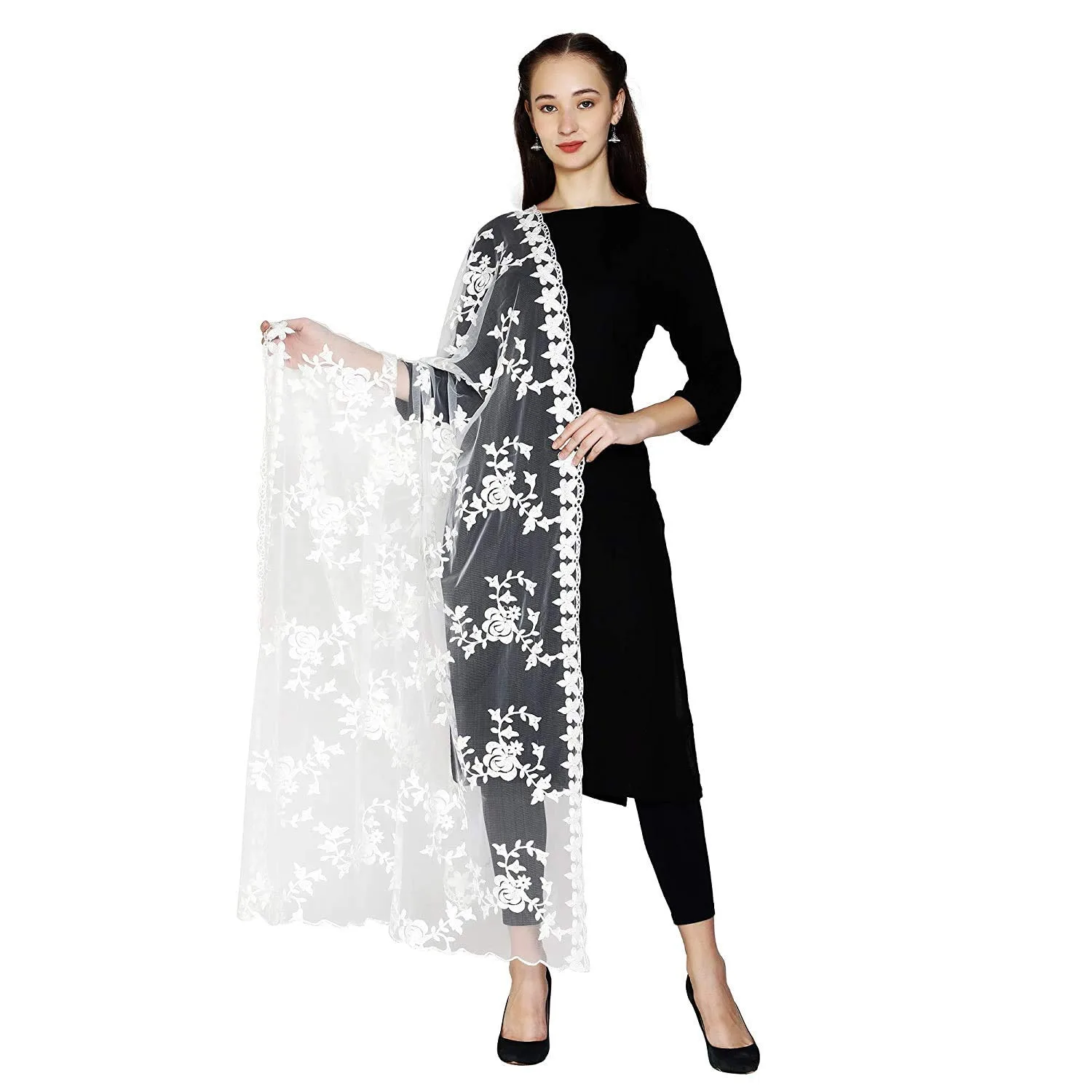
Scarves, Stoles & Dupattas
Hari Madhav Design
White net with floral embroidery and a scalloped border; it adds coverage.
Starting price
₹411
on Amazon
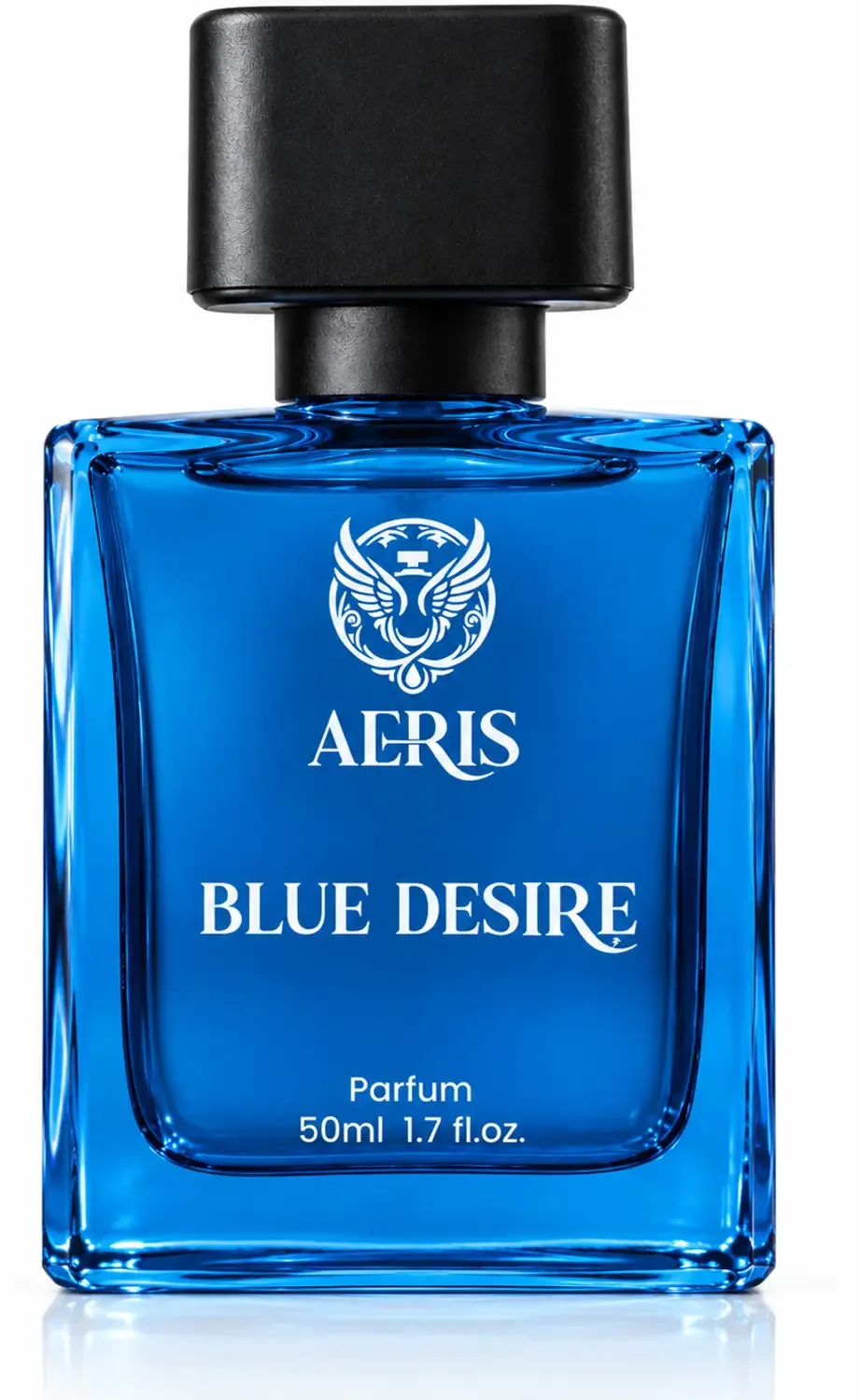
Perfumes
Aeris
Blue Desire eau de parfum, 50 ml, for a long night of dancing.
Starting price
₹388
on Flipkart
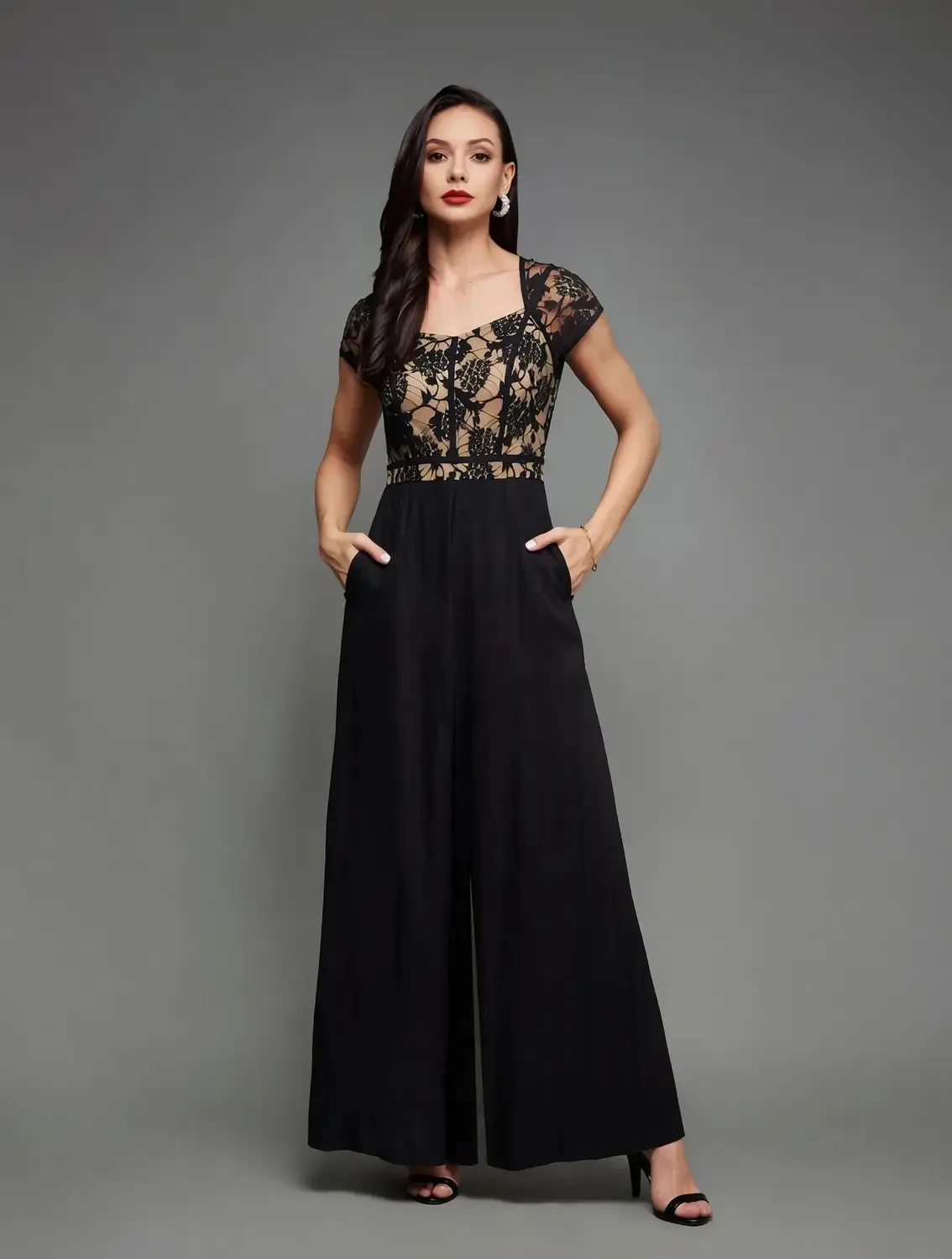
Jumpsuits & Playsuits
Miss Chase
A black lace bodice over a nude lining and wide legs; the look turns into a cocktail outfit.
Starting price
₹1,149
on Flipkart
Complete look = the 4 pieces' current prices added up, without the swaps. Each piece is sold separately by its own store, and prices can change.
Look 4 of 7
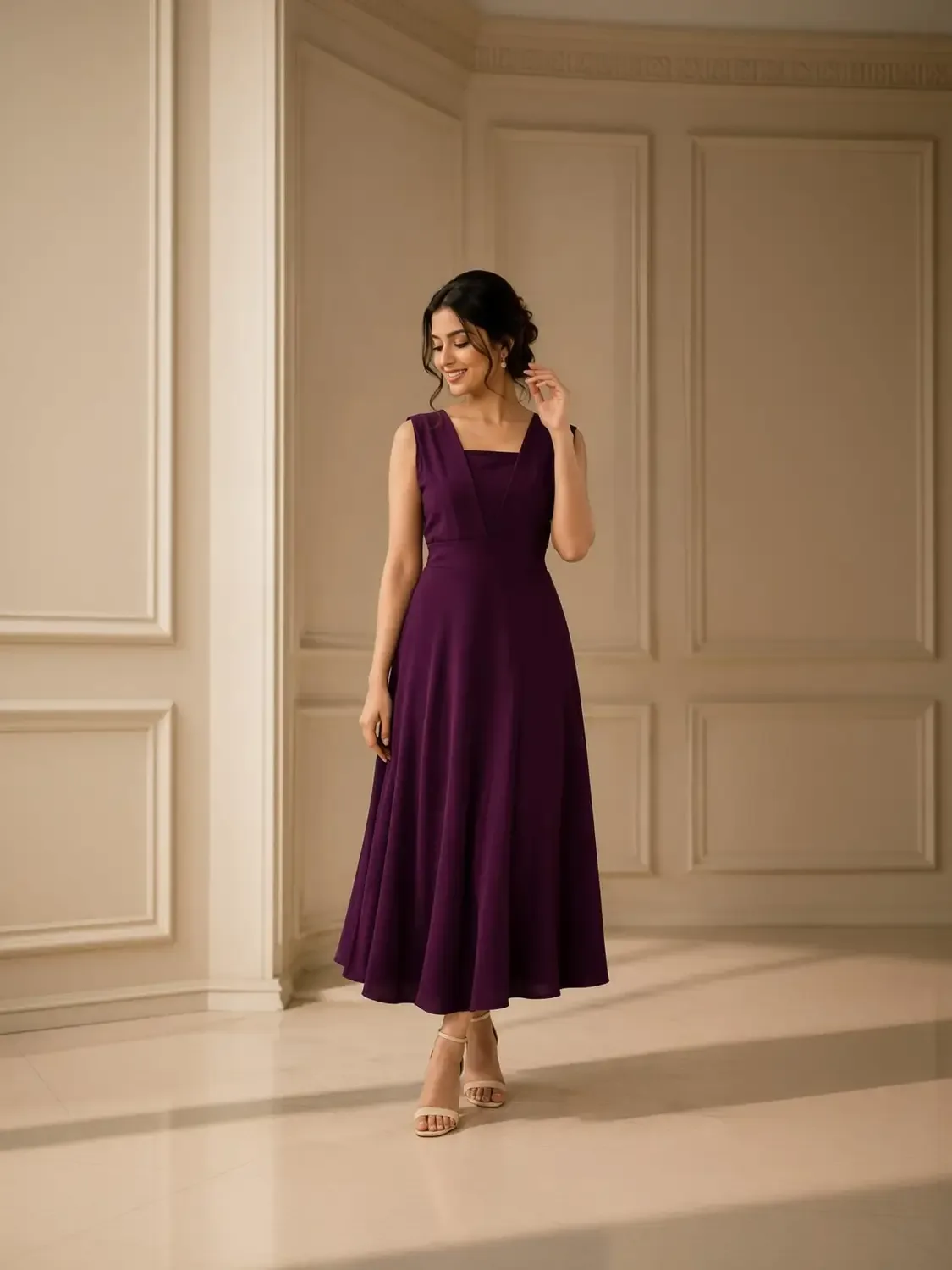
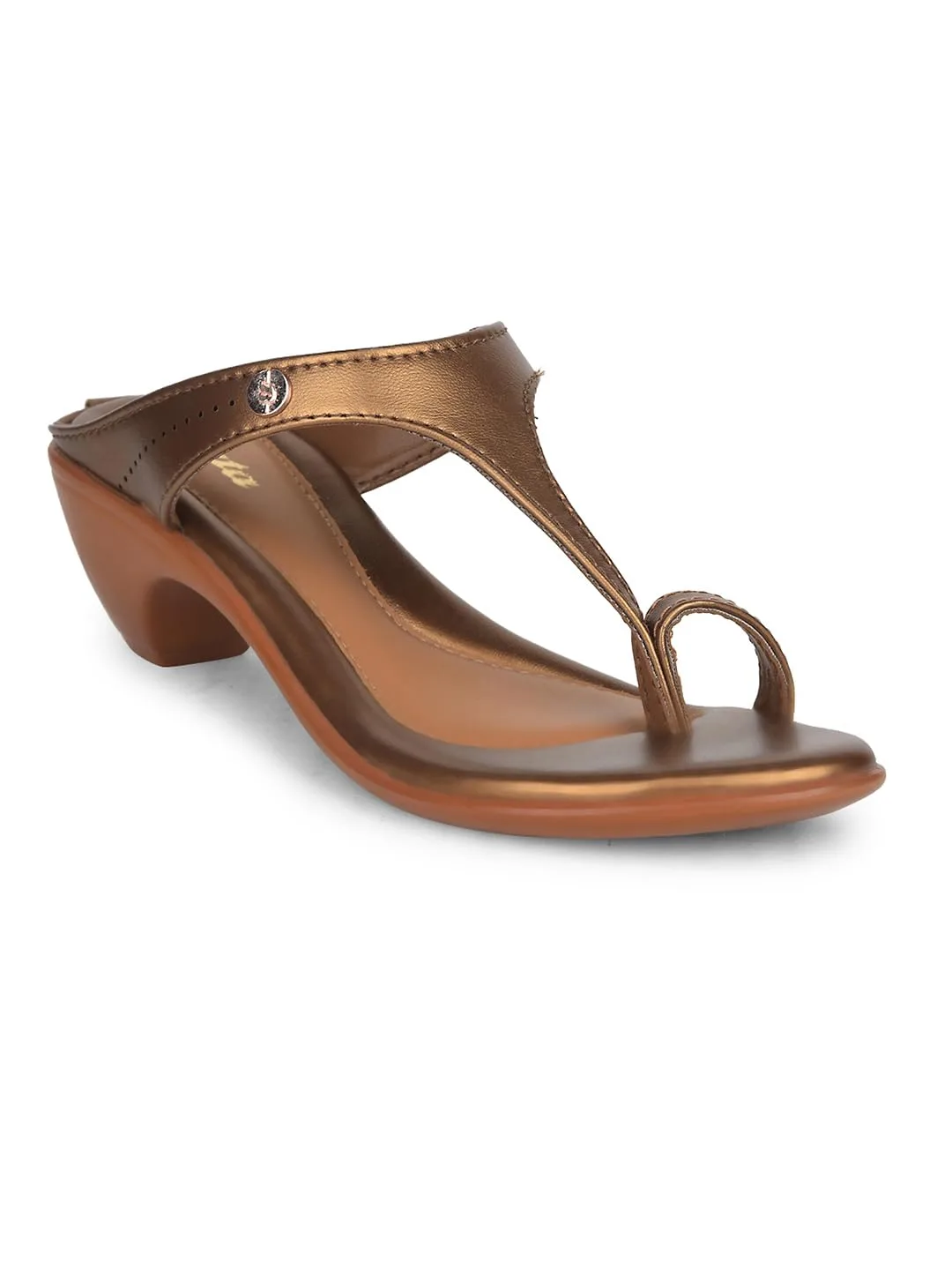
A plum midi with bronze heels is the most covered dress in this edit, which makes it the one for the ceremony. The calf-length flare and square neck look composed in a mandap. The toe-ring heels have an Indian shape, so the dress belongs at the pheras. What to keep in mind: The dress is sleeveless; drape the net dupatta from the sangeet look over your shoulders for the pheras.
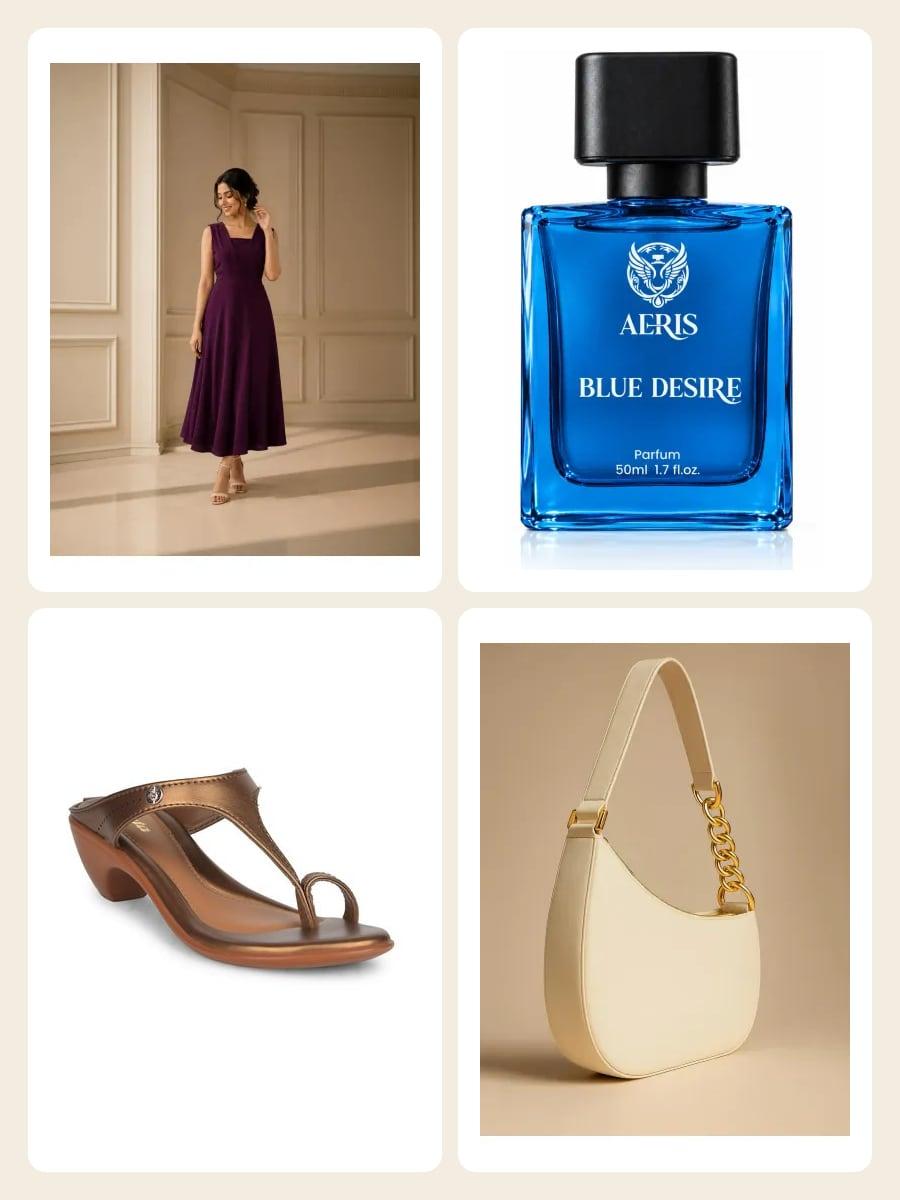
Dresses
Shrastha
Plum sleeveless midi with a square neck and a flared, calf-length skirt; cotton lycra.
Starting price
₹563
on Flipkart
Heels
Bata
Listed as yellow; the photo shows bronze toe-ring sandals on a low curved heel.
Starting price
₹799
on Amazon
Perfumes
Aeris
The same Blue Desire scent as the sangeet look.
Starting price
₹388
on Flipkart
Bags & Backpacks
S.P. Pearls
The cream chain bag from the haldi look; the one light point against plum.
Starting price
₹367
on Flipkart
Dresses
InWeave
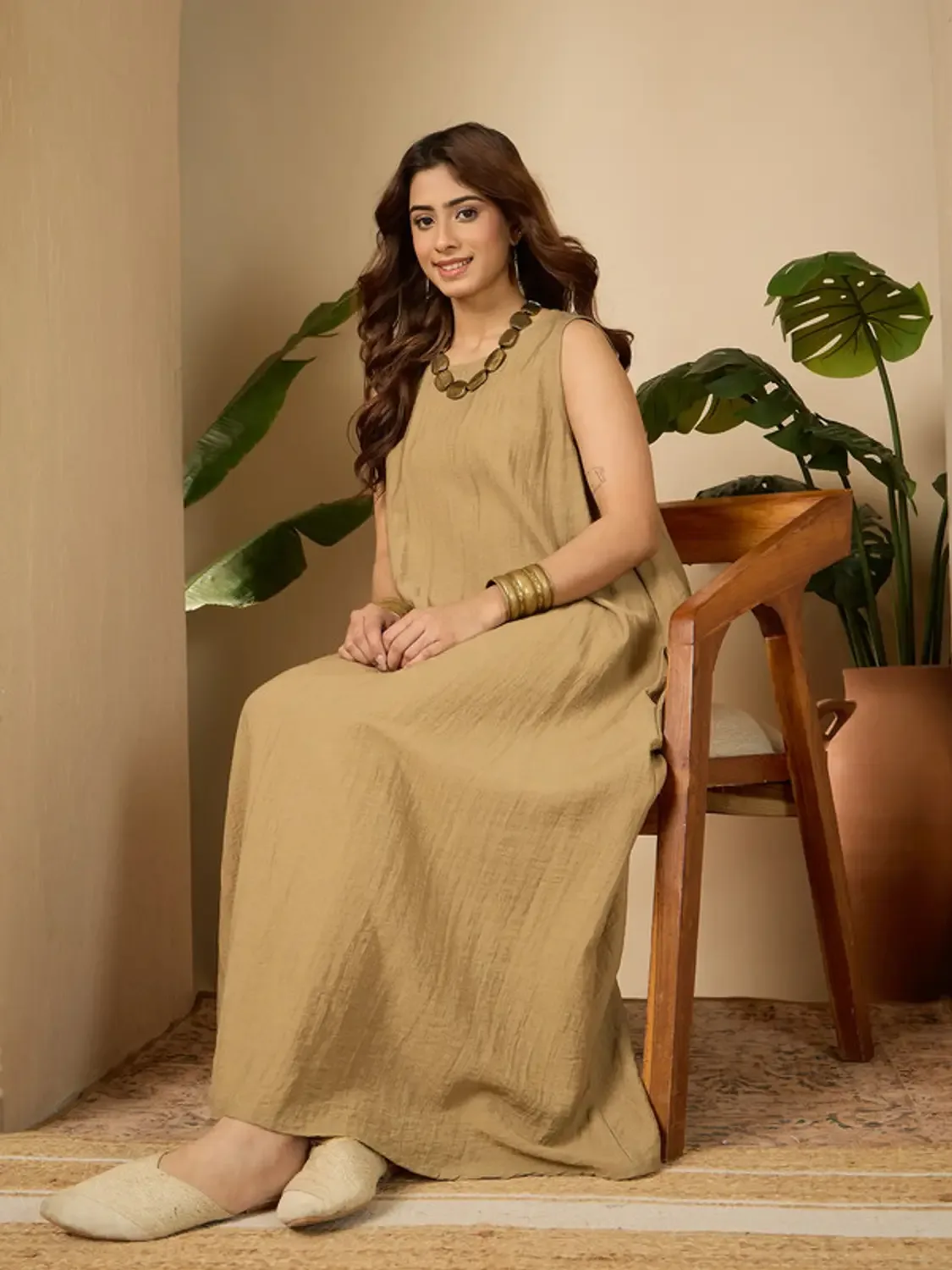
A sand-beige sleeveless crinkle maxi; the look turns pale and quiet, closer to a day ceremony.
Starting price
₹1,299
on Flipkart
Complete look = the 4 pieces' current prices added up, without the swaps. Each piece is sold separately by its own store, and prices can change.
Look 5 of 7
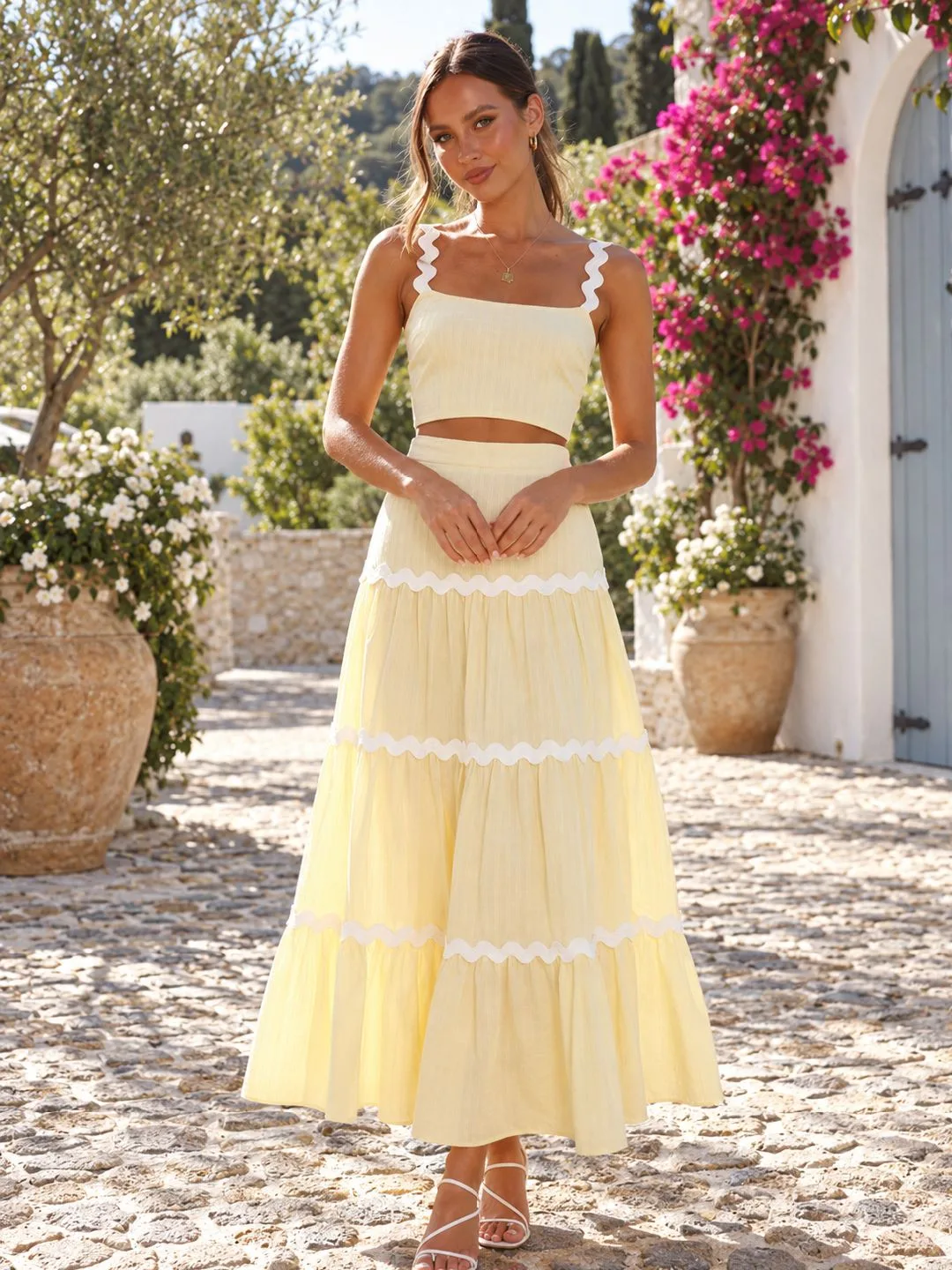
A yellow skirt co-ord set gives a home puja the festive colour, and the long tiered skirt covers the legs for floor seating. The top is a strappy crop, so the Fabindia dupatta is part of the outfit. At home nobody carries a bag, so the dupatta replaces it. What to keep in mind: The top is a strappy crop; in a traditional home, keep the dupatta draped over both shoulders.
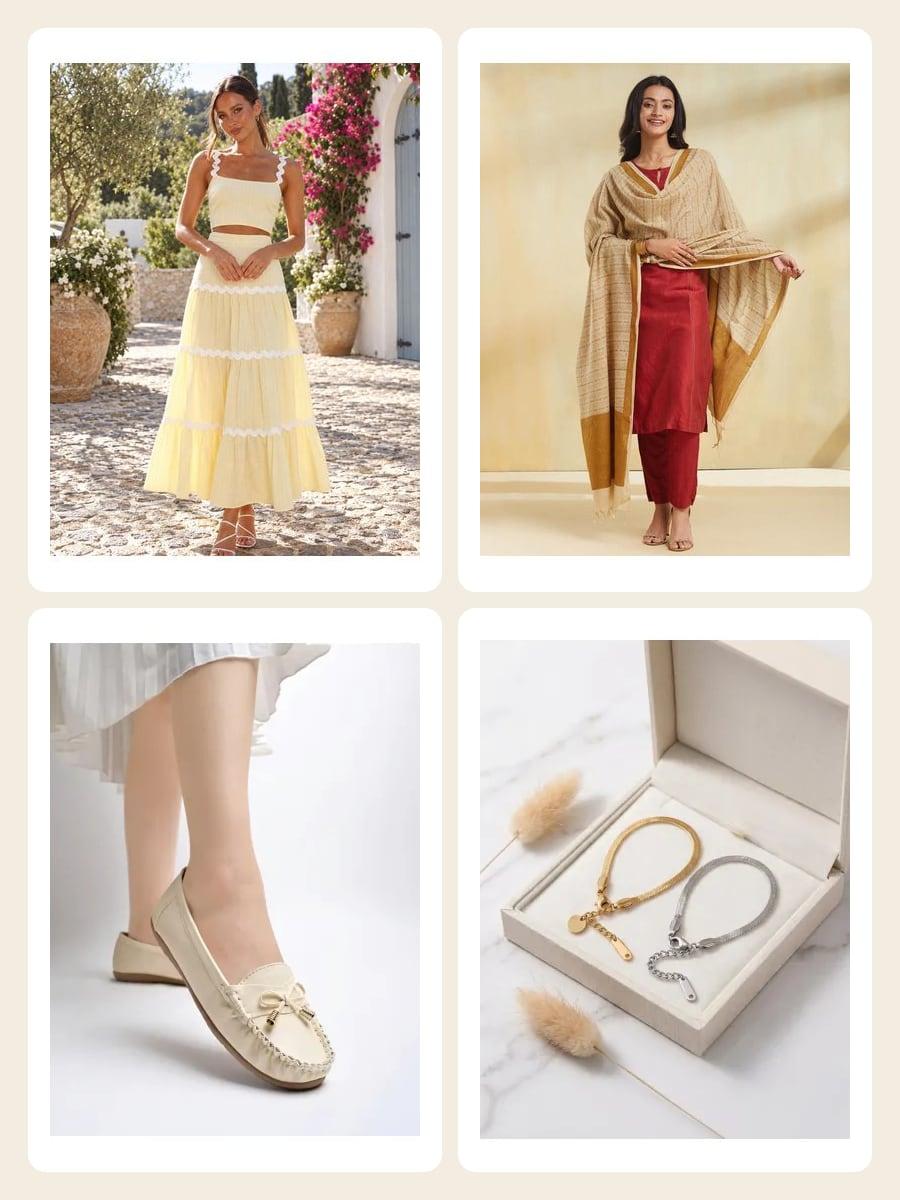
Co-ord Sets
StyleCast
Butter-yellow pure cotton: a strappy crop top and a tiered maxi skirt edged in white ric-rac.
Starting price
₹1,503
on Myntra
Flats & Ballerinas
Shoetopia
Cream moccasin flats with a bow; easy to leave at the door of the puja room.
Starting price
₹488
on Flipkart
Scarves, Stoles & Dupattas
Fabindia
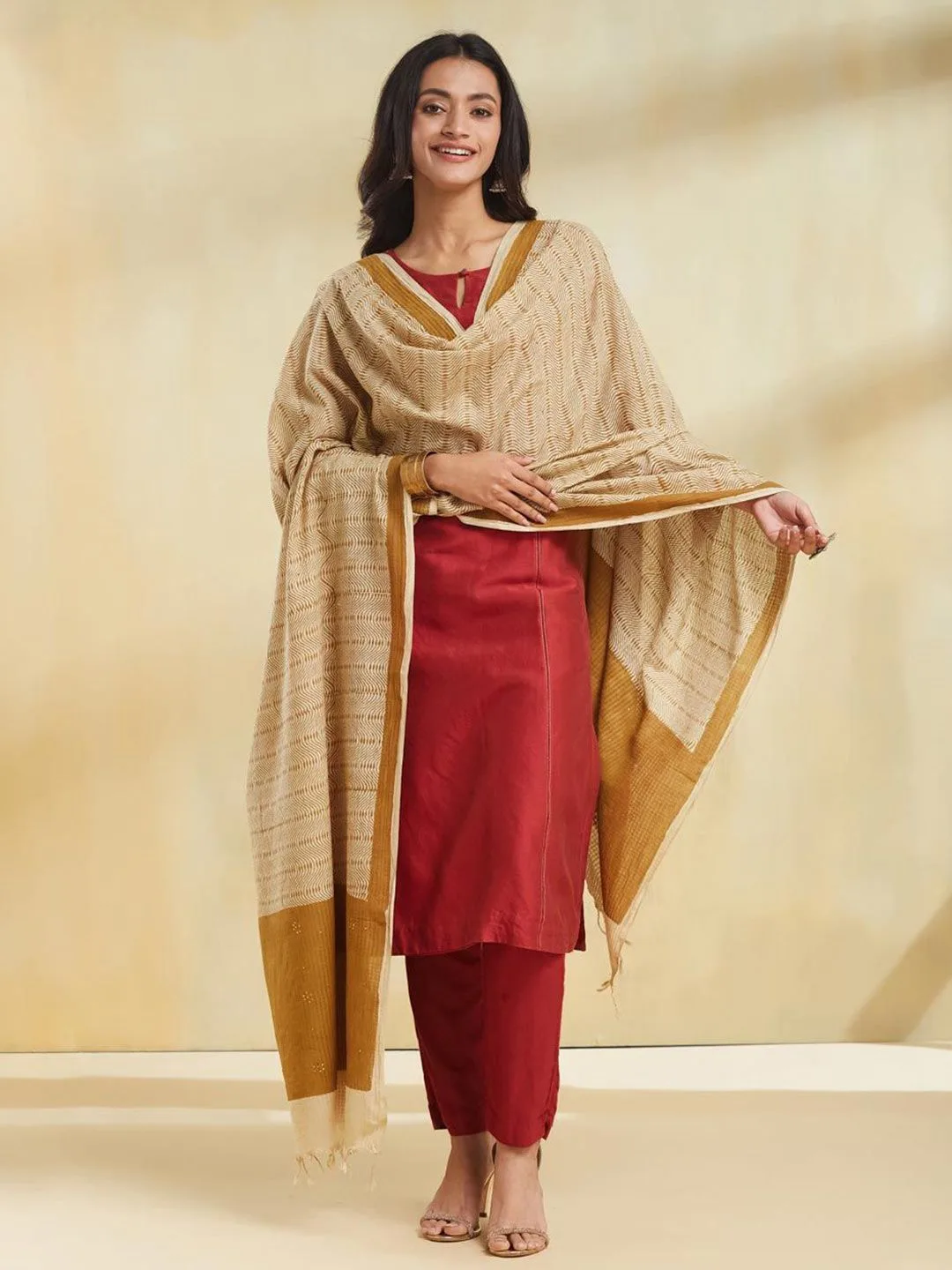
Beige woven cotton with a mustard border; it covers the shoulders and midriff.
Starting price
₹1,049
on Myntra
Fashion Jewellery
Kazare
The gold and silver snake-chain pair from the mehendi look.
Starting price
₹196
on Flipkart
Co-ord Sets
Trendyol
A dark brown wrap top with a gold buckle and wide trousers; no bare midriff, but polyester runs warm.
Starting price
₹2,034
on Myntra
Complete look = the 4 pieces' current prices added up, without the swaps. Each piece is sold separately by its own store, and prices can change.
Look 6 of 7
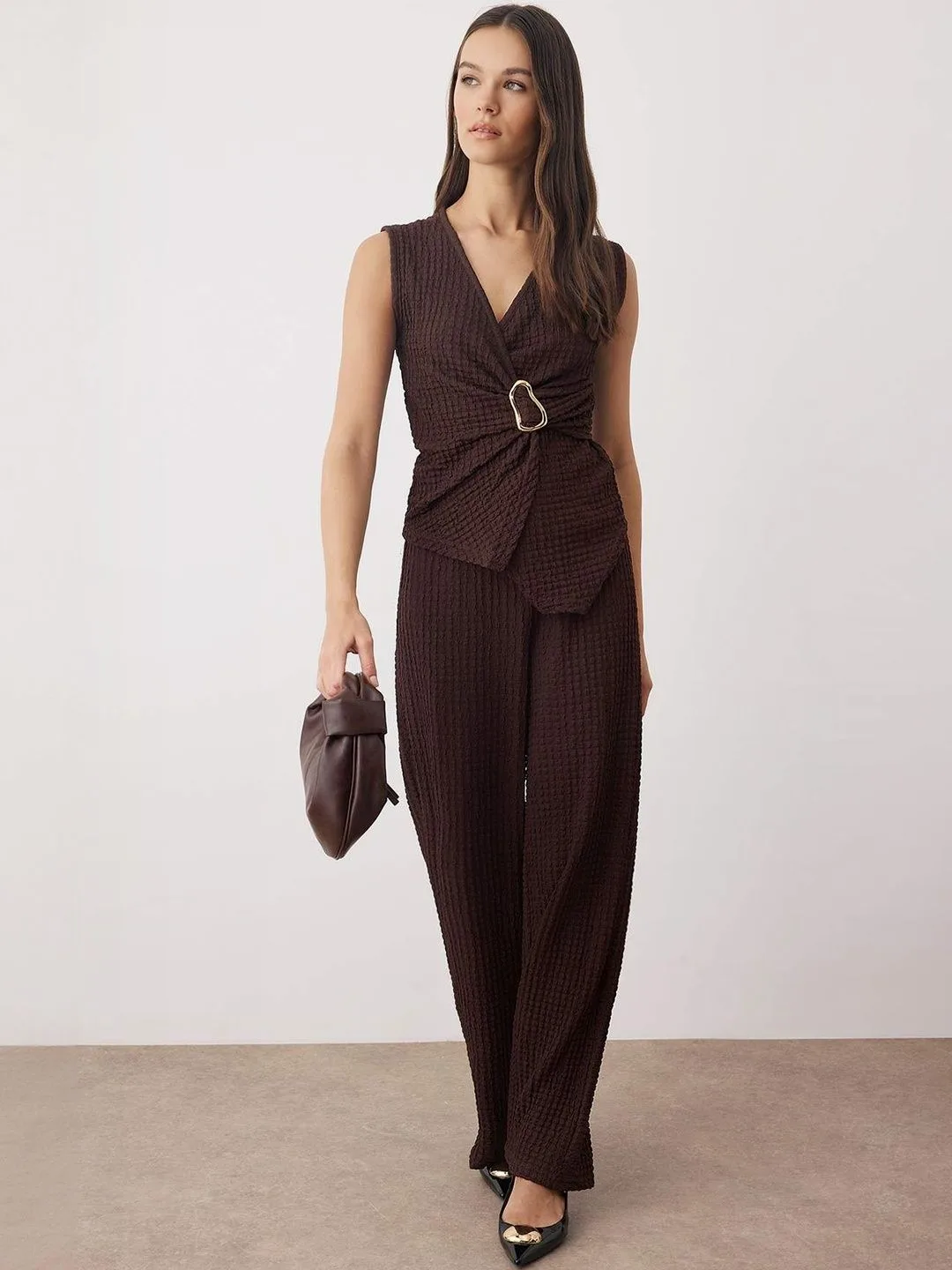
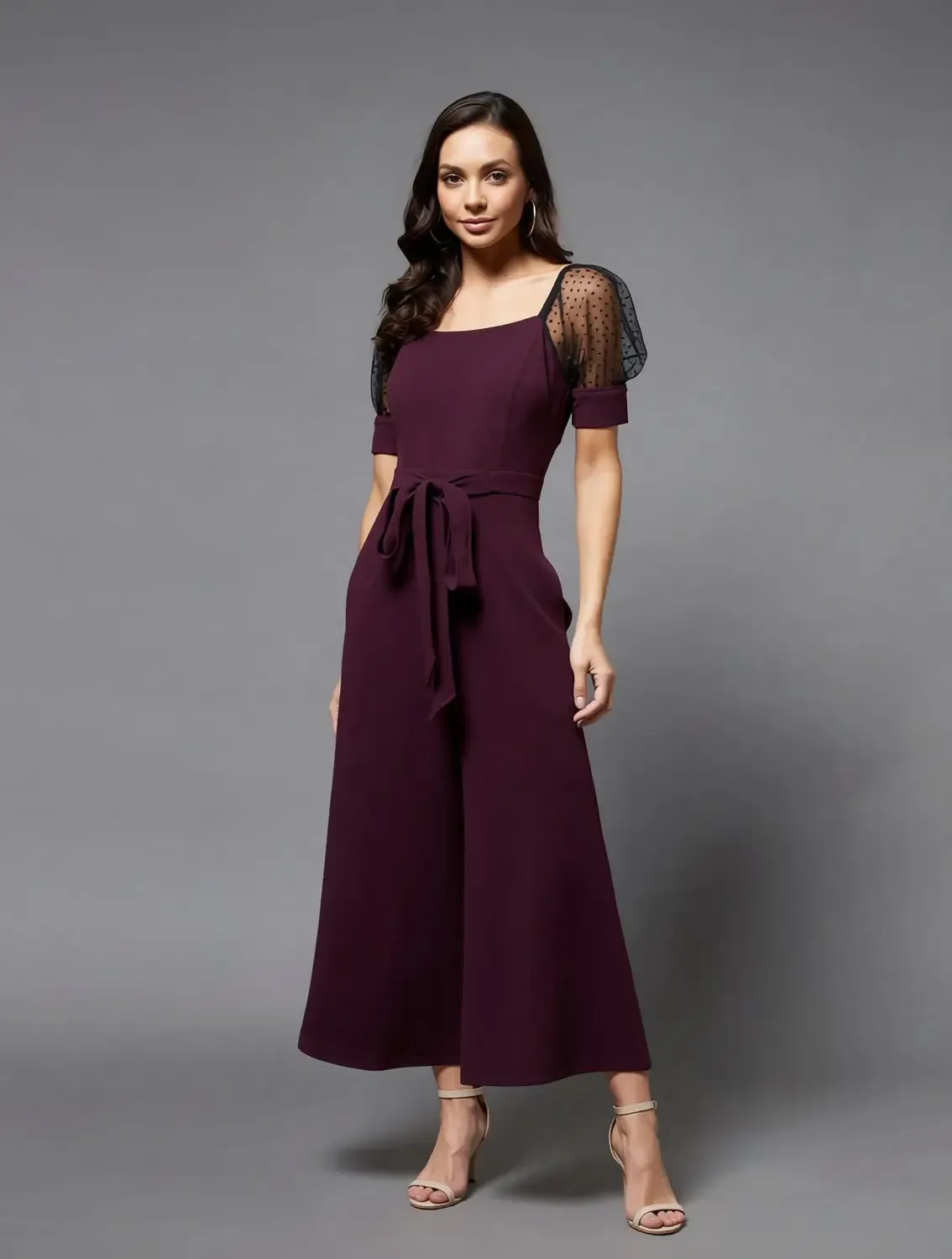
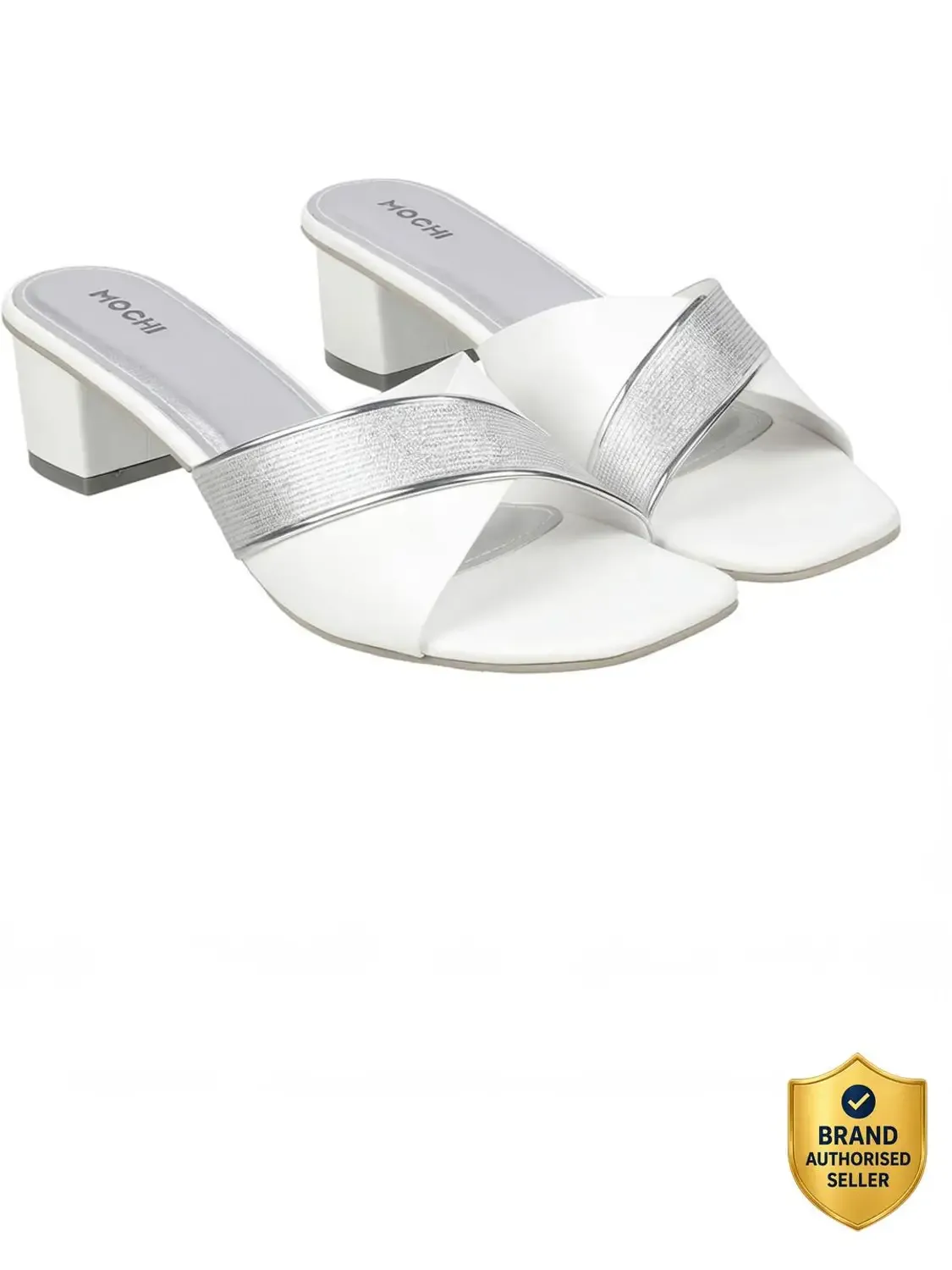
A plum wide leg jumpsuit is the most evening look in this edit: deep colour, sheer polka-dot sleeves and a tie belt. White block-heel slides with a silver strap give it height. The net dupatta over one arm makes it a reception outfit, not a party one. What to keep in mind: The jumpsuit is polyester, warm in humid weather; keep it for an air-conditioned hall or a winter reception.
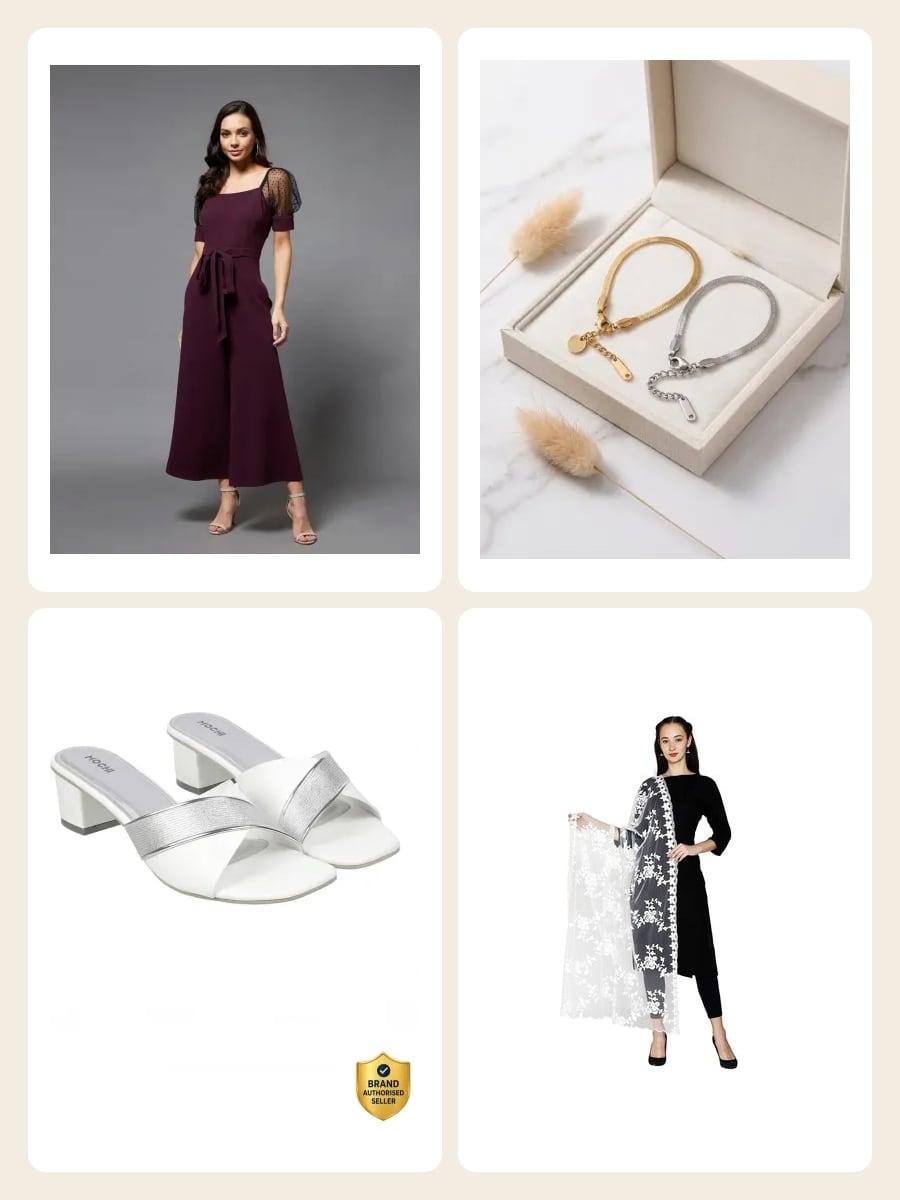
Jumpsuits & Playsuits
Miss Chase
Plum wide-leg jumpsuit with a square neck, sheer black polka-dot puff sleeves and a tie belt.
Starting price
₹799
on Flipkart
Heels
Mochi
White slides on a block heel with a silver textured cross strap.
Starting price
₹1,194
on Flipkart
Fashion Jewellery
Kazare
The gold and silver snake chains; the silver picks up the shoe strap.
Starting price
₹196
on Flipkart
Scarves, Stoles & Dupattas
Hari Madhav Design
White embroidered net, worn over one arm for photographs.
Starting price
₹411
on Amazon
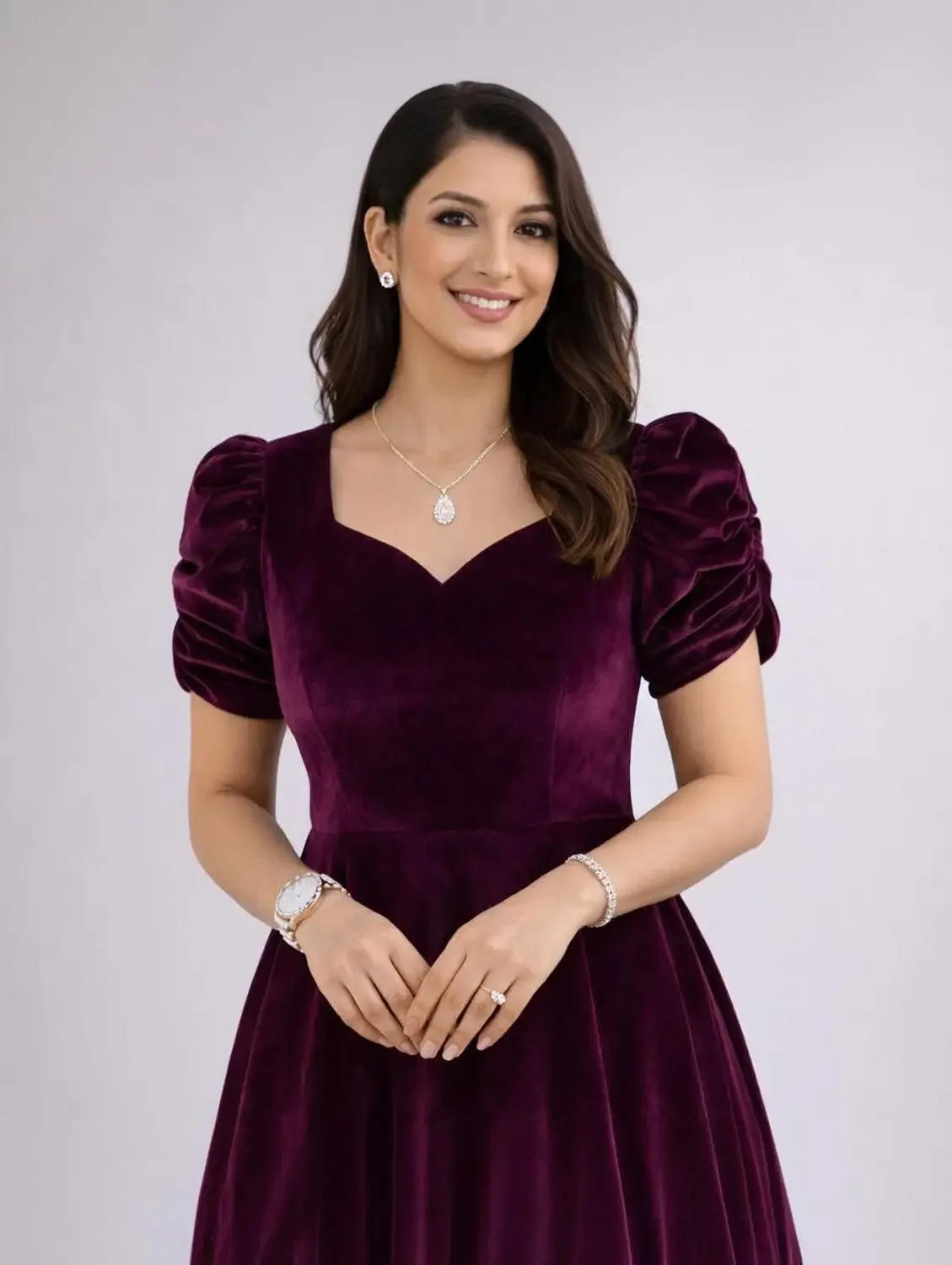
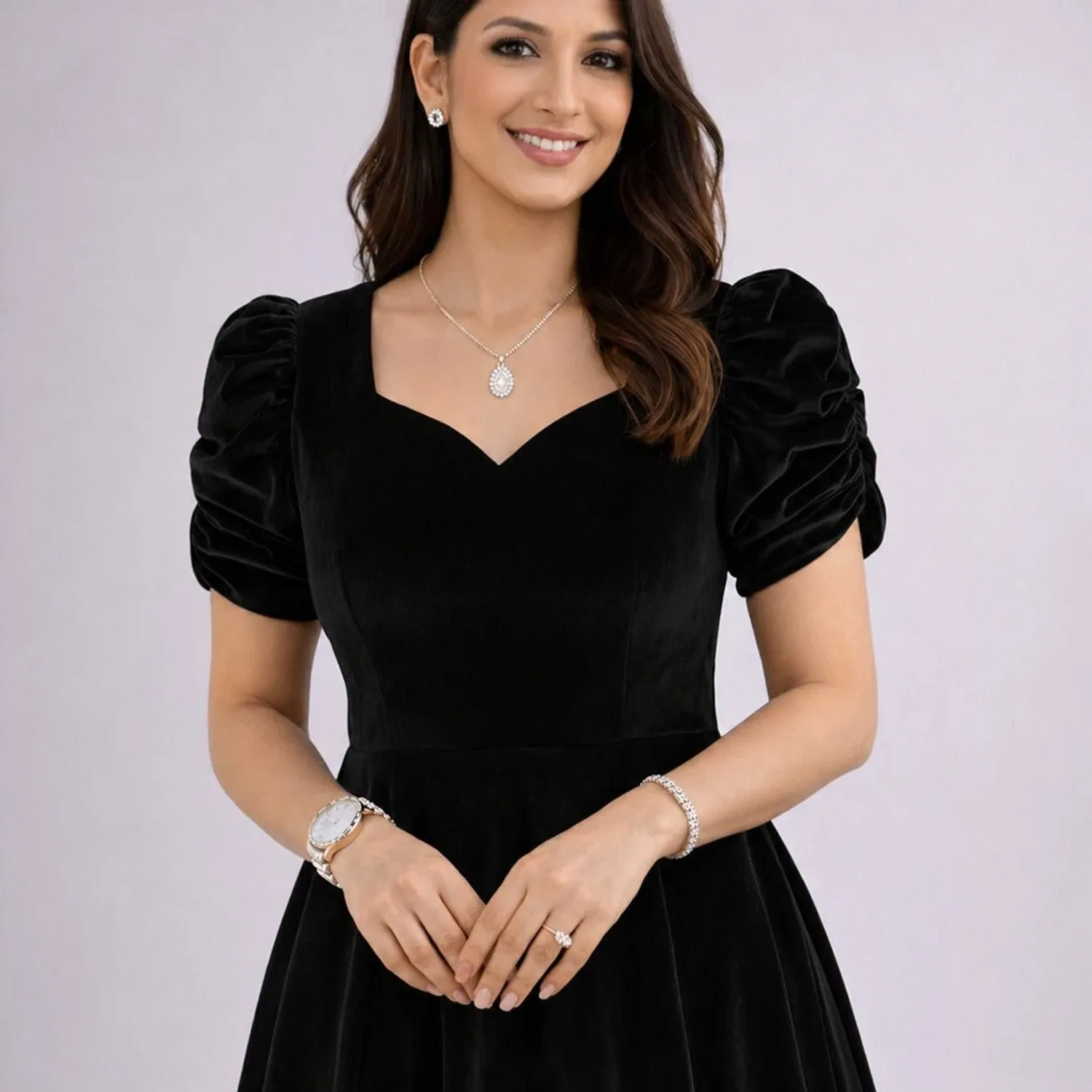
Dresses
Freyal Enterprise
A plum velvet dress with puff sleeves and a sweetheart neck; the same colour in a winter fabric.
Starting price
₹595
on Flipkart
Complete look = the 4 pieces' current prices added up, without the swaps. Each piece is sold separately by its own store, and prices can change.
Look 7 of 7
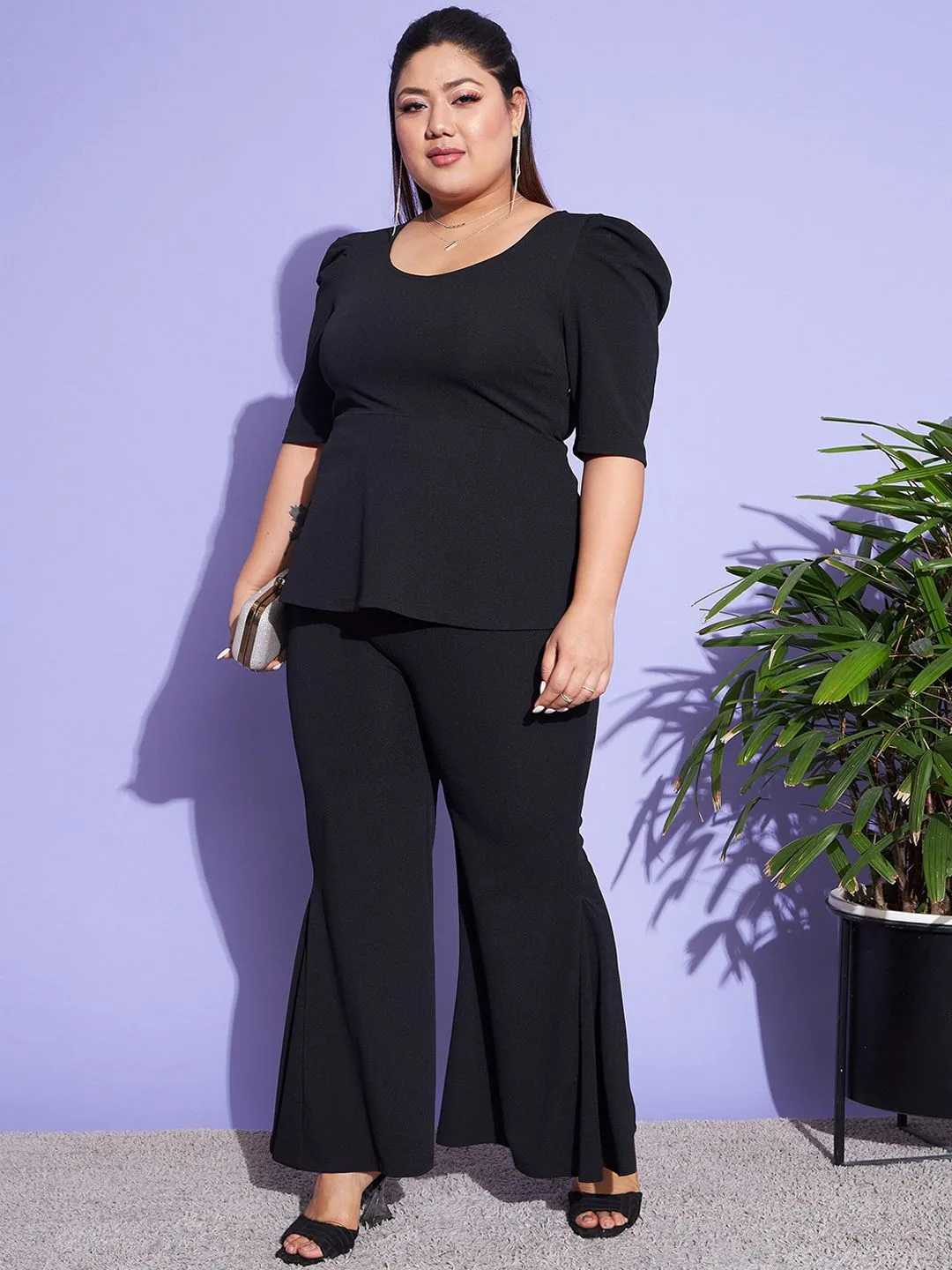
A black peplum co-ord set is the comfortable option for a close family wedding, where you are on your feet from noon to midnight. Puff sleeves and flared trousers cover more than any dress here. The white net dupatta and flat white shoes keep the black from looking stern. What to keep in mind: Some families see black as unlucky at weddings; if yours does, wear the plum jumpsuit instead.
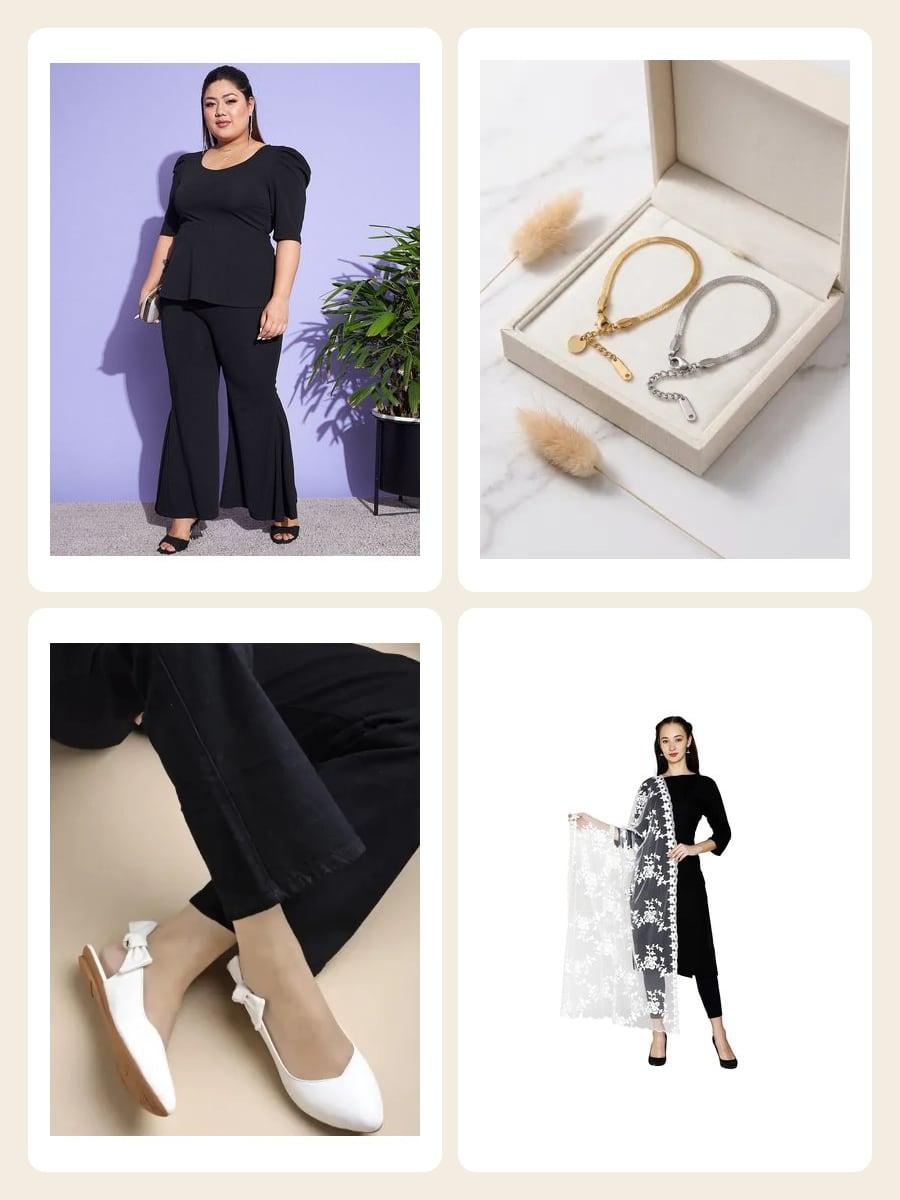
Co-ord Sets
SASSAFRAS Curve
A black puff-sleeve peplum top with flared trousers, from a plus-size line.
Starting price
₹1,799
on Myntra
Flats & Ballerinas
Shoetopia
The white bow slingback flats from the mehendi look, for a long day of hosting.
Starting price
₹378
on Flipkart
Fashion Jewellery
Kazare
The gold and silver snake chains, the fourth look they finish.
Starting price
₹196
on Flipkart
Scarves, Stoles & Dupattas
Hari Madhav Design
White embroidered net that softens the black.
Starting price
₹411
on Amazon
Scarves, Stoles & Dupattas
Fabindia
Beige woven cotton with a mustard border; warmer and more traditional than white net.
Starting price
₹1,049
on Myntra
Complete look = the 4 pieces' current prices added up, without the swaps. Each piece is sold separately by its own store, and prices can change.
Indian weddings run from November to February and again in April and May. The fabric question is different in each.
The AAYU yellow maxi is a cotton blend and the StyleCast co-ord is pure cotton. Both breathe on a hot lawn and wash at home after turmeric or henna. The Shrastha plum midi is cotton with lycra, which gives a little stretch for sitting through a long ceremony.
The pink AAYU chiffon maxi swings when you dance, which is the point at a sangeet. The Mithi red maxi is viscose rayon: soft and cool, though its listing says dry clean only.
The Miss Chase jumpsuit and the SASSAFRAS co-ord are polyester. They hold a sharp line and resist creasing, but they run warm in humid weather. Wear them to an indoor reception, not a May afternoon.
Flats or low heels for almost every Indian function. You will stand in queues, sit on floor cushions and dance on uneven floors.
Romantic dresses need few accessories, because the dress already has a soft detail.
The Kazare set is two thin snake-chain bracelets, one gold and one silver. Wear both together and they work with any metal on your shoes or bag. They appear in four looks.
The Hari Madhav white net dupatta has floral embroidery and a scalloped edge. Drape it over the shoulders for the pheras, over one arm at a reception. It turns a western outfit into an Indian-function outfit with one piece and appears in three looks. The Fabindia beige cotton dupatta, with a mustard border, does the same in daylight.
The S.P. Pearls cream shoulder bag with a gold chain carries two day looks. The Aeris Blue Desire perfume is for the long evenings: one spray before the sangeet still matters at the dinner queue.
We read the pages that rank on Google India for wedding guest dresses before writing this guide. Four gaps stand out.
The best dresses for women for wedding functions are the ones matched to the event: cotton for the haldi, flow for the sangeet, coverage for the pheras, depth for the reception. Buy one pair of mules, one net dupatta and one set of bracelets, and change only the dress. For a premium, tailored take on the same week, see wedding guest outfit for women. For fusion pieces that suit the pheras too, see indo western dresses for wedding, and for softer everyday pieces, korean outfits for women.
FundaTrendKa styles and links to clothing, footwear and accessories sold by other retailers; we don't sell, stock or ship them. Each product is bought on its own from its store, and prices are the retailer's reference prices, which may change. We may earn a commission when you buy through these links, at no extra cost to you.